
Humidity in Your Mask? It Could Be Helpful
Humidity in masks may reduce severity of COVID-19, study finds
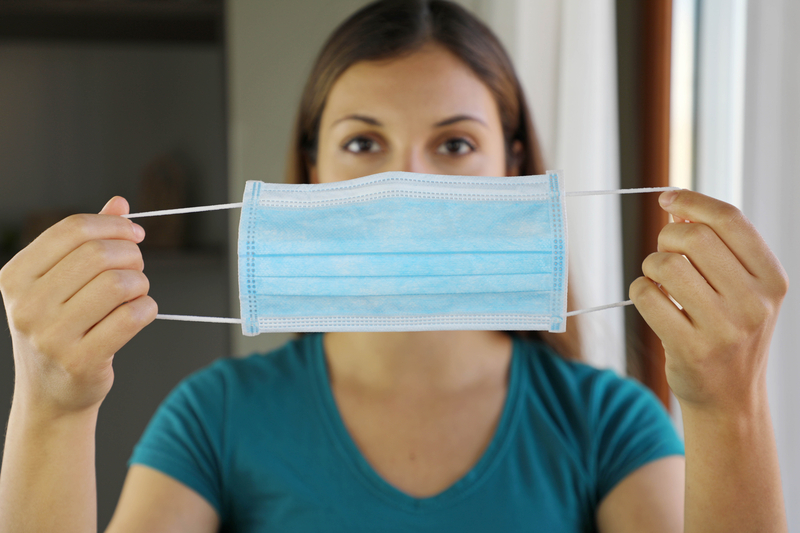
Face masks protect us from getting COVID-19. But could they also make COVID-19 less severe in those who do contract the virus?
A new study suggests that the answer could be yes. The researchers behind this study found that the humidity created by breathing while wearing a mask may help to reduce the severity of COVID-19.
How? By hydrating the respiratory tract. The immune system benefits from hydration of the respiratory tract, according to the National Institutes of Health (NIH).
And a stronger immune system is better equipped to fight viruses like COVID-19.
"High levels of humidity have been shown to mitigate severity of the flu, and it may be applicable to severity of COVID-19 through a similar mechanism,” said lead study author Dr. Adriaan Bax in a press release.
More specifically, adding humidity to the respiratory tract may boost mucociliary clearance (MCC), the study authors said. MCC is a process through which mucus and viruses or other particles inside the mucus are removed from the lungs. Through that process, the COVID-19 virus could be swept away.
For this research, the authors looked at N95 masks, three-ply disposable surgical masks, two-ply cotton-polyester masks and heavy cotton masks. A volunteer wore each type of mask and breathed into a sealed box. Researchers compared the humidity buildup inside the box when the person wore no mask to when the person wore each type of mask.
All four mask types appeared to increase the humidity of the air the study subject inhaled.
This research did not examine which type of mask was most effective at reducing the severity of COVID-19 infection. The study authors said people should defer to mask guidance from the Centers for Disease Control and Prevention (CDC).
“This research supports the importance of mask-wearing as a simple, yet effective, way to protect the people around us and to protect ourselves from respiratory infection, especially during these winter months when susceptibility to these viruses increases,” said Dr. Griffin P. Rodgers, director of the National Institute of Diabetes and Digestive and Kidney Diseases, in a press release.
Talk to your health care provider about how you can protect yourself from COVID-19.
This study was published in the Biophysical Journal.
Divisions of the NIH funded this research. The study authors disclosed no potential conflicts of interest.
All information on this site is provided “as-is” for informational purposes only and is not a substitute for medical advice or treatment. You should consult with a medical professional if you have any questions about your health.
More health news
 Features
Fires Flare Up Asthma and COPD Attacks
Summer heat leaves respiratory patients feeling the heat
 Health News
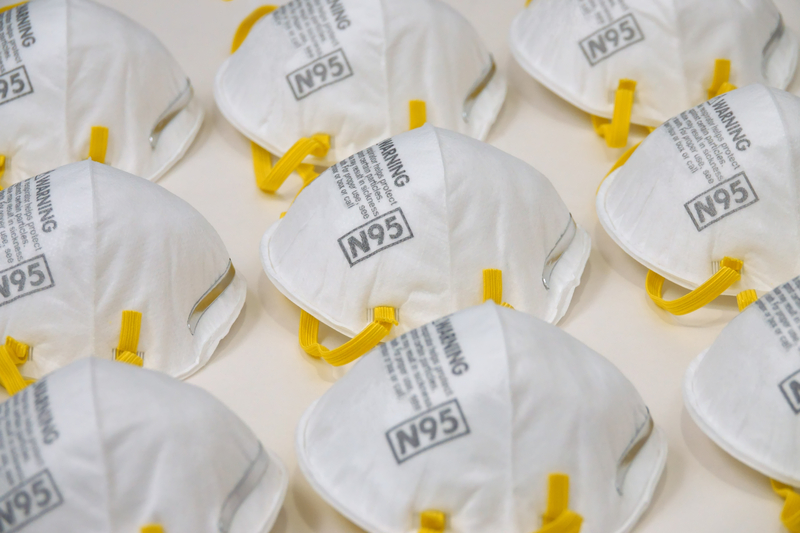
Free N95 Masks Coming to Local Pharmacies
Federal government sends free N95 masks to pharmacies and health centers
 Health News
Health Officials: COVID-19 Not Spread Through Food
COVID-19 does not appear to spread through food or food packaging