
Spicing Up Heart Health
Hot peppers offer heart protection
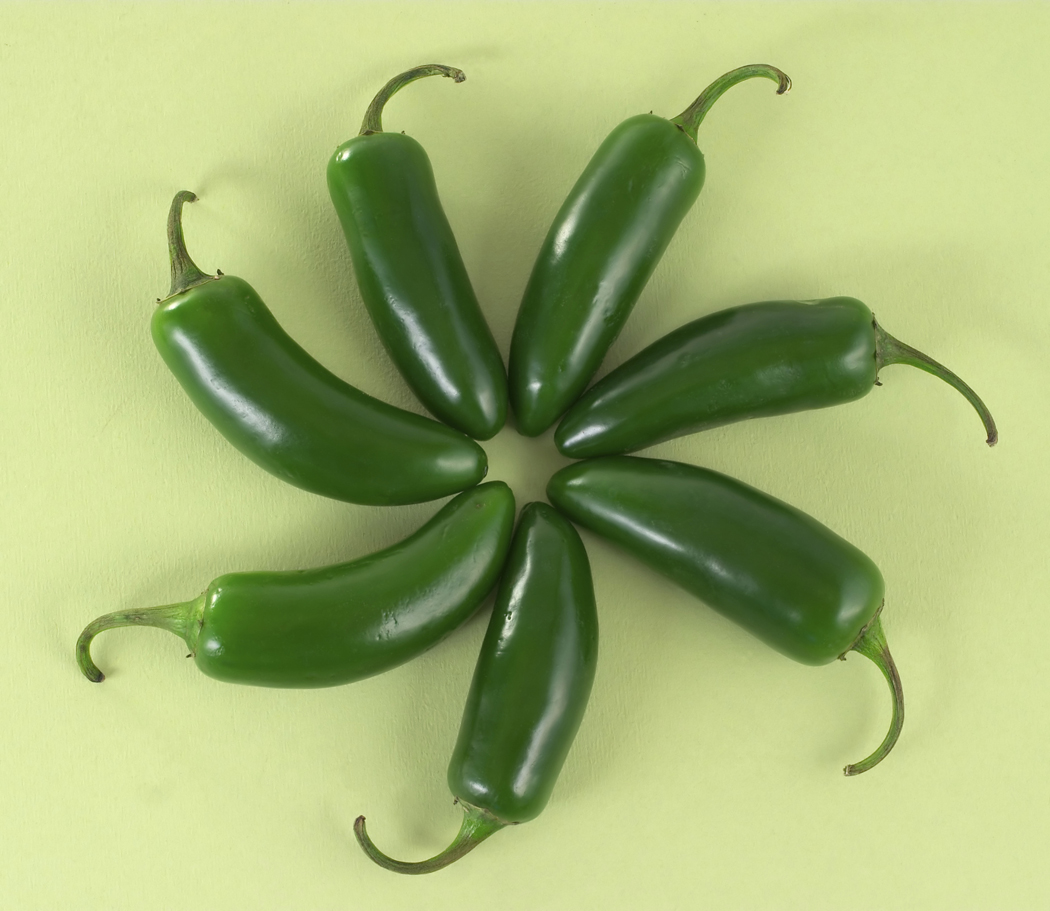
Spicing up lunch with the addition of fiery peppers may do the heart favors. Capsaicin, a substance that adds the heat to a variety of peppers, including jalapenos and habaneros, has been found to improve heart and blood vessel health.
Capsaicin naturally lowers cholesterol and improves blood flow, reducing the possibility of developing a potentially fatal blood clot.
Try adding fresh jalapenos to pasta dishes or an omelet.
Zhen-Yu Chen, a professor of food and nutritional science at Chinese University of Hong Kong, said the discovery reinforced and expanded knowledge about substances within chilies that improve heart health. He said the research was among the first to connect the capsaicin in spicy peppers with cardiovascular protection.
During the study investigators utilized hamsters since the research could not be conducted in humans. Two groups of hamsters were fed high cholesterol diets, and each group received supplements that contained no capsaicinoids, or various amounts of capsaicinoids.
Following an analysis they found that the capsaicinoids reduced both total cholesterol, as well as levels of bad LDL cholesterol, which build up in blood vessels. They also noticed that the substance reduced the size of accumulated deposits that had previously formed in blood vessels. These artery-narrowing plaque deposits can lead to a heart attack or stroke.
Capsaicinoids also blocked the activity of a gene that produces cyclooxygenase-2, a substance that makes the muscles around blood vessels constrict, they found. By blocking this gene activity, muscles can relax and widen, improving blood flow.
“We concluded that capsaicinoids were beneficial in improving a range of factors related to heart and blood vessel health,” Chen said. “But we certainly do not recommend that people start consuming chilies to an excess. A good diet is a matter of balance. And remember, chilies are no substitute for the prescription medications proven to be beneficial. They may be a nice supplement, however, for people who find the hot flavor pleasant.”
The research, which is considered preliminary until it is published, was presented March 27 at the National Meeting and Exposition of the American Chemical Society.
All information on this site is provided “as-is” for informational purposes only and is not a substitute for medical advice or treatment. You should consult with a medical professional if you have any questions about your health.
More health news
 Health News
Chili Pepper Component Linked to Skin Cancer
Study reveals capsaicin can act as cocarcinogen
 Natural
Marijuana’s Role in Pain Management
Marijuana did not appear to lessen the pain but rather reduce caring about the pain
 Mental Health
Secondhand Smoke Puts Kids at Risk
Smoke exposure weakens cough reflex in children