
Salt, Kidney Disease and Heart Problems
High salt intake in patients with kidney disease may mean heart trouble
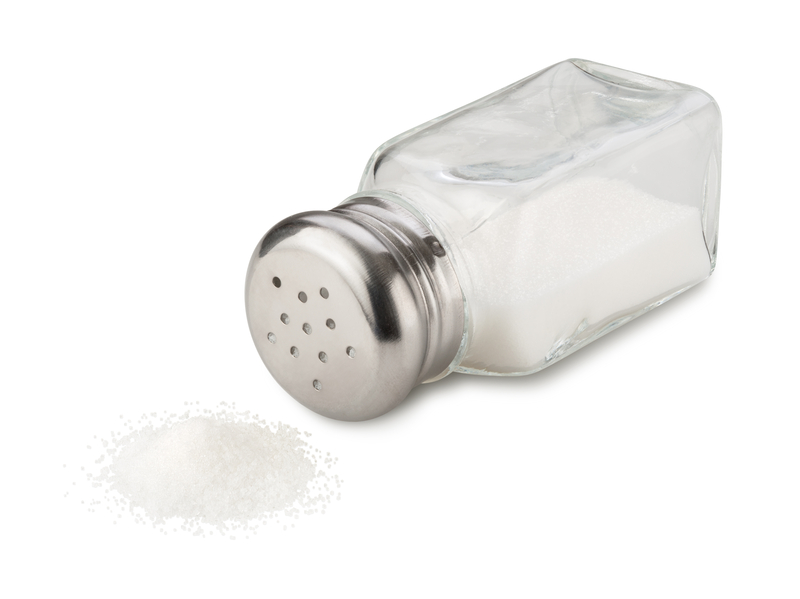
For patients with kidney disease, too much salt could raise heart disease risk, a new study found.
This study, conducted by Tulane University researchers, looked at 3,757 patients with kidney disease during a median of just under seven years. Those who excreted the most sodium in their urine appeared to have a raised risk for heart disease, including problems like heart failure, stroke and coronary heart disease.
Past research has tied kidney disease to a raised risk of heart disease, and higher salt intake is tied to raised blood pressure, which is a coronary heart disease risk factor, these researchers noted.
The researchers noted that, if more research confirms their findings, kidney disease patients' heart health may benefit from a reduction in sodium intake.
Talk to your doctor before making any big changes to your diet.
This study was published recently in JAMA.
The National Institute of Diabetes and Digestive and Kidney Diseases, Johns Hopkins University, the Clinical and Translational Science Collaborative of Cleveland and others funded this research. Researchers disclosed potential conflicts of interest involving pharmaceutical companies and medical device makers.
All information on this site is provided “as-is” for informational purposes only and is not a substitute for medical advice or treatment. You should consult with a medical professional if you have any questions about your health.
More health news
 Health News
Please Pass the Salt, My Heart'll Be Okay
Lowering salt intake may not reduce risk of high blood pressure or cardiovascular death
 Natural
Too Little Salt May Increase Heart Risk
Sodium levels linked to congestive heart failure and cardiovascular death
 Natural
Does Salt Damage Blood Vessels?
Salt in arteries increases hypertension risk