
How Treating Sleep Apnea Could Help Your Heart
Heart failure patients had fewer hospital readmissions after sleep apnea treatment
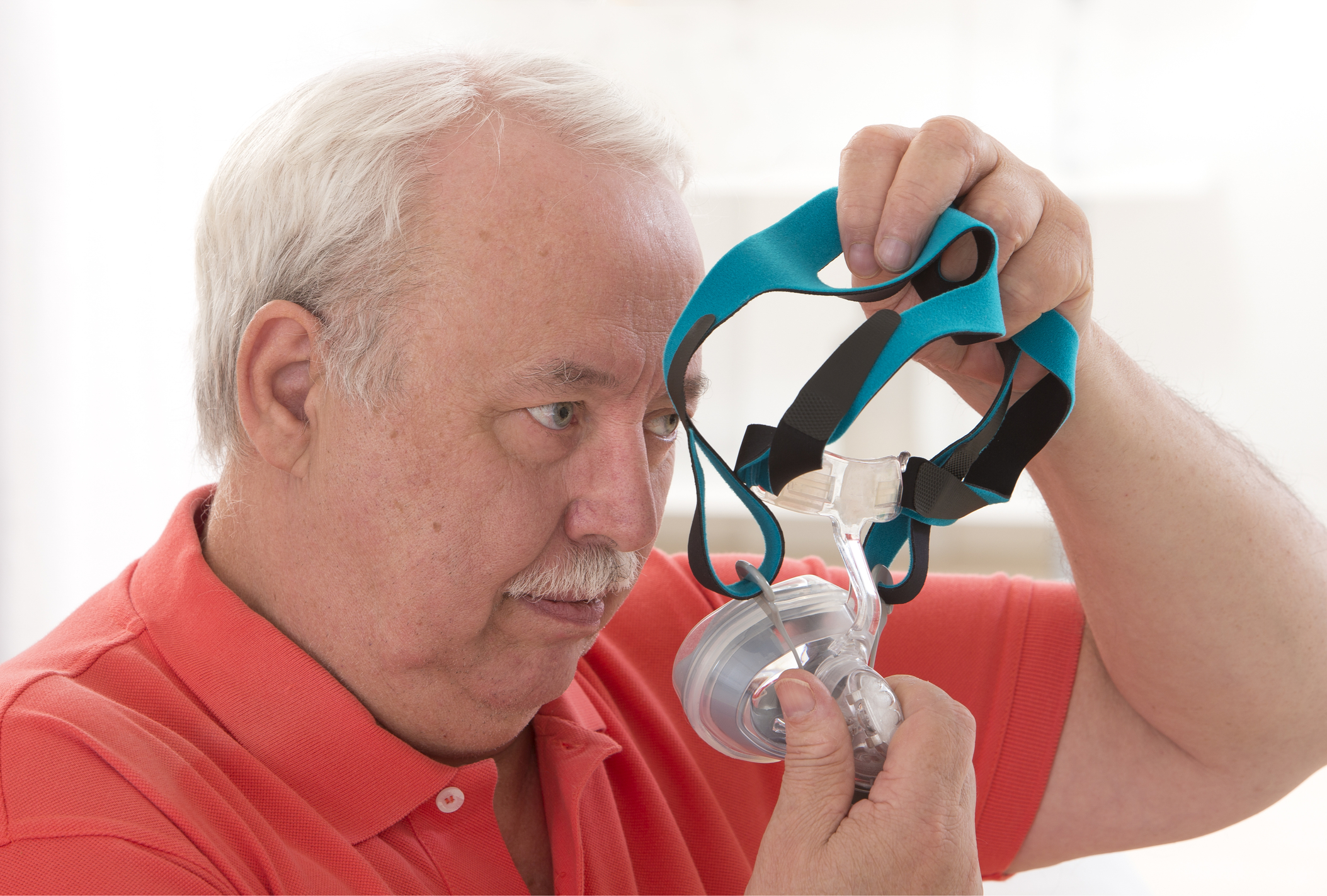
For patients with heart failure, sleep apnea can be a real problem. But that might be about to change.
In a new study, researchers from Thomas Jefferson University (TJU) found that early sleep apnea diagnosis and treatment lowered hospital re-admissions among patients with heart failure.
Sleep apnea is a chronic condition that occurs when breathing repeatedly stops and starts during sleep. Patients with sleep apnea often snore loudly, gasp or wake throughout the night. In some cases, the airways collapse and block airflow.
Sleep apnea has been linked to an increased risk of high blood pressure, heart disease and stroke.
Lead study author Sunil Sharma, MD, said in a press release, "Our research showed that early recognition and treatment of patients hospitalized with [heart failure] is associated with a reduction in readmissions, for patients who use their positive airway pressure (PAP) therapy on a regular basis. Importantly, hospitals can implement cost-effective screening programs to catch sleep apnea in hospitalized, high risk patients."
Dr. Sharma is associate professor of pulmonary medicine at TJU.
For this study, Dr. Sharma and team screened patients admitted to the hospital with heart failure for disordered sleep breathing, a sign of sleep apnea.
Of those patients, 75 completed an outpatient polysomnography test, which is the gold standard in sleep apnea diagnosis. Seventy of the 75 patients were diagnosed with sleep apnea.
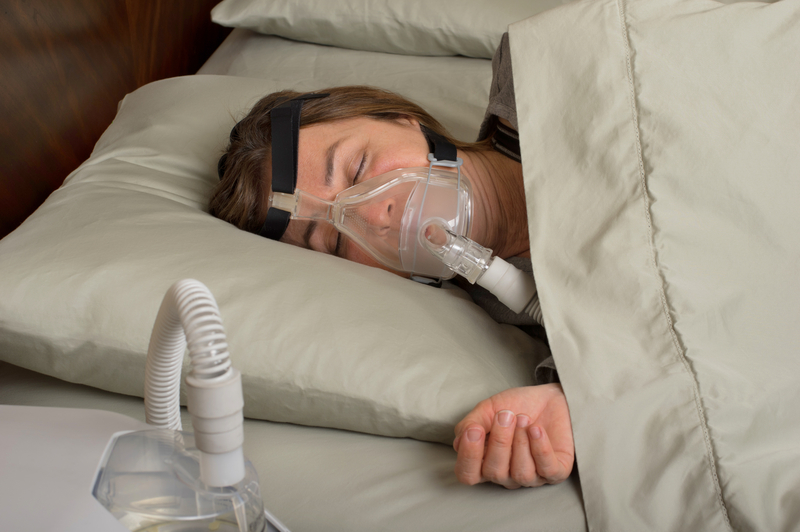
All patients with confirmed sleep apnea were fitted with a positive airway pressure (PAP) machine. A PAP machine gently forces air into the lungs to keep the airways open.
After six months, the patients who used their PAP regularly had fewer hospital re-admissions than those who didn't.
"Physicians should be on the lookout for sleep apnea in patients with heart failure with the goal of diagnosing and treating early, which might help prevent readmissions and emergency room visits," Dr. Sharma said. "Multi-center, randomized studies are needed to replicate and validate these findings."
This study was published Jan. 26 in the American Journal of Cardiology.
Information on funding sources and conflicts of interest was not available at the time of publication.
All information on this site is provided “as-is” for informational purposes only and is not a substitute for medical advice or treatment. You should consult with a medical professional if you have any questions about your health.
More health news
 Health News
Snoring and Sleep Apnea
Recognizing, diagnosing and treating sleep apnea
 Health News
Reduced Gray Matter in Sleep Apnea Patients
Concentrations significantly decreased in multiple brain areas
 Health News
PAP Helps Blood Pressure Blues
Obstructive sleep apnea treatment may reduce blood pressure in men