
Bowel Cancer Stats: Room for Improvement
German study provides basis for improvements in care of patients with bowel cancer
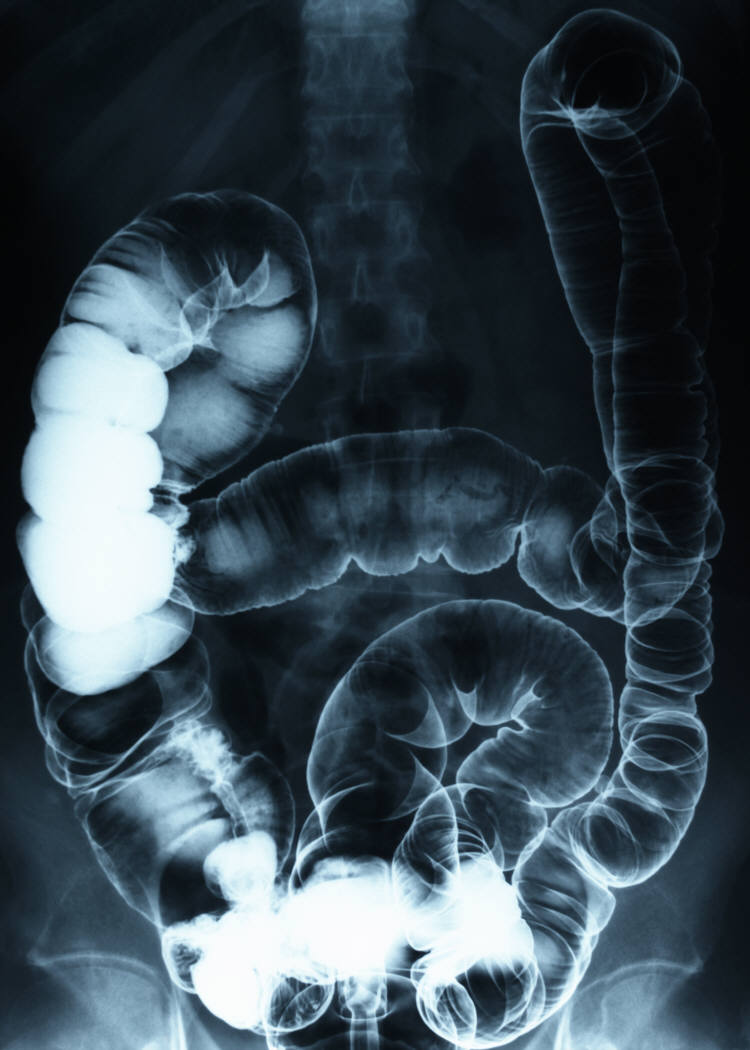
A multicenter observational study involving more than 31,000 patients in 346 German hospitals provides a basis for improving care for patients with bowel cancer.
According to the findings of the meta-analysis, culled from data gathered over a four-year period from 2000 to 2004, colonoscopies have only led to a marginal reduction in advanced-stage tumor diagnoses. Those diagnosed with stage IV cancer had less than a 10 percent chance of survival past five years.
Poorer oncological outcomes resulted for 288 of the patients for whom surgeons had to convert from an endoscopic (keyhole) to an open procedure during the surgery. Patients who underwent laparascopic sugery fared better than those who underwent open surgery.
The analysis also indicated complications stemming from bowel cancer care treatment. Leakage from bowel sutures resulted in markedly lower prognosis, for example. The analysis revealed a marked increase in mortality risk for the three percent of patients who experienced leakage compared to patients who underwent colonic resections without leakage (18.6 percent with leakage compared to 2.6 percent without leakage).
Bowel cancer can be preventable. In fact, the World Cancer Research Fund believes more than 40 percent of cases could be avoided if people ate healthier (more green leafy vegetables, whole grains, fruits and fish, and less red meat and saturated fats) and exercised more.
All information on this site is provided “as-is” for informational purposes only and is not a substitute for medical advice or treatment. You should consult with a medical professional if you have any questions about your health.
More health news
 Health News
Magnets For Adults, Not For Kids to Eat
Medical and surgical interventions for consuming magnets becoming more common in children
 Health News
A Peek Deep into the Bowels
Researchers develop new endoscope to track bacteria in the gut
 Health News
Adult Gastroenterology for Children
Procedure shows promise in pediatrics