
An Apple a Day Keeps Diabetes Away
Flavonoids in blueberries and apples may reduce type 2 diabetes risk
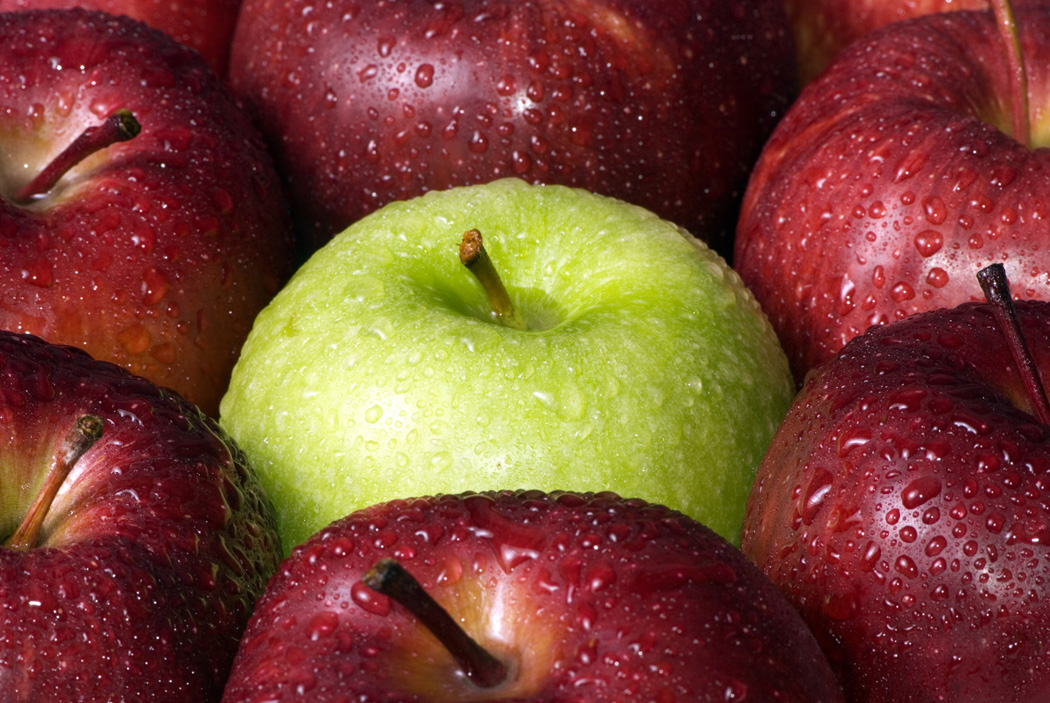
A healthy diet is a huge part of preventing diabetes. So, what is a healthy diet? Well, blueberries, apples, and pears seem to be a good choice, at least when it comes to protecting yourself against diabetes.
People may lower their risk of diabetes by eating foods high in flavonoids, a natural substance found in many plants, including fruits, vegetables, and grains. This risk-lowering effect is especially strong through eating blueberries, apples, and pears - fruits that are rich in a specific type of flavonoid.
Eat more blueberries and apples to reduce your risk of diabetes.
Past studies have shown that flavonoids have a positive effect on people's sensitivity to insulin, a hormone that manages blood sugar and plays a key role in the development of diabetes.
"However, few studies have evaluated the relation between intakes of different flavonoid subclasses and type 2 diabetes," write Nicole M. Wedick, a research fellow at the Harvard School of Public Health, and colleagues in their recent study.
So, the researchers set out to see if eating different types of flavonoids - such as flavonols, flavones, flavonones, flavan-3-ols, and anthocyanins - was associated with a reduced risk of type 2 diabetes.
They found that a specific type of flavonoid called anthocyanin was especially associated with a lower risk of type 2 diabetes. Anthocyanin is found in foods like blueberries, apples, and pears.
According to the study's results, people who ate higher amounts of blueberries had a 23 percent lower risk of developing type 2 diabetes, compared to those who did not eat blueberries.
Similarly, eating at least five servings of apples or pears per week was associated with a 23 percent lower risk of diabetes.
The study involved more than 200,000 men and women from the United States. Over the course of the study, there were 12,611 cases of type 2 diabetes.
The results are published in The American Journal of Clinical Nutrition.
All information on this site is provided “as-is” for informational purposes only and is not a substitute for medical advice or treatment. You should consult with a medical professional if you have any questions about your health.
More health news
 Health News
Flavonoids: Nature's Answer for a Better Sex Life?
Flavonoid-rich foods, drinks linked to lower erectile dysfunction risk
 Natural
Shield From Stroke by Eating Apples and Pears
Stroke risk lowered by consuming an apple or pear each day
 Health News
Add This to the List of Blueberry Benefits
Blueberries may guard against high blood pressure