
A Plan to Make Kids' Food Safer
FDA releases action plan to make baby food safer
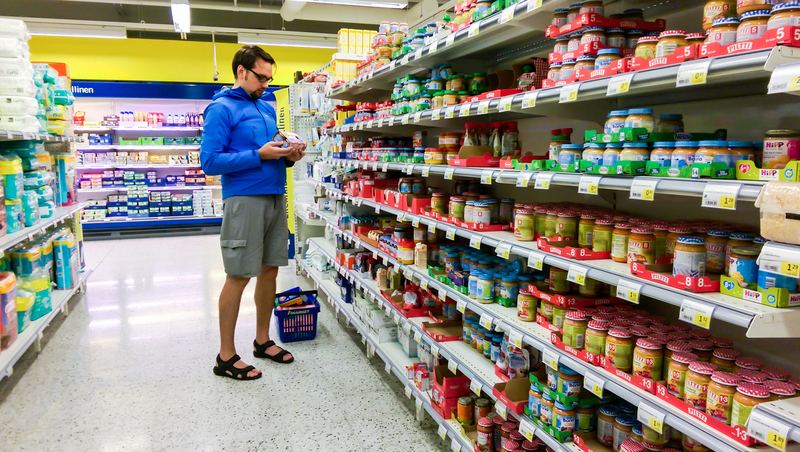
The US Food and Drug Administration (FDA) is taking action to reduce toxic elements in food for babies and young children.
After reports of toxic elements like lead, arsenic, mercury and cadmium in baby food, the FDA announced that it was going to take steps to reduce the levels of these elements in children's food. Now, the agency is releasing its Closer to Zero plan to do exactly that.
The FDA noted that current testing suggests that children are not facing an immediate health risk as a result of these elements in their food. But the agency also acknowledged that parents want to see as little of these substances in their children's food as possible.
"In reality, because these elements occur in our air, water and soil, there are limits to how low these levels can be," according to an FDA press release. "The FDA’s goal, therefore, is to reduce the levels of arsenic, lead, cadmium and mercury in these foods to the greatest extent possible."
To do that, the Closer to Zero plan is broken down into four main phases:
- Determine the scope of the problem. The FDA will take a scientific approach to finding out how much of these substances is truly present in children's food. Then, it will determine whether these levels of exposure pose health risks.
- Suggest acceptable levels of these substances. Using the data the FDA has obtained, the agency will propose "action levels" of each substance. These are goals for the maximum acceptable levels of these toxic substances in children's food.
- Speak with stakeholders about the proposed levels. To prevent food shortages and undue hardship on manufacturers and federal agencies, the FDA will meet with these stakeholders to determine whether the proposed action levels are feasible.
- Finalize the new rules. The FDA will use the data and information it obtained in the previous three steps to finalize the new action levels for toxic elements in food for babies and young children.
The FDA said its efforts to make children's food safer will be ongoing and emphasized that children currently do not appear to face immediate health risks from their food.
"However, we know that additional progress can be made and are confident that a science-driven, transparent and inclusive process will help lead to even further reductions in exposure to these toxic elements," the agency said in a press release.
If you are concerned about your child's diet or exposure to toxic elements, speak with your family health care provider.
All information on this site is provided “as-is” for informational purposes only and is not a substitute for medical advice or treatment. You should consult with a medical professional if you have any questions about your health.
More health news
 Health News
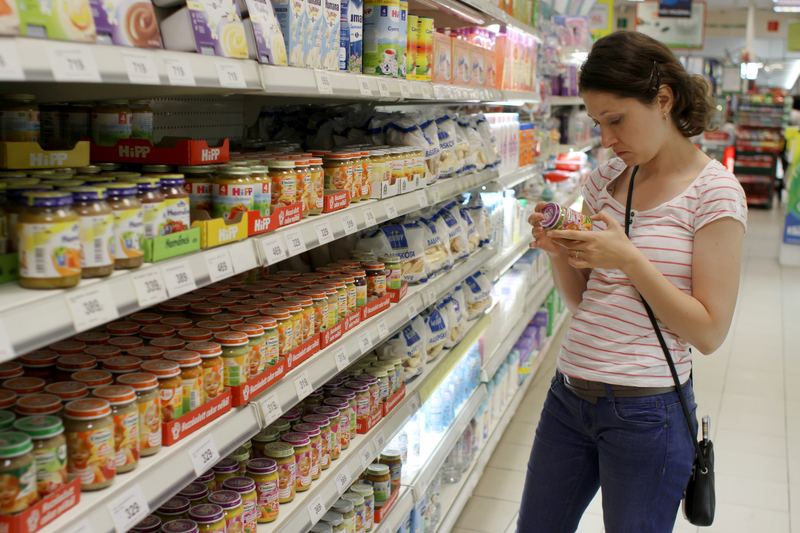
Making Baby Food Safer
FDA takes action to reduce toxic elements in food for babies and children
 Health News
11 Years Later...Cancer Is Covered
911 first responders now have health coverage for 58 cancers
 Health News
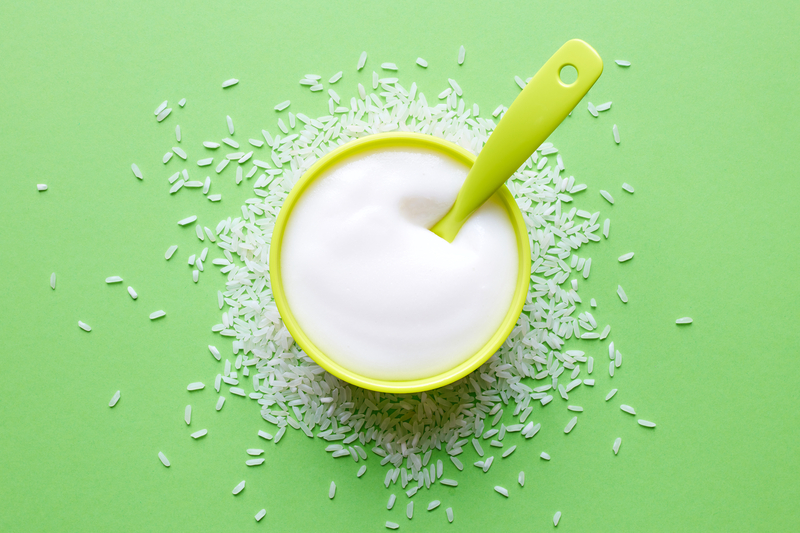
Limiting Arsenic in Infant Rice Cereal
FDA moves to limit inorganic arsenic found in infant rice cereal