
FDA Changes Monoclonal Antibody Approval
FDA limits use of monoclonal antibodies for Omicron infections
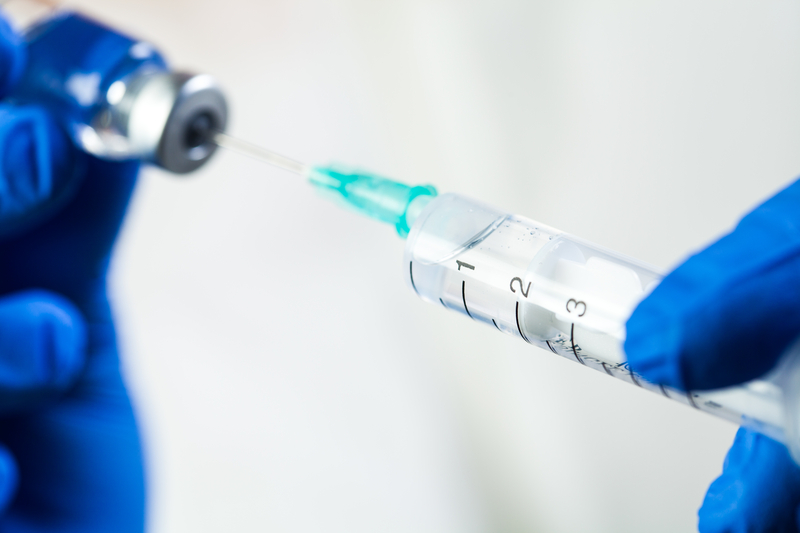
The US Food and Drug Administration (FDA) is changing the way a COVID-19 treatment can be used.
The agency recently announced that it was discontinuing the use of monoclonal antibodies in patients who have been infected with the Omicron variant of COVID-19.
That's because they didn't appear likely to work against the variant, which was responsible for roughly 99 percent of COVID-19 cases in the United States in recent weeks.
"Because data show these treatments are highly unlikely to be active against the Omicron variant, which is circulating at a very high frequency throughout the United States, these treatments are not authorized for use in any U.S. states, territories, and jurisdictions at this time," said Dr. Patrizia Cavazzoni, director of the FDA’s Center for Drug Evaluation and Research, in a press statement.
The only exceptions to that statement will be when the patient is likely to have been exposed to a COVID-19 variant that these treatments can actually work against, according to the FDA.
Bamlanivimab and etesevimab (administered together) and REGEN-COV (casirivimab and imdevimab) are the monoclonal antibody treatments in question. When the FDA approved them, they appeared to be effective against the circulating COVID-19 variants. But with time, the situation changed.
"Monoclonal antibodies are laboratory-made proteins that mimic the immune system’s ability to fight off harmful pathogens such as viruses, like SARS-CoV-2," Dr. Cavazzoni continued. "And like other infectious organisms, SARS-CoV-2 can mutate over time, resulting in certain treatments not working against certain variants such as omicron. This is the case with these two treatments for which we’re making changes today."
According to the FDA, various other treatments were still available and likely to be effective against the Omicron variant. Examples included Paxlovid, sotrovimab, Veklury (remdesivir) and molnupiravir.
Preventing patients from receiving monoclonal antibodies that are likely to be ineffective protects them from potentially serious side effects, the FDA noted.
The FDA said it would continue to monitor the pandemic and update the approved therapies as more information becomes available. Officials reiterated that vaccination remains the most important and effective preventive measure against COVID-19.
Talk to your health care provider about the available prevention methods and treatments for COVID-19.
All information on this site is provided “as-is” for informational purposes only and is not a substitute for medical advice or treatment. You should consult with a medical professional if you have any questions about your health.
More health news
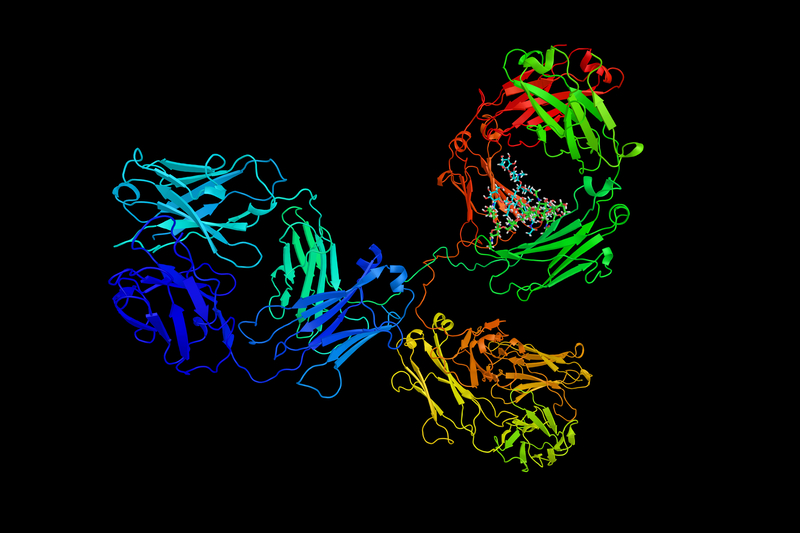 Health News
Monoclonal Antibody for Omicron Approved
FDA issues EUA for monoclonal antibody that is effective against Omicron
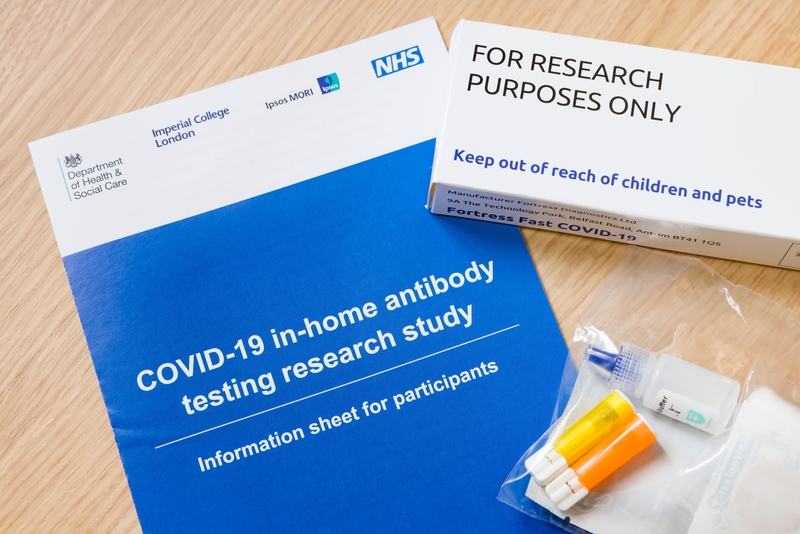 Health News
FDA Approves New COVID-19 Rx
FDA authorizes sotrovimab, a monoclonal antibody treatment for COVID-19
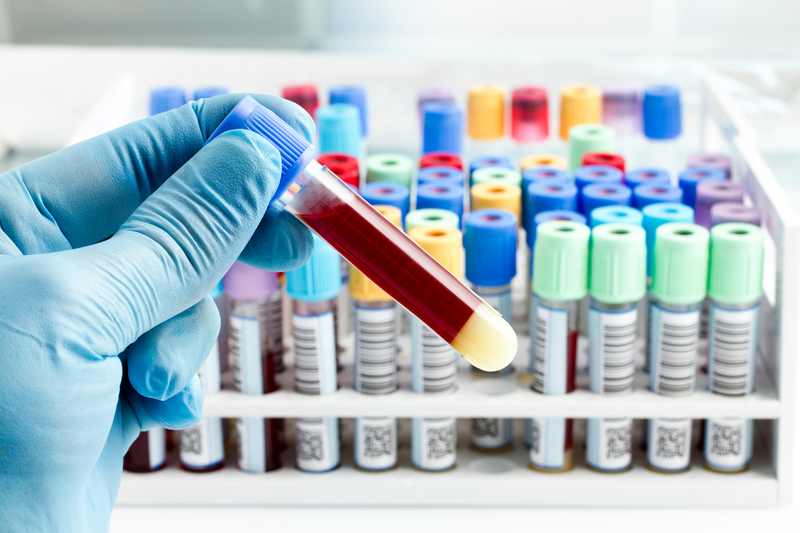 Health News
FDA Approves New COVID-19 Treatment
Monoclonal antibodies (bamlanivimab, etesevimab) approved to treat COVID-19