
Second COVID-19 Vaccine Authorized
FDA grants an EUA for Moderna's COVID-19 Vaccine
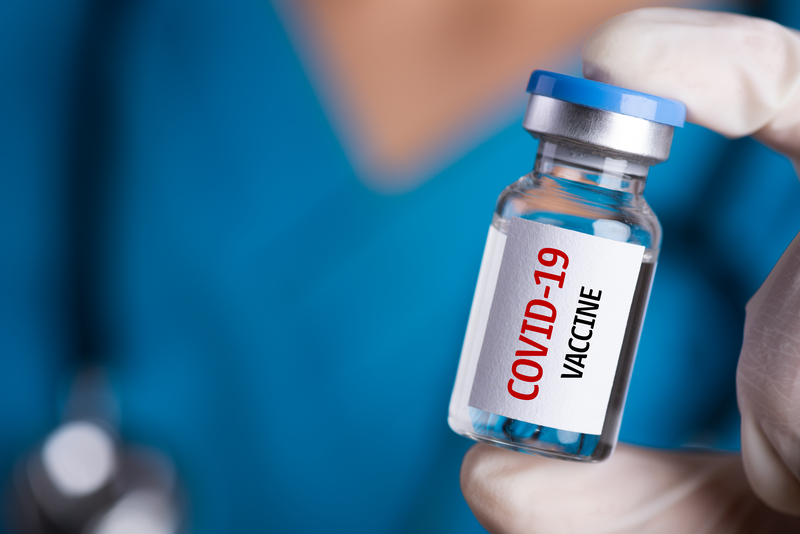
The US Food and Drug Administration (FDA) recently issued an emergency use authorization (EUA) for a second COVID-19 vaccine.
This authorization is for the Moderna COVID-19 Vaccine.
The FDA authorized this vaccine to prevent COVID-19, which is caused by SARS-CoV-2, in those who are 18 years old and older.
On Dec. 11, the FDA issued an EUA for the Pfizer-BioNTech COVID-19 Vaccine, which was the first vaccine to be authorized. Now, there is another vaccine option.
It is important to note that an EUA is different from an FDA approval. In order to issue an EUA, the FDA evaluates the data and does the following:
- Determines whether the product may be effective
- Assesses known or potential risks and benefits
If it appears that the product may be effective and the potential benefits outweigh the risks, then the product is made available during the emergency at hand.
This authorization came after the FDA determined that the vaccine may be effective in preventing COVID-19 and that the benefits of getting the vaccine outweigh the known and potential risks.
This vaccine is given as a series of two doses one month apart.
The vaccine's safety was studied in a trial that included over 30,000 people. About half of these people were given the vaccine, while the other half were given a placebo.
“Guided by science and data, the agency’s career staff determined that the vaccine’s known and potential benefits clearly outweigh its known and potential risks, and although not an FDA approval, the FDA’s expectations described in our June and October guidance documents have been met,” said Dr. Peter Marks, director of the FDA’s Center for Biologics Evaluation and Research, in a press release.
The vaccine contains a small piece of the virus that causes COVID-19. That helps the body make the virus’ distinctive “spike” protein, sparking an immune response to that protein.
This process enables the body's immune system to learn how to defend itself against the virus — specifically, the spike protein on the virus.
Side effects that were reported in the trial included pain at the injection site, feeling tired, headache, fever and chills, muscle and joint pain, and nausea and vomiting.
Some people's lymph nodes became swollen in the same arm in which they got the vaccine. This side effect was reported to last a few days. Side effects appeared to be more common after the second dose than the first one.
The vaccine's effectiveness was studied in a trial that included more than 28,000 people. About half of these people were given the vaccine, while the other half were given a placebo.
The maker of this vaccine has set up a plan to help monitor the vaccine's safety over the long term. This plan also enables safety concerns to be identified and evaluated in a timely manner.
The EUA for this vaccine was issued to Moderna.
All information on this site is provided “as-is” for informational purposes only and is not a substitute for medical advice or treatment. You should consult with a medical professional if you have any questions about your health.
More health news
 Health News
FDA Approves First COVID-19 Vaccine
FDA grants emergency use authorization for Pfizer's COVID-19 vaccine
 Health News
COVID Vaccine Gets Green Light for Early Teens
Pfizer's COVID-19 vaccine now available for teens ages 12 to 15
 Health News
COVID-19 Vaccine Approved for Young Kids
FDA authorizes COVID-19 vaccines for children as young as 6 months old