
Brain-Eating Amoeba Explained
Everything you need to know about the 'brain-eating amoeba' Naegleria fowleri
You may have been hearing news about a "brain-eating amoeba.” It sounds like a monster story just in time for Halloween, but it's real. Read on for more information.
This amoeba is called Naegleria fowleri. It is commonly found in freshwater lakes, rivers and hot springs, particularly in southern states. However, there have been some reports as far north as Minnesota.
Infection can happen when water containing the amoeba enters through the nose. But you can't become infected with this amoeba if you drink water contaminated with it.
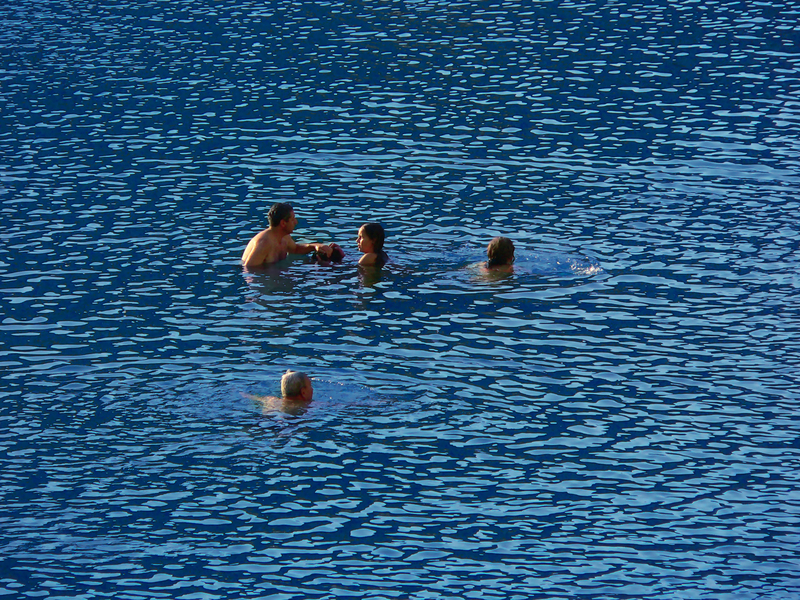
Infection happens when people go swimming or diving in warm freshwater places, such as lakes and rivers.
The Centers for Disease Control and Prevention (CDC) noted that reports of people who submerge their heads during religious practices or irrigate their noses using contaminated tap or faucet water are very rare.
Naegleria fowleri is a single-cell living organism that can cause a rare infection of the brain called primary amebic meningoencephalitis (PAM).
If the amoeba enters the nose, it travels to the brain, where it causes PAM. This illness is usually fatal.
Naegleria fowleri infections are rare. In fact, in the last 10 years, 34 infections were reported in the US. This number is low compared to the hundreds of millions of times people enter the water for recreation each year.
According to the CDC, there are between zero and eight infections each year. In 2019, three cases were reported.
Since 1962, 148 cases have been reported in the following states:
- Arizona
- Arkansas
- California
- Florida
- Georgia
- Indiana
- Kansas
- Louisiana
- Maryland
- Minnesota
- Mississipi
- Missouri
- Nevada
- New Mexico
- North Carolina
- Oklahoma
- South Carolina
- Tennessee
- Texas
- Virginia
- US Virgin Islands
The CDC stated that there are no known measures to control naturally occurring Naegleria fowleri in bodies of water. That means prevention is difficult.
However, the agency did recommend that people try to limit the amount of water that goes up the nose during recreational activities.
If you have questions or concerns, speak with your health care provider.
All information on this site is provided “as-is” for informational purposes only and is not a substitute for medical advice or treatment. You should consult with a medical professional if you have any questions about your health.
More health news
 Health News
Drastic Measures for Drastic Infections
Amebae fighting investigational medication made available from CDC to counter deadly infections
 Natural
Brain Eating Monster
Parasite takes three lives this summer
 Health News
Avoiding Bacteria in Lakes, Rivers and Oceans
Here's what you need to know to avoid swimming-related illnesses