
Daily Helping of Poison
Everyday toxins manage to avoid screening
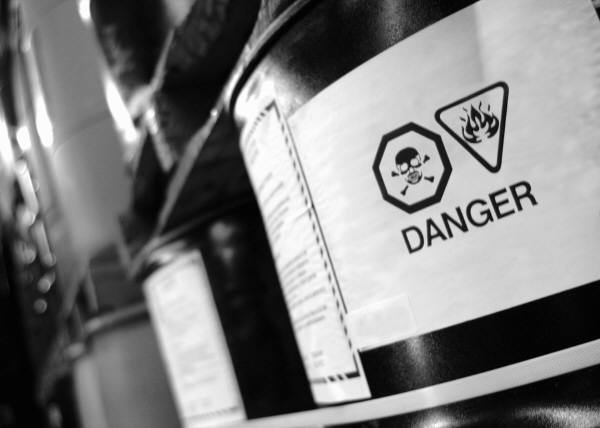
Of all of the chemical substances used in everyday products, only a small percentage are actually tested to verify whether or how toxic they are before reaching the market.
With so many chemicals used to produce everyday products that we come into contact with daily, you would hope that there are strict guidelines to ensure safety and determine toxicity. In fact, that is not the case.
Only two percent of 62,000 chemical substances used in commercial products before 1979 were reviewed for toxicity. Since 1979, only around 15 percent of 50,000 substances introduced have been reviewed.
People in the United States are exposed to hundreds and possibly thousands of toxic substances that can affect brain function, reproduction and the immune system. Surprisingly, there is no law requiring that these compounds be tested before they are put on the market. Most regulation occurs once products containing these chemicals have already hit shelves.
The Center for Disease Control has made a list of 200 toxic substances in the bodies of people in the United States. The United States currently only screens pharmaceutical products and pesticides for toxicity, but dangerous substances are still found in plastics like those used for water bottles.
Other products with potentially toxic chemicals are baby seats, non-stick cooking surfaces, curtains, TV sets and cosmetics. Carl Cranor, a professor from UC Riverside, stresses the effect this has on human science. He calls contaminants and their effects "increasingly difficult" to find in people, but insists "we are all contaminated. It's a question of more or less contamination."
All information on this site is provided “as-is” for informational purposes only and is not a substitute for medical advice or treatment. You should consult with a medical professional if you have any questions about your health.
More health news
 Natural
B-vitamins Defend the Liver From Arsenic Poisoning
Vitamin B12 and Folate may protect the liver by protecting DNA
 Health News
Plastics and Eggs
Study finds chemical in plastics may compromise women's reproductive health
 Health News
E-cigarette Manufacturers Blowing Smoke?
Researchers at UC-Riverside look at safety of e-cigarettes as tobacco alternative