
Emergency: Why Am I Here?
Elderly with dementia and delirium who are admitted to emergency rooms often don't know why they are there
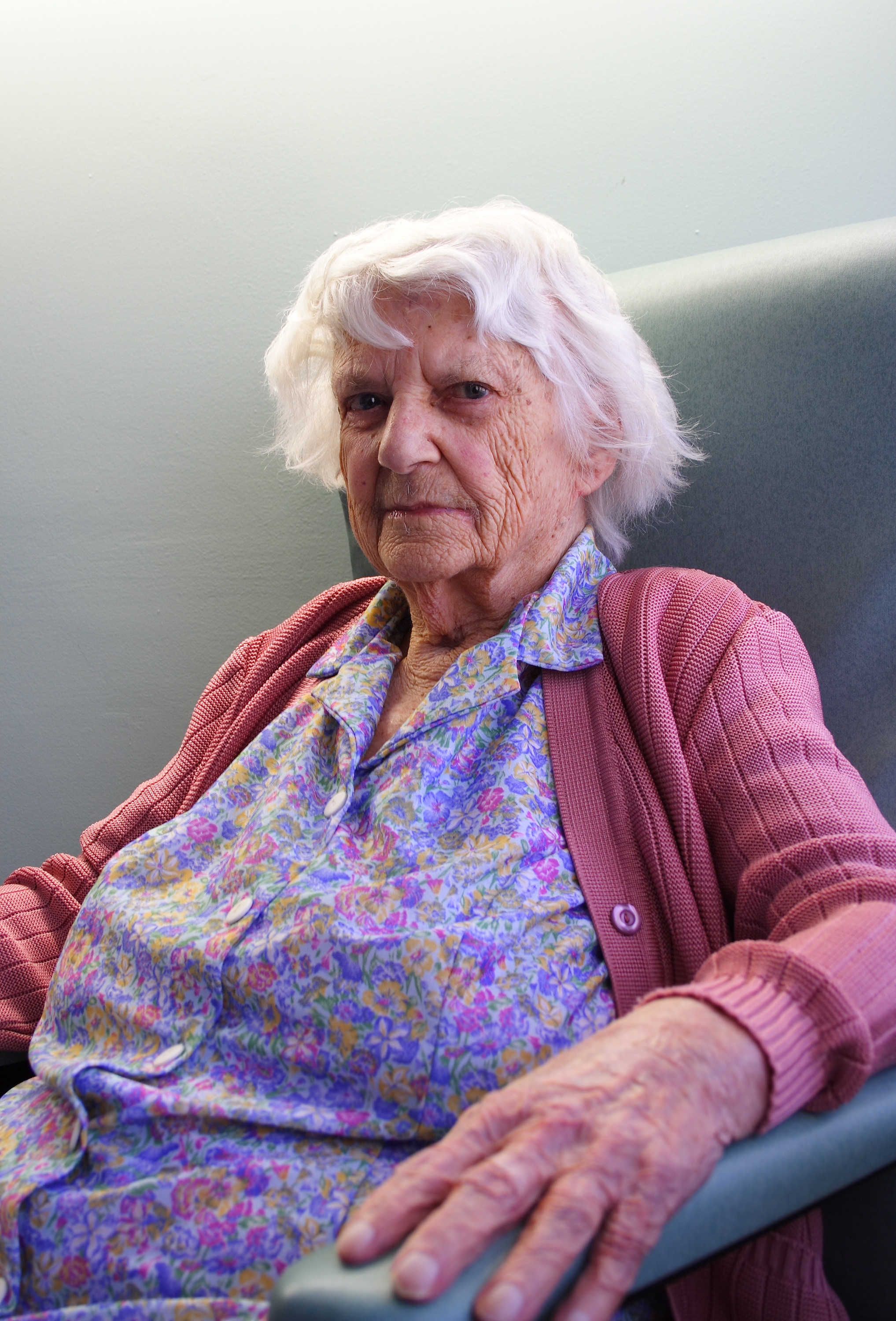
When admitted to a hospital emergency department, elderly patients who suffer from dementia and delirium often do not understand why they are there. They also tend to not understand ER discharge instructions.
In order to see how dementia and delirium affects patients' comprehension of their situation when they are in an emergency room, a team of researchers conducted two sets of interviews. After 202 patient interviews, the researchers found that individuals with delirium superimposed on dementia (DSD) were less likely than patients without DSD to know why they were in a hospital emergency room.
A second series of 115 patient interviews showed that patients with delirium superimposed on dementia (DSD) were much less likely than patients without DSD to understand emergency department discharge and follow-up instructions.
Dementia is a term that refers to memory loss and other mental disabilities caused by physical changes in the brain. Alzheimer's disease is the most common form of dementia. Other dementias include Parkinson's disease, Huntington's disease, and vascular dementia among others.
Delirium refers to the episodes of confusion and rapid changes in brain function that are a product of mental illnesses such as dementias.
These findings, which appear in the Annals of Emergency Medicine, show that emergency departments should focus on identifying patients with dementia and delirium.
All information on this site is provided “as-is” for informational purposes only and is not a substitute for medical advice or treatment. You should consult with a medical professional if you have any questions about your health.
More health news
 Mental Health
Is Delirium Different Than Dementia?
Dementia risk was higher for elderly people who had delirium
 Mental Health
Don’t Give Up on Dementia
Pseudo dementia and other reversible causes of memory loss in the elderly
 Prescription Drugs
Don't Let Confusion Take Over
Delirium often undiagnosed but preventable and treatable