
Diabetes Ups Risk After Joint Surgery
Diabetic and obese people may have increased infection risk after joint replacement surgery
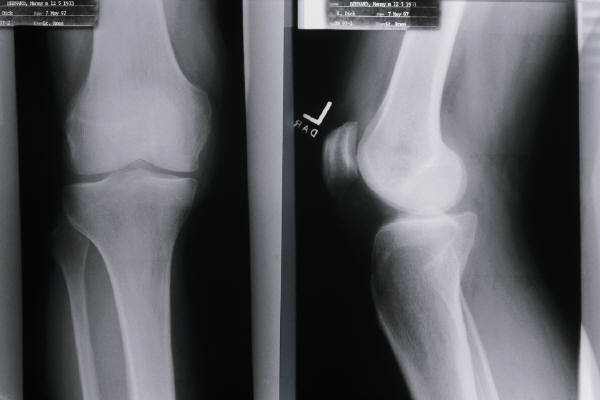
A hip or knee replacement may rid you of your arthritis pain. But you may also run the risk of infection after surgery.
People with diabetes may have more than twice the risk of infection after joint replacement surgery, compared to those without diabetes.
Morbidly obese patients also may face a high risk of joint infection after surgery.
Learn how to prevent joint surgery complications.
"Diabetes and obesity are common in patients undergoing joint replacement," write Esa Jämsen, MD, PhD, of Coxa, Hospital for Joint Replacement, and colleagues.
Past studies on the effects of diabetes or obesity on joint infection after surgery have shown mixed results, they wrote.
It remains unclear how the combination of diabetes and obesity affects the risk of joint infection after joint replacement surgery for osteoarthritis.
In their study, Dr. Jämsen and colleagues saw 52 joint infections within the first year after surgery. The rate of post-surgery infection rose from 0.37 percent in normal-weight people to 4.66 percent in morbidly obese people.
Whether a person was obese or not, diabetes more than doubled the risk of infection after joint replacement.
Morbidly obese patients with diabetes had the highest rate of infection, with five out of 51 patients (9.8 percent) developing infection.
In patients without diabetes, higher blood sugar levels were associated with a higher infection risk.
The researchers found no link between infection risk and type of diabetes medication.
According to the study's authors, diabetes and morbid obesity increased the risk of joint infection after hip and knee replacement surgery.
"The benefits of joint replacement should be carefully weighed against the incidence of postoperative infection, especially in morbidly obese patients," they write.
For their study, the researchers looked at the one-year rate of joint infections after 7,181 hip and knee replacement surgeries for people with osteoarthritis. Data on post-surgery joint infection came from the hospital infection register. The researchers identified patients with diabetes from the registers of the Social Insurance Institution of Finland.
The research was published in the Journal of Bone and Joint Surgery.
All information on this site is provided “as-is” for informational purposes only and is not a substitute for medical advice or treatment. You should consult with a medical professional if you have any questions about your health.
More health news
 Health News
No Weight Loss After Joint Replacement
Total joint arthroplasty not associated with weight loss after surgery
 Health News
After Knee Replacement, Watch Your Hips
Hip, vertebral fracture risk rose after total knee replacement due to osteoarthritis
 Health News
Heart Attack After Joint Replacement
Heart attack risk increased after total hip and total knee replacement surgery