
Dementia and Strokes do not mix
Dementia sufferers more likely to experience disability following a stroke
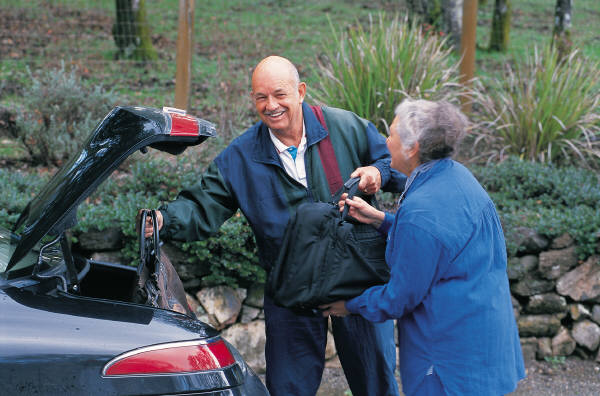
For stroke patients who have dementia the outcome may be worse. Dementia patients who have a stroke are more likely to suffer disability and less likely to return home.
Dementia patients who have a stroke are three times more likely to have a greater disability when they are discharged from the hospital as compared to patients without dementia.
Certified stroke center's offer the best service.
Dr. Gustavo Saposnik, a doctor from the University of Toronto in Canada, said the findings represent a growing challenge for the healthcare system as baby boomers age and their risk of stroke and dementia increases.
During the study, researchers enrolled 9,304 people who had a stroke between 2003 and 2008. Of the group, 702 people had dementia at the time they had a stroke.
They found that 81 percent of patients with dementia had moderate to severe disability after a stroke as compared to 57 percent of stroke patients who did not have dementia. Only 24 percent of stroke patients with dementia were able to return to their residence following a stroke as compared to 45 percent of those that did not have dementia.
Patients with dementia were more likely to have a stroke that was more severe, and an abnormal heart rhythm. They were also not as to receive life-saving clot-busting drugs shortly after the stroke.
Dr. Saposnik said the best way to manage stroke in patients with preexisting dementia is under debate, raising diagnostic management and ethical issues since some medical facilities may limit access to specialized stroke care for dementia patients unless the care is likely to improve the outcome. He said the lack of established guidelines for treating stroke in dementia patients also contributes to the uncertainty.
An additional study is underway to determine whether dementia or other conditions such as hypertension, diabetes, heart arrhythmia or smoking are responsible for the observed outcomes.
The study is published in the Nov. 1 issue of Neurology, the medical journal of the American Academy of Neurology.
All information on this site is provided “as-is” for informational purposes only and is not a substitute for medical advice or treatment. You should consult with a medical professional if you have any questions about your health.
More health news
 Mental Health
Making Hospice Hostipable for Dementia Patients
Institute for Aging Research wants to modify hospice eligibility
 FDA Approvals
Schizophrenia, Bipolar Disorder Rx Approved
Vraylar (cariprazine) approved to treat schizophrenia, bipolar disorder
 Mental Health
Dementia Dilemma
Guidelines needed for obtaining clinical trials consent from Alzheimer's patients