
Stimulating the Brain to Fight Depression
Deep brain stimulation successful for major depressive disorder
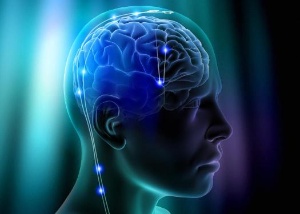
For people who are severely depressed, new hope may be on the horizon. Many people who suffer from major depressive disorder are also highly treatment resistant.
They often don't respond to medication or therapy. But deep stimulation of a specific targeted area in the brain could bring drastic improvement.
Ask your doctor about DBS for severe depression.
The first multi-center pilot study of deep brain stimulation (DBS) for major depression was conducted at three research facilities in Canada, and sponsored by St. Jude Medical. Dr. Andres Lozano of Toronto Western Hospital was the primary investigator and lead author of the research, enrolling 21 patients who had suffered from depression for 20 years on average.
The participants had all tried in excess of 16 anti-depressant medications and were considered disabled or unable to work.
"The reduction in depression scores is clinically significant as these patients had previously tried multiple medications, psychotherapy and/or electroconvulsive therapy (ECT) without success," said Dr. Lozano. "To see 62 percent of the patients in this study respond at one year gives us hope that this research may lead to a therapy for this hard-to-treat patient population."
Researchers targeted the DBS therapy to an area of the brain known as Brodmann Area 25. After one year, 62 percent of the patients had a 40 percent reduction in depressive symptoms; 29 percent of them experienced a 50 percent reduction in symptoms.
This noticeable improvement in depression increased the overall quality of life in the patients who had not responded to other treatments. More than 80 percent of the patients experienced some improvement, and none of them were any longer rated as severely or extremely ill.
The Libra(TM) deep brain stimulation system sends mild electrical pulses to a specific target in the brain from a device implanted in the chest.
Results were published in the November 2011 issue of the Journal of Neurosurgery.
Graphic: St. Jude Medical, Inc.
All information on this site is provided “as-is” for informational purposes only and is not a substitute for medical advice or treatment. You should consult with a medical professional if you have any questions about your health.
More health news
 Mental Health
Procedure Shows Promise for Alzheimer's Patients
Research shows Deep Brain Stimulation to be safe, effective
 Mental Health
Going off the Deep End
Deep brain stimulation shown to alleviate depression, neuropsychiatric disorders
 Mental Health
Treating Depression by Stimulating the Pleasure Center
Treating Depression by Stimulating the Pleasure Center