
Bypassing Certain Risks
Coronary bypass grafting may damage heart muscle, increase death risk

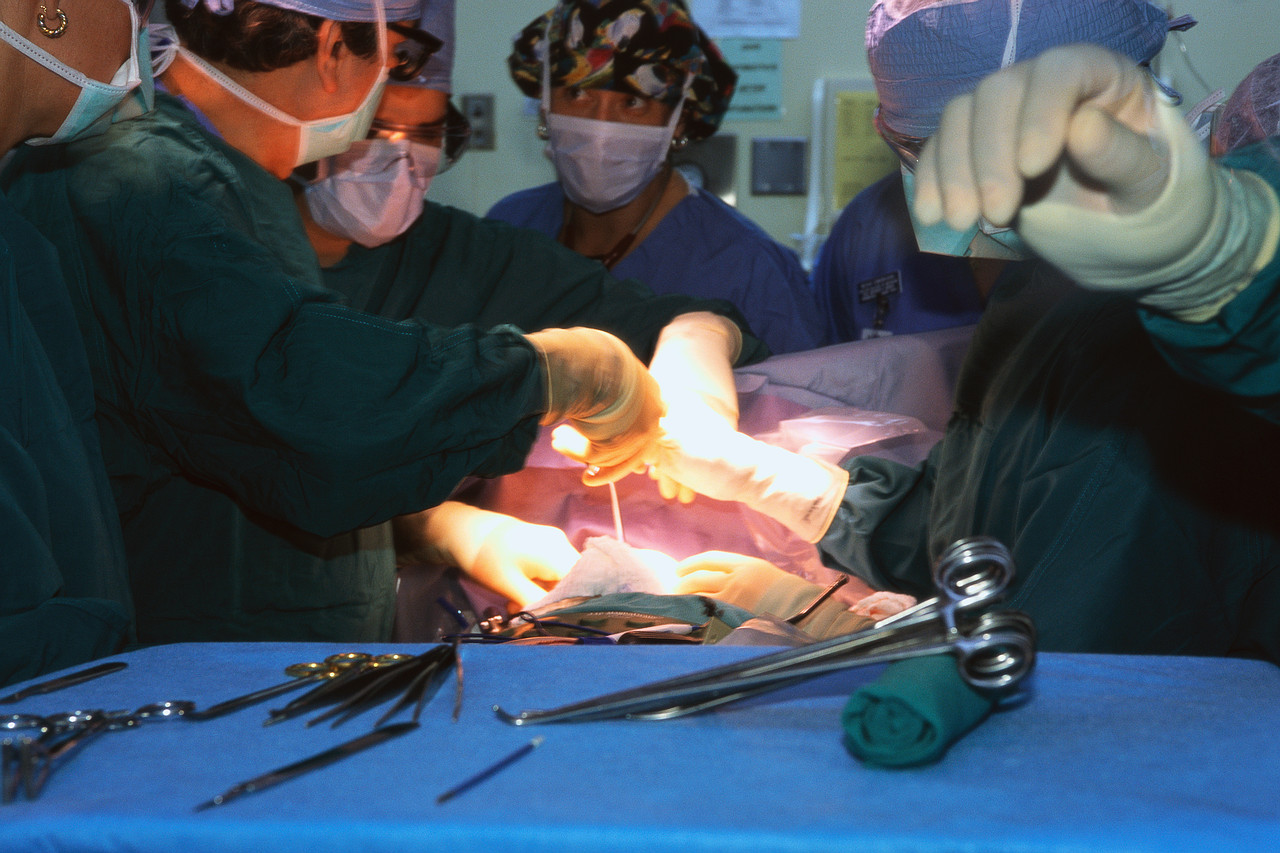
Coronary bypass grafting (CABG) surgery may result in damage to heart muscle, causing increased risk of death, even in patients who appear to do well after the procedure.
A new study from Mount Sinai School of Medicine finds that small elevations of the cardiac enzymes troponin and creatine phosphokkinase are released from heart-muscle cells when damaged during CABG surgery, correlates directly with mortality risk. These elevations were once thought unimportant.
Lead author Michael J. Domanski, MD, Professor, Cardiology, Mount Sinai School of Medicine, and Director of Heart Failure Research, said the greater the elevation in these enzymes, the greater the risk of death following surgery. Even low enzyme levels represent some death risk, he said, which continues for years.
The study, which followed 19,000 bypass patients, may prove useful in evaluating procedures performed on the heart, Domanski said.
Coronary bypass grafting (CABG) surgery is one of the most commonly performed major operations in the United States. The surgery is performed when arteries are significantly narrowed and blocked, depriving the heart muscle of oxygen-rich blood and putting patients at high risk of cardiovascular events such as heart attack. About 427,000 coronary artery bypass graft surgeries were performed in the United States in 2004, according to the American Heart Association.
All information on this site is provided “as-is” for informational purposes only and is not a substitute for medical advice or treatment. You should consult with a medical professional if you have any questions about your health.
More health news
 Health News
Smoking Hurts Bypass Odds
Smoking habits can alter chances of a successful bypass graft even a year after quitting
 Prescription Drugs
What Statins Could Do for Bypass Patients
Statins used before, after coronary artery bypass grafting may reduce postoperative complications
 Prescription Drugs
Bypass May Be Better for Diabetes
Coronary artery bypass surgery in diabetes patients led to better survival than angioplasty