
The Pill Alters Partner Picker
Contraceptive pills alter the natural sexual partner selection for women

Polly Piper picked a peck of pickled peppers. If Polly was on the pill, she might have picked something different than peppers. Polly may have picked a pumpkin instead.
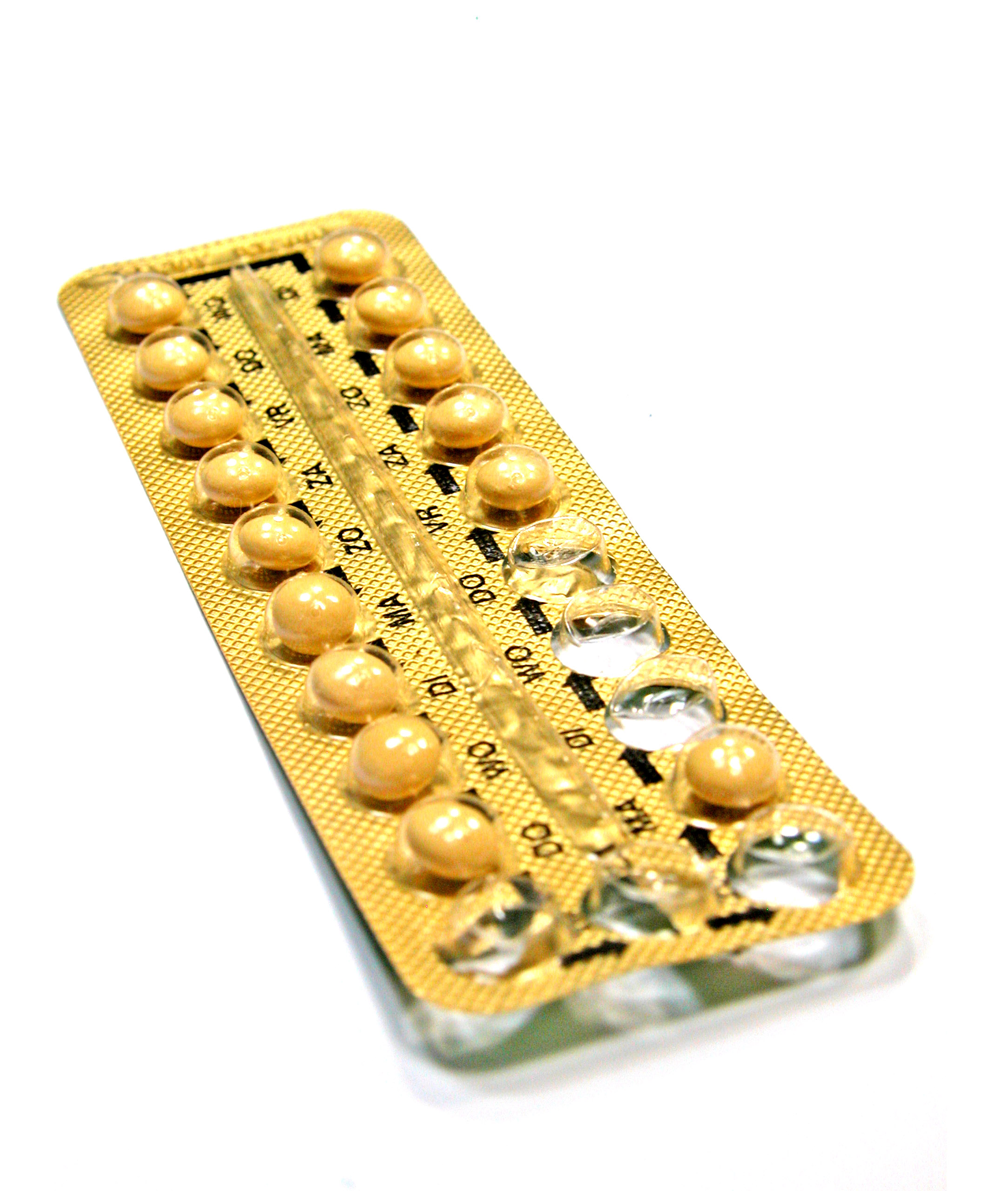
The pill makes a woman's body "think" she is pregnant. Women's normal hormonal cycle is interrupted as are the chemical attractions innately in place to promote reproductive success.
A recent study from the United Kingdom shows that women on contraceptive pills often select different men than they would if not on the pill. Researchers believe this is altering the natural genetic selection process women normally use and ultimately altering the children produced.
Taking 'the pill' changes women's natural preference in partners.
In women not on the pill whose hormones have not been altered, over 75 percent of recent sexual studies indicate women's monthly ovulation cycle dictates the type of men to whom they are attracted.
During ovulation, women are at their height of fertility and prefer symmetrically beautiful looking men with more masculine physical traits. Ovulating women also show a particular interest in aggressive, dominant, creative and intelligent men while ovulating.
Women's husbands also become more territorial and attentive while she is ovulating.
It is well documented that women prefer mates that have different qualities such as a loving attentiveness and financial success during less fertile times in her monthly cycle.
Researchers recommend drug companies selling birth control pills should have large-scale clinical trials investigating this behavioral shift associated with women on the pill as it may affect her mate choice, relationship satisfaction and divorce exposure.
All information on this site is provided “as-is” for informational purposes only and is not a substitute for medical advice or treatment. You should consult with a medical professional if you have any questions about your health.
More health news
 Prescription Drugs
Being Choosy with Birth Control
Hormonal birth control methods attract usage for different reasons
 Prescription Drugs
No Libido Loss with the Pill
Libido did not decrease among the majority of women taking combined oral contraceptives
 Clinical Trials
Potential for Hormone-Free Male "Pill"
Male contraception drugs without the side effects may be possible