
Eyeing Up Better Vision Screenings For Kids
Comprehensive pediatric vision screening device catches eye disease and learning disabilities
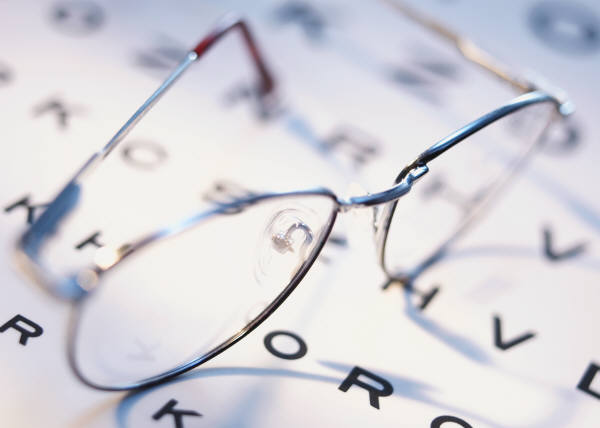
Vision screenings typically offered to children detect few potential conditions. A newly designed device detects vision changes, and soon also learning disabilities, helping ensure children receive effective treatment for conditions sooner.
The newly developed device is affordable and easy to use. Developers hope the device will someday be widely used at pediatricians' offices.
Ensure your children receive annual eye exams.
Ying-Ling Ann Chen, inventor of the device and research assistant professor in physics at the University of Tennessee Space Institute, noted that eye exams do much more than check vision. They can pinpoint conditions including dyslexia and autism.
Chen said that doctors could be missing a window for effective treatment by not offering such a test, since 85 percent of a child's learning is linked to vision.
Called the Dynamic Ocular Evaluation System (DOES), it takes only about a minute to train someone how to use it, and about three minutes for the actual test.
During the exam, a child watches a short cartoon or plays a computer game. As part of that three-minute period, an infrared light is used, and an assessment is complete about one minute later. Dilation is not needed and the child does not need to verbally reply during the exam.
The comprehensive test screens for factors that could influence vision including, binocular refractive risks, high-order aberration, scattering, ocular alignment, abnormal ocular alignment, neural responses and significant brain problems.
Currently the test checks only vision and neurological responses, but in the future is expected to also check for dyslexia, attention deficit hyperactivity disorder, post-traumatic stress disorder and autism.
Chen noted that few of the children who are receiving vision screenings before beginning kindergarten aren't being screened adequately. Most methods test one eye at a time and previous research has shown this can lead to inaccurate results, Chen said.
Dr. Christopher Quinn, an optometrist with Omni Eye Associates, said that while most children are not receiving eye exams before beginning school, the device has not yet been proven accurate, especially in comparison to an eye exam performed by a doctor.
"To my knowledge, there is little if any published research that shows the capabilities and accuracy of this device," Dr. Quinn said. "The claims by the inventor seem pretty sensational and I am sure the scientific community looks forward to an independent assessment to understand what role if any this new device may play in helping our nation’s children."
Investigators currently are performing a clinical test of the device at Tullahoma's Walmart Vision Center, where they are testing the response of children to the cartoon and comparing the accuracy of their results to a doctor's exam.
All information on this site is provided “as-is” for informational purposes only and is not a substitute for medical advice or treatment. You should consult with a medical professional if you have any questions about your health.
More health news
 Health News
Is it Time for an Eye Exam?
Healthy Vision Month encourages eye exams and eye health steps
 Health News
Keep Those Old Eyes Seeing It All
February is Low Vision Awareness Month
 Health News
Vision Loss Not Tied to Aging
Maintain healthy vision with regular eye exams