
Low B12 May Lead to Brain Shrinkage
Cognitive problems may arise with too little B12
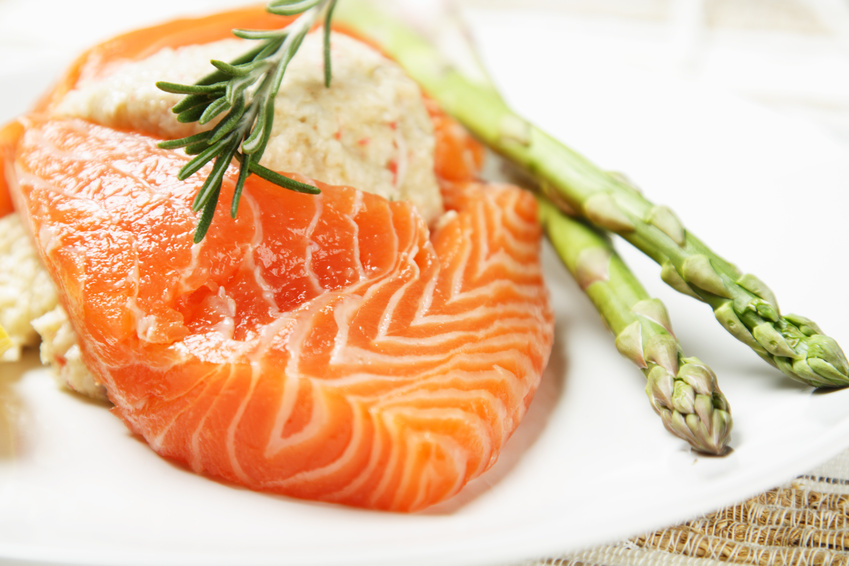
Vitamin B12 may be more important than previously believed, especially when it comes to preserving brain health and mental agility.
People over the age of 65 with low levels of vitamin B12 are more likely to lose brain cells through brain shrinkage and to develop problems with their thinking skills. B12 is naturally consumed in a variety of food including fish, meat, chicken, milk and eggs.
Eat foods high in B12 such as fish, oysters, liver or cheese.
Christine C. Tangney, author of the study and a researcher at Rush University Medical Center in Chicago, noted that the findings deserve further examination. She said it is too early to tell whether increasing the B12 levels in older individuals through diet or supplements could prevent the problems, though she called it an interesting avenue to explore.
Researchers enrolled 121 participants in the clinical study. All were over the age of 65 and resided in the Chicago area. Blood was drawn to measure the levels of vitamin B12 and B12-related metabolites that could indicate a B12 deficiency. Participants also took various tests to measure their memory and cognitive skills.
An average of four and a half years later, investigators took MRI scans of the participants' brains to measure total brain volume and to search for other signs of brain damage.
They found that participants with high levels of four out of five markers for vitamin B12 deficiency was linked to lower cognitive test scores and smaller total brain volume.
For each increase of one micromole per liter of homocysteine — one of the markers of B12 — the cognitive scores decreased by .03 standardized units or points.
The actual level of B12 in the blood stream, however, was not associated with cognitive problems. Tangney noted that B12 could be difficult to detect in older patients when looking only at blood levels.
The study was funded by the National Institute on Aging, and published in the Sept. 27 issue of Neurology, the medical journal of the American Academy of Neurology.
All information on this site is provided “as-is” for informational purposes only and is not a substitute for medical advice or treatment. You should consult with a medical professional if you have any questions about your health.
More health news
 Natural
Down and Out Without B12
B12 deficiency more common than thought, according to doctor
 Mental Health
B12 to the Battle
Vitamin B12 may reduce risk of Alzheimer's disease
 Natural
Good Diet May Protect An Aging Brain
Memory linked to vitamins and omega 3 fatty acids