
Caffeine and Overactive Bladder
Coffee reduces the risk of urinary incontinence
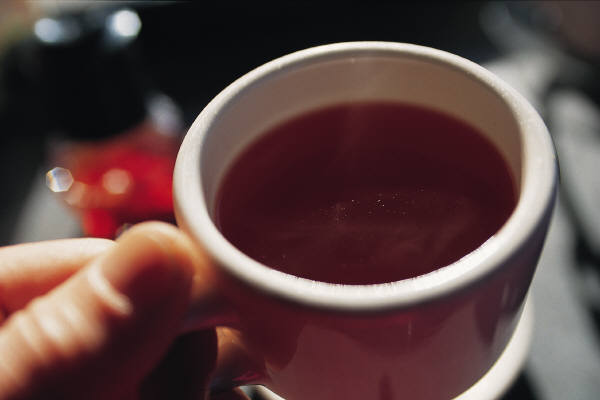
While many experts recommend cutting back on caffeine if you have bladder control problems, a new study shows that drinking coffee and tea has little effect urinary problems.
In fact, the study's results suggest that drinking coffee may reduce the risk of overactive bladder.
Researchers found that drinking tea only slightly increased women's risk of overactive bladder, or urinary incontinence - the inability to control the release of urine from the bladder.
Coffee may reduce your risk of overactive bladder control problems.
Women who drank a lot of tea also had a slight increased risk of nocturia, or the need to get up more than once during the night to urinate. Surprisingly, women who drank a lot of coffee had a lower risk of urinary incontinence compared with women who did not drink coffee.
Giorgio Tettamanti, of the Karolinska Institutet in Sweden, and colleagues set out to study how drinking coffee and tea affects symptoms of urinary incontinence. In contrast to past findings that coffee and tea consumption increase people's risk of urinary incontinence, they found that the two caffeinated drinks have little impact on overactive bladder.
They surveyed 14,031 female twins who had at least one symptom of urinary problems.
All information on this site is provided “as-is” for informational purposes only and is not a substitute for medical advice or treatment. You should consult with a medical professional if you have any questions about your health.
More health news
 Health News
Can Diet Affect Overactive Bladder?
Overactive bladder food choices to ease symptoms
 Health News
How to Control Overactive Bladder
Behavioral strategies for overactive bladder and incontinence
 Health News
Risking it With Overactive Bladder
Overactive bladder causes and genetic risks