
Poor Diets, Poor Kidneys
Chronic kidney disease risk associated with poor dietary habits among impoverished individuals
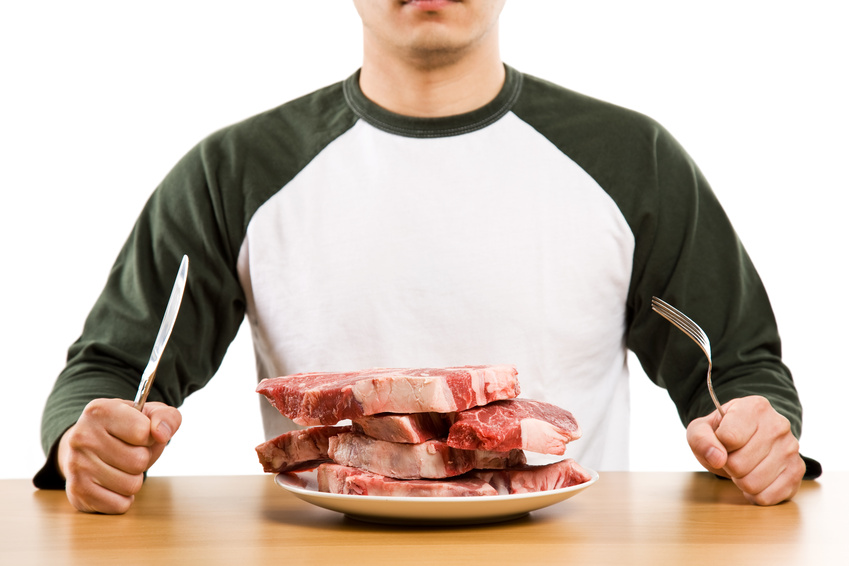
Poor people in the United States are more likely to develop kidney disease. Unhealthy diets may have something to do with this gap. A recent study showed poor dietary habits were strongly associated with kidney disease among the urban poor.
Their findings showed that poor people ate fewer healthy nutrients and more of an unhealthy substance than their non-poor counterparts.
Kidney disease was more common among the poor than among those who were not poor.
Eat healthy to reduce your risk of disease.
Deidra Crews, MD, of Johns Hopkins University School of Medicine, and colleagues wanted to see if poor dietary habits could explain the link between poverty and kidney disease. While 3.8 percent of non-poor participants had kidney disease, 5.6 percent of those who were poor had kidney disease.
The quality of patients' diets was measured by how well they stuck to the Dietary Approaches to Stop Hypertension (DASH) - an eating plan designed to lower high blood pressure.
The researchers looked specifically at the amount participants ate of nine key nutrients:
- total fat
- saturated fat
- protein
- fiber
- cholesterol
- calcium
- magnesium
- sodium
- potassium
Results showed that poor people ate less fiber, calcium, magnesium and potassium but more cholesterol than those who were not poor.
Only 5.4 percent (about 112 participants) of 2,058 participants stuck to the DASH.
Those with the worst adherence to DASH were more likely to be male, black, poor or smokers. People with the best adherence were more likely to have higher education and regular health care.
According to Dr. Crews, these findings suggest that an unhealthy diet is strongly associated with kidney disease among poor people.
Dietary interventions made specifically for this population may help close the gap in rates of kidney disease, she said.
The study was presented at the American Society of Nephrology's Annual Kidney Week. As such, it has yet to be published in a peer-reviewed journal.
The research was funded by the National Institute of Aging.
All information on this site is provided “as-is” for informational purposes only and is not a substitute for medical advice or treatment. You should consult with a medical professional if you have any questions about your health.
More health news
 Health News
DASH Diet Comes Out on Top Again
DASH Diet ranked best diet overall for eighth consecutive year
 Natural
DASH Keeps Girls Slim for Life
More fruits and vegetables kept girls slimmer
 Natural
Five-a-Day Keeps the Reaper Away
Following dietary guidelines could stave off cardiovascular disease, cancer