
Salmonella Outbreak Linked to Birds
CDC investigates Salmonella outbreak linked to wild songbirds
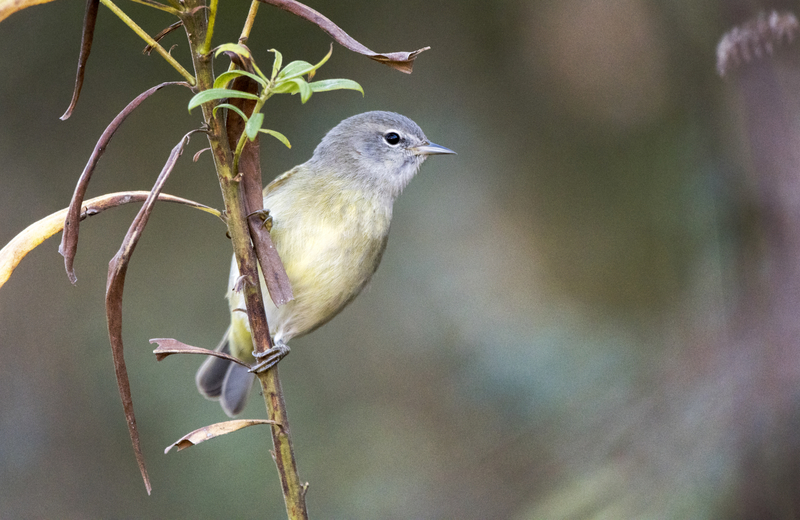
The Centers for Disease Control and Prevention (CDC) is investigating a Salmonella outbreak tied to wild songbirds.
The CDC announced that the outbreak has sickened 19 people in eight states so far. These states include California, Kentucky, Mississippi, New Hampshire, Oklahoma, Oregon, Tennessee and Washington.
Eight of those who have been infected have had to go to the hospital. So far, no one has died as a result of this outbreak, the CDC noted.
The CDC determined that this Salmonella outbreak is linked to wild songbirds by interviewing sick people and testing dead birds in lab settings. They found a strong tie to contact with wild songbirds in each case.
Both humans and birds appear to be getting sick as a result of this outbreak. The CDC noted that Salmonella can spread from wild animals and pets to humans.
Even birds that appear to be healthy can be infected with Salmonella and spread it to humans, the agency noted. And contact with something a bird came into contact with — such as a bird feeder or bird bath — can also spread the virus.
The CDC recommended doing the following to keep yourself healthy:
- Do not feed or touch wild birds with your hands. If you must contact wild birds, use gloves and wash your hands immediately after.
- Immediately wash your hands after touching a bird, bird feeder or bird bath. This applies even if you were wearing gloves.
- Clean and disinfect bird baths and feeders weekly. If possible, clean these items outside. If you must clean the items inside, disinfect the area where you clean them afterward.
- Keep all pets away from bird baths and bird feeders, as well as the areas beneath them.
- If you find a dead or sick bird in your yard, clean your bird feeders and bird baths, remove them from your yard for two weeks and call your state wildlife agency.
Salmonella is a type of bacteria. Common symptoms include diarrhea, fever and stomach cramps. These symptoms can appear up to six days after exposure to Salmonella bacteria.
Although Salmonella can be serious, it usually resolves without medical treatment after four to seven days, according to the CDC. In some people, especially young children, elderly adults and those with compromised immune systems, the infection can become life-threatening and require hospitalization.
The CDC said it would release more information about this outbreak as it becomes available.
If you believe you have Salmonella, speak with your health care provider.
All information on this site is provided “as-is” for informational purposes only and is not a substitute for medical advice or treatment. You should consult with a medical professional if you have any questions about your health.
More health news
 Health News
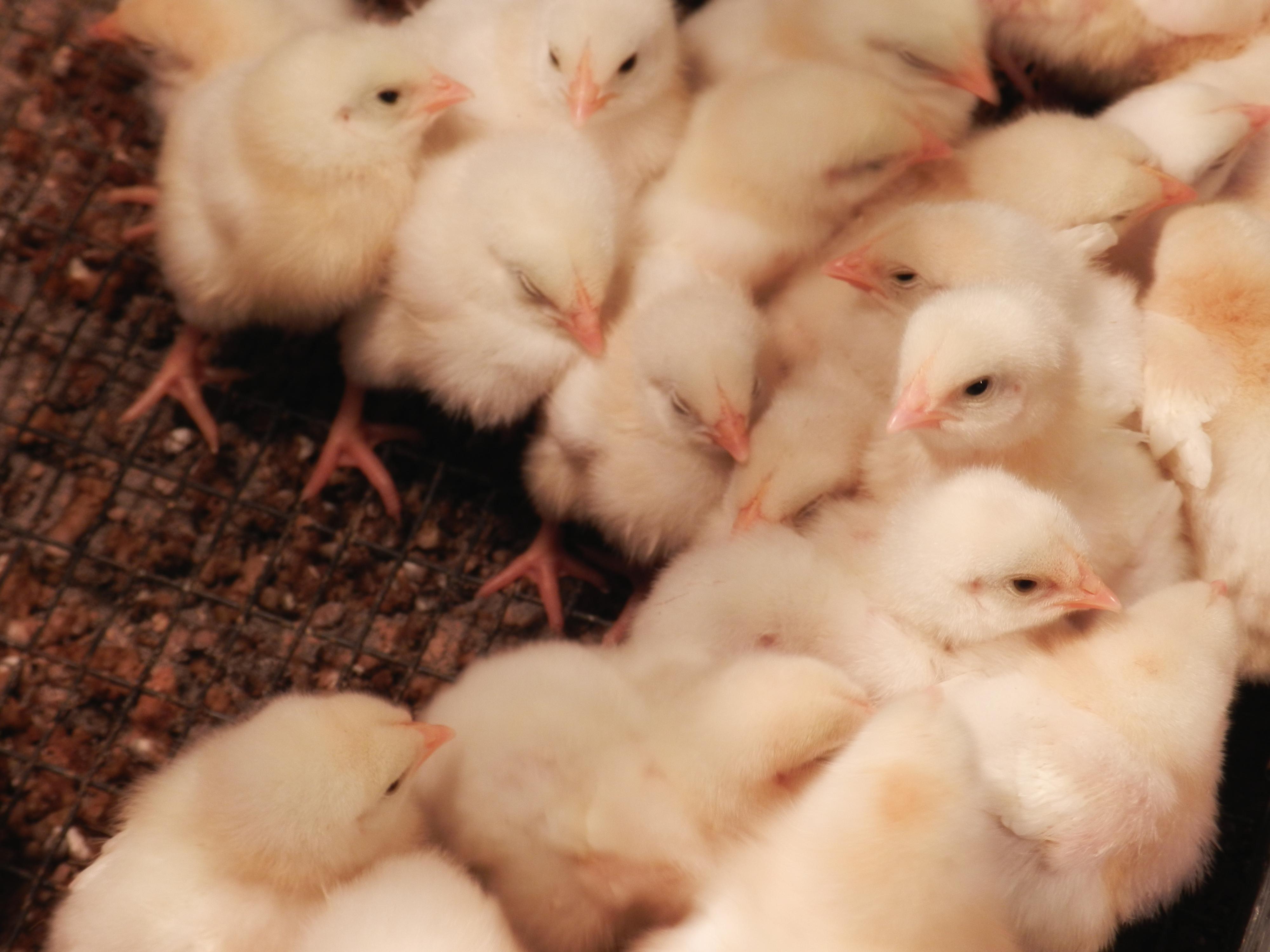
Live Birds a Salmonella Source
Salmonella multistate outbreak linked to live poultry sourced from New Mexico hatchery
 Natural
Salmonella Closes Peanut Butter Plant
Salmonella outbreak causes Sunland peanut butter plant to close
 Health News
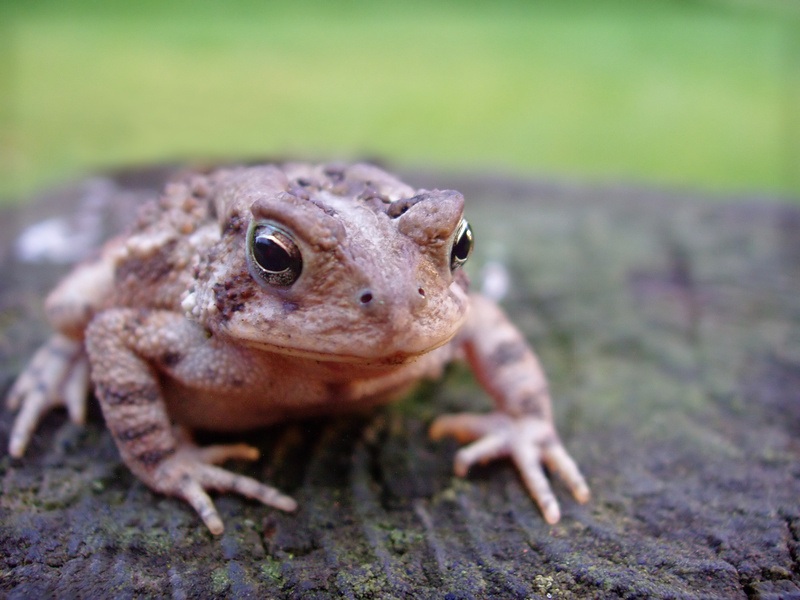
Real Frogs Not As Kid-Friendly as Kermit
African dwarf frogs caused salmonella outbreak among children keeping frogs as pets