
More Meow, Less Achoo!
Cat allergy symptoms reduced with new treatment method
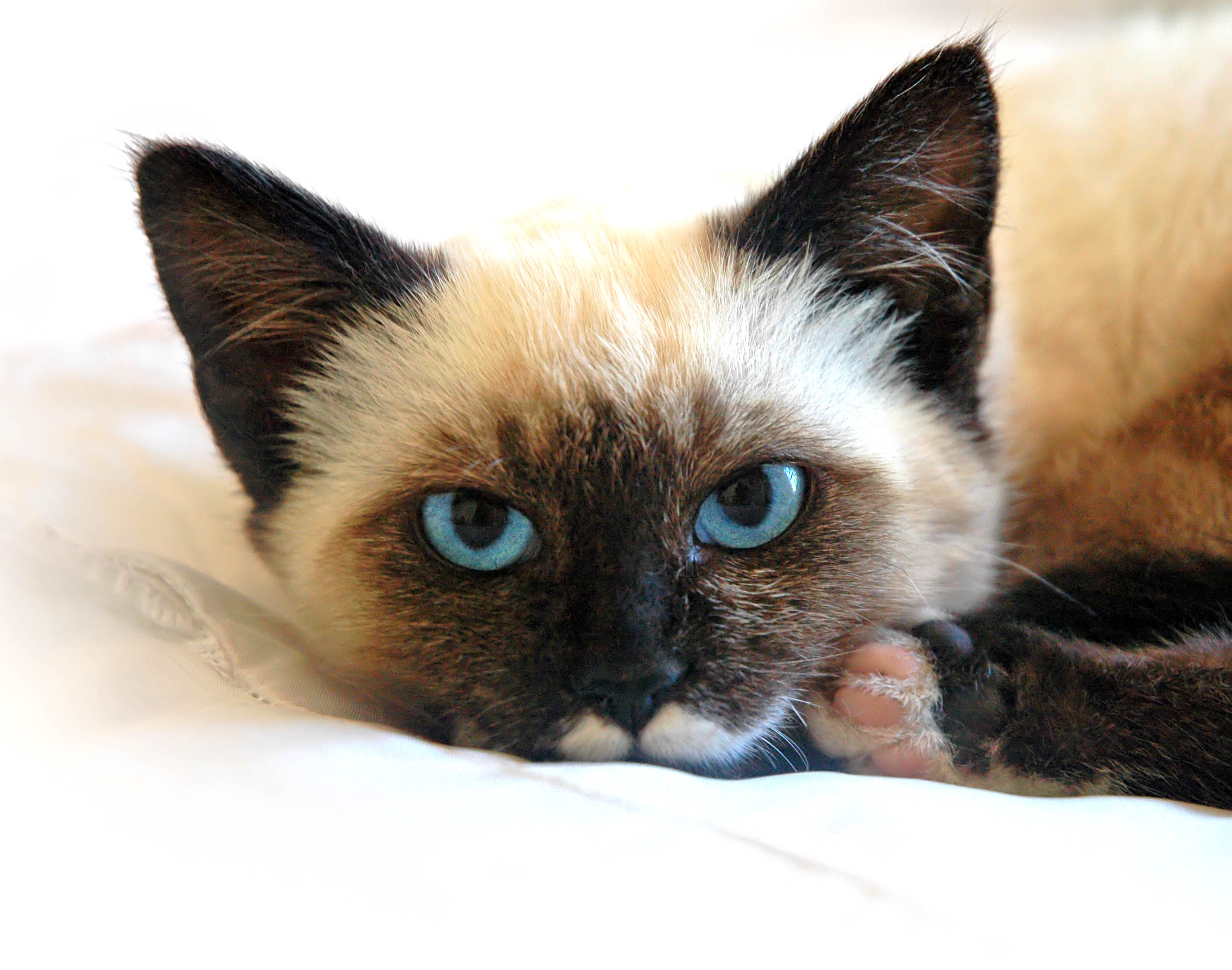
Cuddling cute kittens is irresistible to most people. Unless, of course, it causes sneezing, itchy eyes and a runny nose. But those with allergies might have a more cat-friendly future.
Recent research suggests a new treatment could reduce symptoms for people with cat allergies.
Ask your allergist for the best treatment.
Deepen Patel, MD, with Cetero Research and Topstone Research in Canada, led the study to find out if a short course of a new cat allergy treatment could lessen allergic reactions to cats even a year after the treatment was finished.
The treatment they investigated was cat peptide antigen desensitization (Cat-PAD).
Cat-Pad, also known by the brand name ToleroMune®, is a treatment thought to decrease allergic reactions to cats without triggering the release of histamines, which often cause side effects.
The researchers recruited 202 participants in Ontario, Canada with a history of cat allergies to include in their study. They were separated into two treatment groups and one placebo, or control, group.
Before the treatment started, the participants went to the clinic to be exposed to cat allergens so they could record their nose and eye symptoms.
For four days in a row, they spent three hours in a special controlled chamber in the clinic for the test. Each was given a score based on how severe their reactions were.
Over the next three months, patients received either four full Cat-PAD doses a month apart, eight lower doses two weeks apart or a placebo injection. Neither the researchers nor the participants knew which treatment was being used.
After the treatment was completed, they went back to the special chamber to assess their reactions to cat allergens.
Then, one year after the start of the initial study, 89 participants came back to the clinic to record their allergic reactions while being exposed to cat allergens.
The use of Cat-PAD with four doses a month apart had slightly improved allergy symptom relief compared to the eight mini-doses two weeks apart.
Using the larger monthly dose appeared to still be effective a year after the treatment.
“The optimal dose and dosing regimen of Cat- PAD has been identified as four administrations of a 6-nmol dose four weeks apart,” the researchers concluded.
They added the improvement lasted for a year after the treatment.
The study was published online September 17 in The Journal of Allergy and Clinical Immunology.
The research was funded by Adiga Life Sciences and Circassia, the manufacturer of ToleroMune®. One author was supported by the Canada Research Chairs program, the Canadian Foundation for Innovation and the McMaster University/GlaxoSmithKline Chair in Lung Immunology at St Joseph’s Healthcare.
Several potential conflicts of interest were reported. Three authors are employed by Cetero Research and three are employed by Circassia Limited.
Author M. Larche is founder, consultant and stockholder of Circassia Limited; is scientific founder of Adiga Life Sciences and has consultant arrangements with Boehringer Ingelheim. Larche has also received funding from MedImmune and Adiga Life Sciences, as well as various Canadian government entities.
All information on this site is provided “as-is” for informational purposes only and is not a substitute for medical advice or treatment. You should consult with a medical professional if you have any questions about your health.
More health news
 Health News
C-Sections and Sneezes
Cesarean section babies might have higher risk of allergies
 Health News
Allergen Extracts Have High Safety Standards
Non standardized allergen extracts were safe to use
 Natural
Cockroaches and Air Pollution Shouldn't Mix
Asthma linked to air pollution plus cockroach exposure