
Sports for Brain Power
Cardiovascular exercise and coordination plus concentration sports may prevent dementia
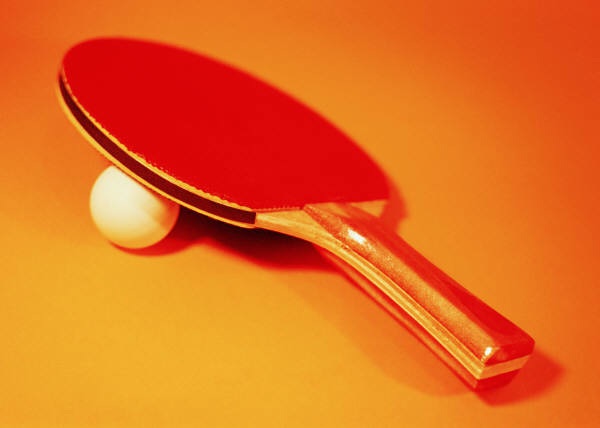
Find the Olympic Games inspiring? Certain Olympic sports may provide added brain health benefits beyond entertainment.
Mayo Clinic researchers reported Olympic sports that are aerobic and require concentration and hand-eye coordination may keep the brain and the body in good shape and ward off dementia.
Try out your favorite Olympic sport today!
Rodolfo Savica, MD, neurologist at the Mayo Clinic, claimed that certain Olympic sports could help reduce the risk of dementia.
Based on previous studies at the Mayo Clinic, aerobic sports like running and swimming could improve mood and risk factors for cognitive decline.
Sports that require a lot of concentration and hand-eye coordination were also suggested to help brain function.
Ping-pong, badminton, taekwondo and fencing were specifically mentioned in the study.
Dr. Savica said, “We know that 30 minutes of aerobic activity of any kind five times per week is associated with a reduced risk of cognitive decline.”
“So it is important to stay active often and as early as you can. And if the Olympic Games push people to get active, we definitely endorse that.”
Dr. Savica specifically suggests swimming to get that much needed aerobic activity for those with joint problems.
J. Eric Ahlskog, MD, PHD, neurologist at Mayo Clinic, reviewed over 1,600 papers to find 130 that indicated aerobic activity helped reduce the risk of dementia.
Dr. Ahlskog said, “We concluded that you can make a very compelling argument for exercise as a disease-modifying strategy to prevent dementia and mild cognitive impairment, and for favorably modifying these processes once they have developed.”
Rowing and canoeing were also mentioned as great cardiovascular workouts that can be beneficial for the brain.
This article with supporting studies was published in July on the Mayo Clinic website. No financial information was given and no conflicts of interest were found.
All information on this site is provided “as-is” for informational purposes only and is not a substitute for medical advice or treatment. You should consult with a medical professional if you have any questions about your health.
More health news
 Health News
Pregnant Athletes Can Keep Moving
Maria Sharapovas not pregnant but if she were it would be okay
 Features
Simple Lifestyle Habits Help Strengthen and Maintain Your Brain
You can do so much to keep your brain fit
 Mental Health
Battle of the Brain Trauma
CTE stages better defined after studying donated brains of former athletes and veterans