
Researchers May Have Identified Root Cause of Parkinson's Disease
Breakthrough discovery of mitochondrial 'master switch' may lead to possible cure
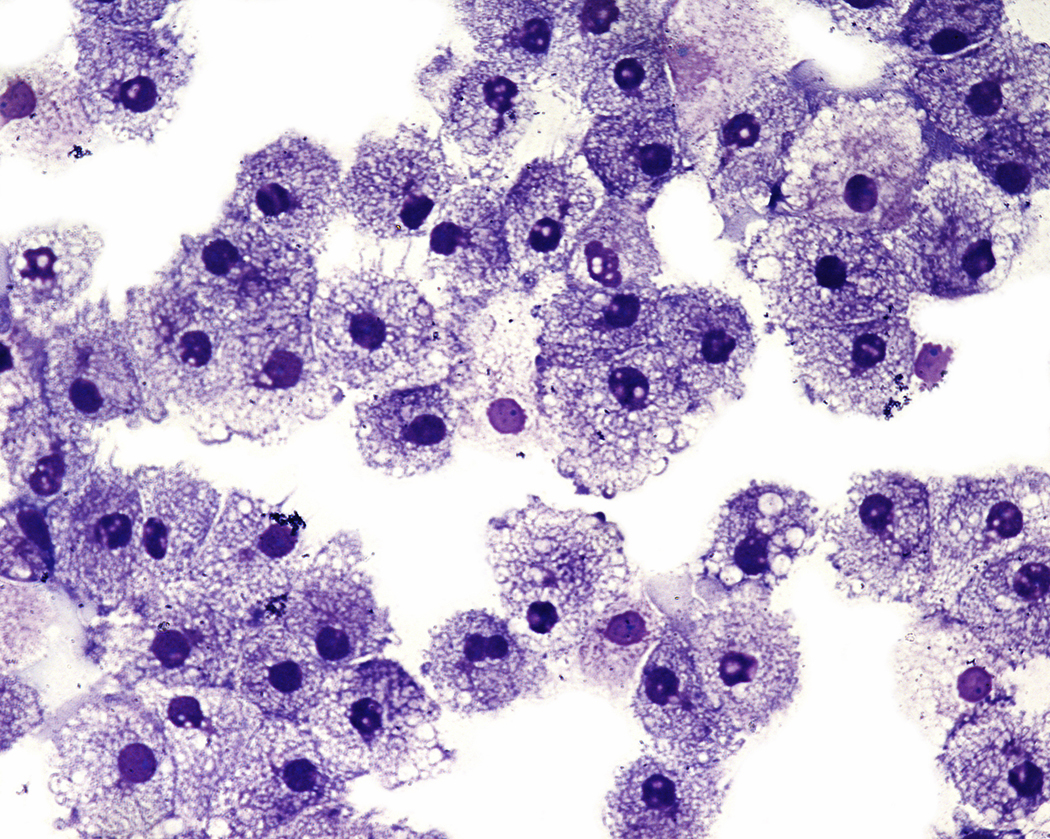
Brain cells in Parkinson's disease patients abandon the mitochondria (small cellular organs inside the cell) which provide the energy cells needs to move and divide.
This fuel shortage can create dire consequences for brain cells, according to groundbreaking new research into Parkinson's.
Boosting mitochondria in time may delay the onset of Parkinson's in patients, and saving these energy-providers for cells may even halt the disease, according to the research.
The study from Brigham and Women's Hospital and Harvard Medical School found that the basic cause of Parkinson's disease may lie in 10 gene sets related to energy production that initiate neurons in the brain to separate from their mitochondria and other similar pathways.
According to researchers, the most exciting discovery of the research is PGC-1alpha (the so-called master switch that activates hundreds of mitochondrial genes) as a new therapeutic target for early intervention in the disease.
About 5 million people have Parkinson's worldwide. The disease destroys dopamine-producing neurons in the brain, eventually causing symptoms such as tremors, muscle rigidity and slow movements.
All information on this site is provided “as-is” for informational purposes only and is not a substitute for medical advice or treatment. You should consult with a medical professional if you have any questions about your health.
More health news
 Mental Health
Stress Takes Toll in Parkinson's Disease Patients
Exhausted neurons die prematurely, trigger disease symptoms
 Clinical Trials
New Way to Block Cell Death
Enzyme c-jun-N-terminal kinase is identified for heart attack, stroke and parkinson's disease research
 Clinical Trials
Mechanism Behind Parkinson's and Gaucher Link Found
Discovery could lead to new ways to treat Parkinson's