
Blood Thinners and COVID-19
Blood thinners tied to improved outcomes for hospitalized COVID-19 patients
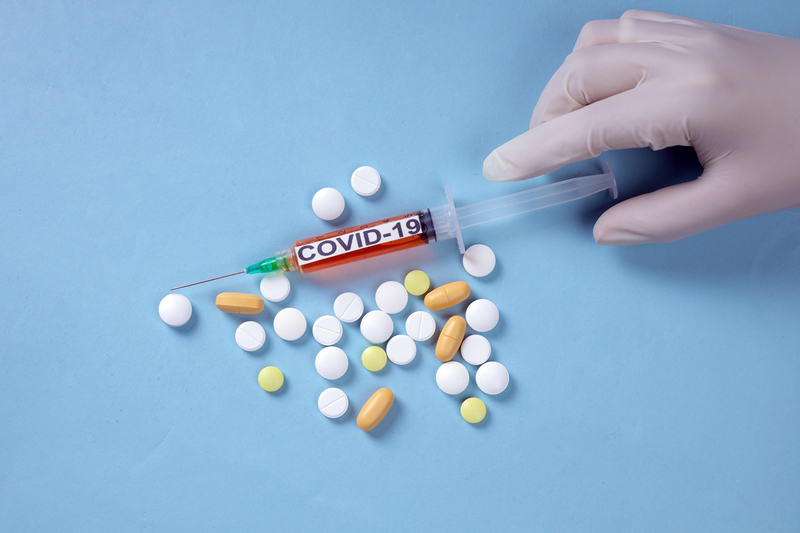
Blood-thinning medications in larger doses appeared to reduce the need for life support in patients who were hospitalized with COVID-19, a new study found.
This global clinical trial also identified a trend toward reduced death rates in patients who received full doses of anticoagulants (blood thinners). This is the subject of more research, according to the National Institutes of Health (NIH).
The NIH noted that doctors around the world saw an increase in blood clots and inflammation in patients with COVID-19 at the start of the pandemic. These issues led to increased rates of stroke, heart attacks and lung failure.
Blood thinners are often used to reduce the risk of blood clots, strokes and heart attacks. In this study, more than 1,000 patients in 300 hospitals received doses of the blood thinner heparin. These patients were moderately sick with COVID-19 and were hospitalized.
Patients who are hospitalized often receive lower doses of blood thinners to help prevent blood clots. In this study, the patients who received larger, full doses were compared with patients who received the usual, smaller dose.
The result? The patients who received full doses were less likely than those who received smaller doses to need life support interventions like ventilation.
Because so many COVID-19 patients need to be hospitalized, intensive care units can quickly become overwhelmed when too many patients need intensive interventions like life support. These findings could help to combat that problem, the NIH noted.
While these results appeared promising, the study is still in early stages. The study authors have not yet finalized and released the full results. Doctors could begin to make informed care decisions based on published and peer-reviewed results.
Your health care provider can inform you of the best available treatments for your unique case.
Multiple international organizations, universities and governments funded this research. Information on conflicts of interest was not yet available.
All information on this site is provided “as-is” for informational purposes only and is not a substitute for medical advice or treatment. You should consult with a medical professional if you have any questions about your health.
More health news
 Health News
Blood Thinners: To Continue or Not
Blood thinners taken to prevent stroke should be discussed in detail before any surgery
 Prescription Drugs
Before Cancer Surgery, Blood Thinners Appeared Safe
Blood-thinning medications before cancer surgery not tied to increased bleeding risk
 Health News
Thanksgiving Safety During COVID-19
How to stay safe this Thanksgiving while the COVID-19 pandemic continues