
New Test Detects Biomarkers for Bladder Cancer
Blood test picks up biomolecular markers for bladder cancer
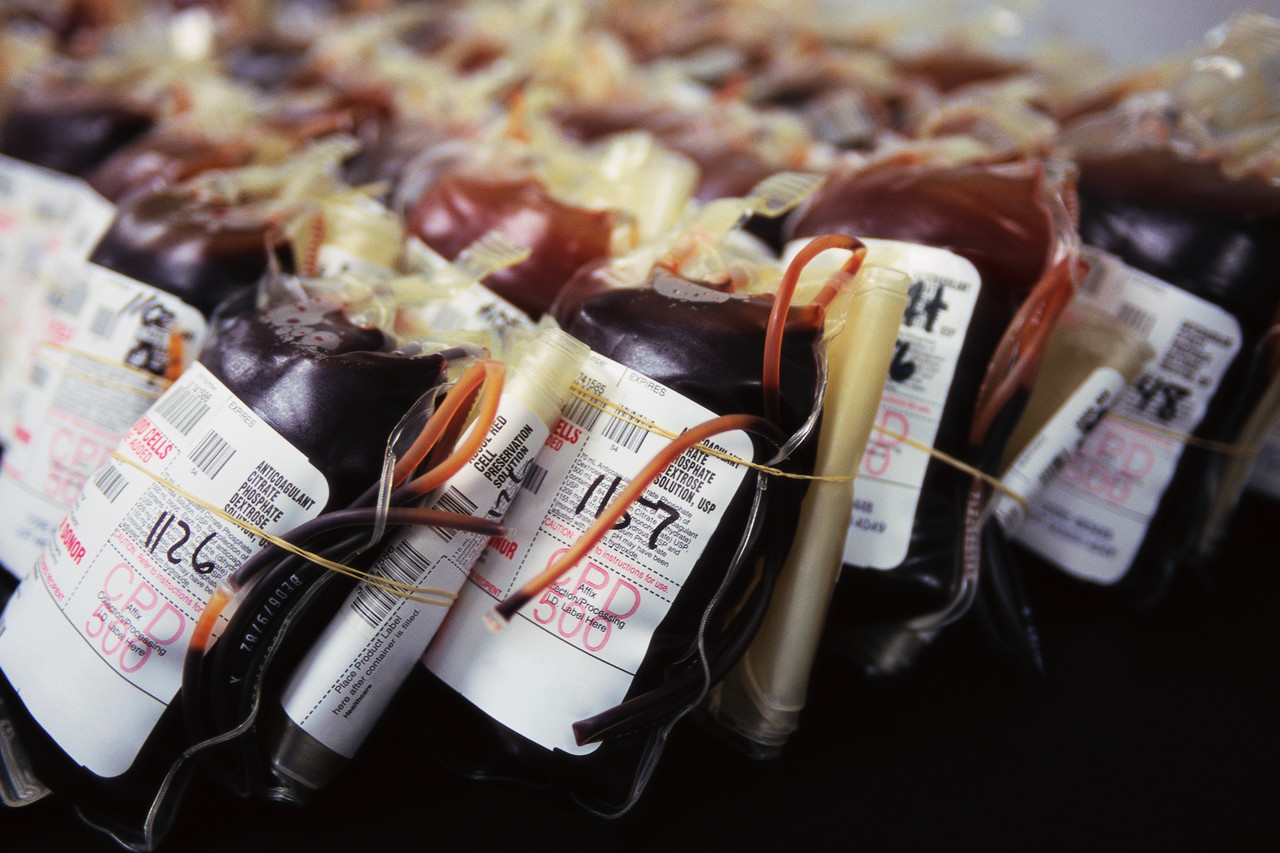
Brown University researchers have devised a blood test that can accurately detect biomolecular markers of bladder cancer.
The test measures patterns of methylation, a chemical alteration to DNA that affects which genes are expressed in cells. Methylation is affected by environmental toxins such as cigarette smoke and industrial pollutants. The patterns in methylation that emerge are associated with bladder cancer.
Carmen Marsit, assistant professor of medical science in the Department of Pathology and Laboratory Medicine at the Warren Alpert School of Medicine at Brown, said what the researchers might be measuring is an accumulation of life exposures that put individuals at risk.
Researchers studied the blood of 112 participants who had bladder cancer and 118 who did not. They found they could determine who had bladder cancer and who didn't based entirely on methylation patterns. Individuals with the methylation pattern were 5.2 times more likely to have bladder cancer than those who did not present the pattern.
Scientists could not be certain as to whether the methylation markers served as a predictor of bladder cancer or as a result of the disease since blood was drawn from patients who were already diagnosed with the condition.
Symptoms of bladder cancer include frequent urinary tract infections, pain during urination, urinating small amounts frequently and blood or blood clots in urine.
All information on this site is provided “as-is” for informational purposes only and is not a substitute for medical advice or treatment. You should consult with a medical professional if you have any questions about your health.
More health news
 Health News
Getting Rest from Bladder Issues
Nocturia and overactive bladder sleep problems
 Prescription Drugs
Botox for Your Bladder
Urination need can be quelled more with Botox injection
 Health News
Predicting the Return of Bladder Cancer
Bladder cancer recurrence may be predicted with panel of five biomarkers