
Hidden Benefits
Bisphosphonate treatment for osteoporosis may extend life
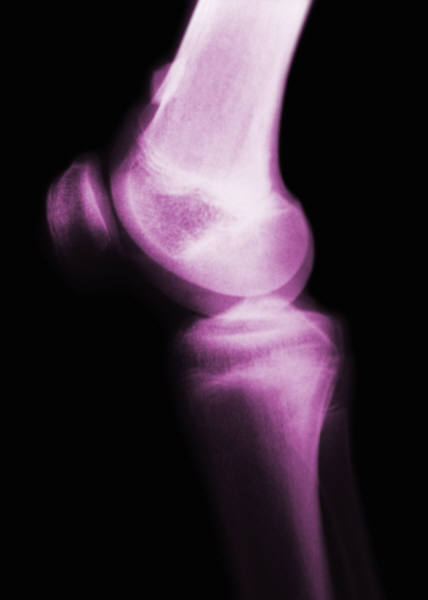
Australian researchers have found that a specific type of osteoporosis treatment may extend the life of patients, in addition to being an effective treatment for bone loss.
Associate Professor Jacqueline Center and Professor John Eisman, from the Garvan Institute of Medical Research in Sydney, compared a group of 121 people taking bisphosphonates for osteoporosis to nearly 2,000 other patients undergoing other types of osteoporosis treatment, such as vitamin D and calcium or hormone treatment.
The results were surprising to the researchers. At first, they thought they had made a mistake. Upon further investigation, they found that patients who were taking bisphosphonates had higher rates of survival compared to those receiving different treatments.
According to Professor Center, you would expect about half of women over the age of 75 with osteoporosis fractures to die within five years. However, the death rate fell to 10 percent among women in that age group who took bisphosphonates. Similarly, there were no deaths among a group of younger women who took bisphosphonates. Normally, about 20 to 25 percent of these young women would be expected to die over a five year period. The authors add that it appears that these results apply to men as well.
Professor Eisman has speculated that this increased survival rate may be due to effective osteoporosis treatment, which keeps toxic metals from leaking into the rest of the body during bone loss. However, he says that this is only conjecture, and that they have no evidence that supports his hypothesis.
This study's exciting results help support the findings of other studies, which show that osteoporosis treatment can reduce fractures and decrease mortality.
Over 40 million people in the United States are affected by osteoporosis or low bone mass, which puts them at high risk for osteoporosis. Many of these people do not know they have the condition, as symptoms do not show themselves until an accident that causes a bone to break.
The study is published in the Journal of Clinical Endocrinology and Metabolism.
All information on this site is provided “as-is” for informational purposes only and is not a substitute for medical advice or treatment. You should consult with a medical professional if you have any questions about your health.
More health news
 Prescription Drugs
Dem Bones Gonna Rise Again
Bone density drugs extend life in spite of the aging process
 Prescription Drugs
Bone Drug Isn't All Bad
Bisphosphonates may increase longevity of women with osteoporosis
 Health News
FDA Drug Safety Communication: Bisphosphonates and Esophageal Cancer
Osteoporosis drugs may lead to esophagitis, inflammation