
Mental Meds Don't Match the Chart
Benzodiazepine use in elderly psychiatric patients was not always accurately recorded
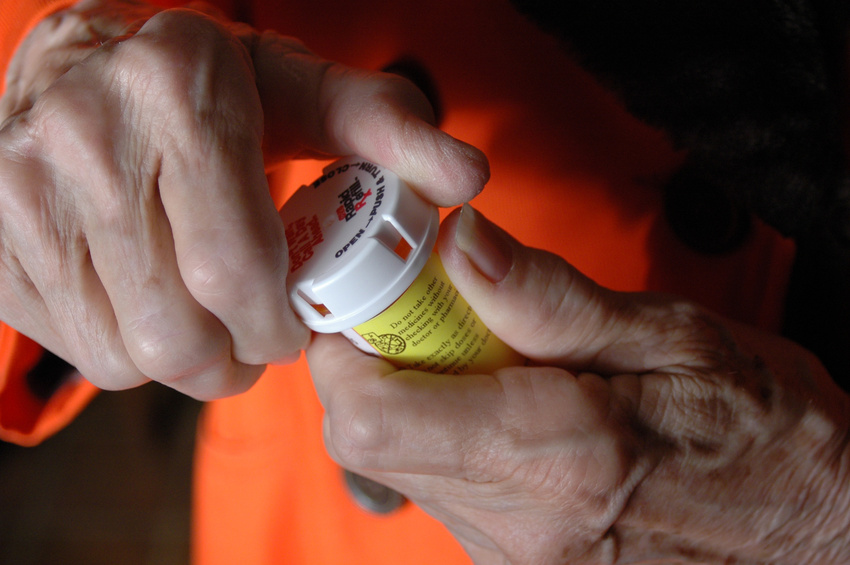
Without the correct medical information, mental health patients can miss medication doses or have bad drug interactions. According to a recent study, elderly mental health patients may be taking medications not listed in their charts.
Researchers compared the medications listed in the charts of a group of elderly psychiatric patients to the medications in their blood streams.
The results showed that one in four patients had different medications in their blood streams compared to what was listed in their charts.
The authors said inaccurate chart information about medications like benzodiazepines could cause major health problems for patients.
Ensure doctors and your pharmacist know your medicines.
Gudrun Høiseth, MD, PhD, from the Department of Geriatric Psychiatry and the Center for Psychopharmacology at Diakonhjemmet Hospital in Oslo, Norway, worked with fellow scientists to investigate the use of benzodiazepines in elderly patients.
The researchers set out to compare differences between what types and dosages of benzodiazepine medications appeared on patients' charts and what their blood samples showed they were actually taking.
While this study was done in Norway, these medications are also commonly prescribed to patients in the United States.
Benzodiazepines are psychoactive drugs that have sedative effects and can also impair memory. Commonly prescribed medications in the benzodiazepine family include:
- Diazepam, brand name Valium
- Alprazolam, brand name Xanax
- Clonazepam, brand name Klonopin
- Lorazepam, brand name Ativan
- Zolpidem, brand name Ambien
For the study, researchers examined the charts of 241 patients in the geriatric psychiatry department for benzodiazepine medications and also took blood samples from each patient to test for benzodiazepines.
Differences between benzodiazepines listed in the charts and the presence of benzodiazepines in the blood samples were calculated for each patient.
Results of the study showed that 60 percent of patients had benzodiazepine prescriptions in their charts. Blood tests showed that 24 percent of patients had different types of benzodiazepines or additional benzodiazepines in their systems than the ones listed in the chart.
Benzodiazepines were found in 10 percent of patients who did not have benzodiazepines listed in their charts.
A total of 70 percent of blood samples that were positive for diazepam were from patients who did not have a prescription for diazepam.
“This study shows that benzodiazepine use is widespread in geriatric psychiatry, but that information about the use of these drugs is very often incorrect. This may have significant clinical consequences if symptoms caused by use or abrupt cessation of benzodiazepines are misinterpreted,” said the study authors.
This study was published in February in Drugs & Aging.
No external funding was provided for this project. No conflicts of interest were declared.
All information on this site is provided “as-is” for informational purposes only and is not a substitute for medical advice or treatment. You should consult with a medical professional if you have any questions about your health.
More health news
 Mental Health
Sleep, Anxiety Meds Linked to Dementia
Dementia risk was higher for people who had taken certain sleep or anxiety drugs
 Prescription Drugs
Seniors Not Taking Benzos With Care
Benzodiazepine prescriptions that were poorly tracked resulted in hospitalizations
 Health News
High Risk Rx Awareness
Prescription medications given to senior patients often have high risk safety concerns