
A Failure to Communicate
Autistic brain might not be synchronized

Usually, the hemispheres of a child’s developing brain quickly learn to “sync” with one another. In the autistic brain, that ability is much weaker, according to a recent study.
Researchers at the University of California, San Diego’s Autism Center of Excellence and the Weizmann Institute of Science studied the brains of sleeping toddlers, finding that the left and right sides of the brain in autistic toddlers were less “synchronized,” suggesting the child will have language and communication difficulties.
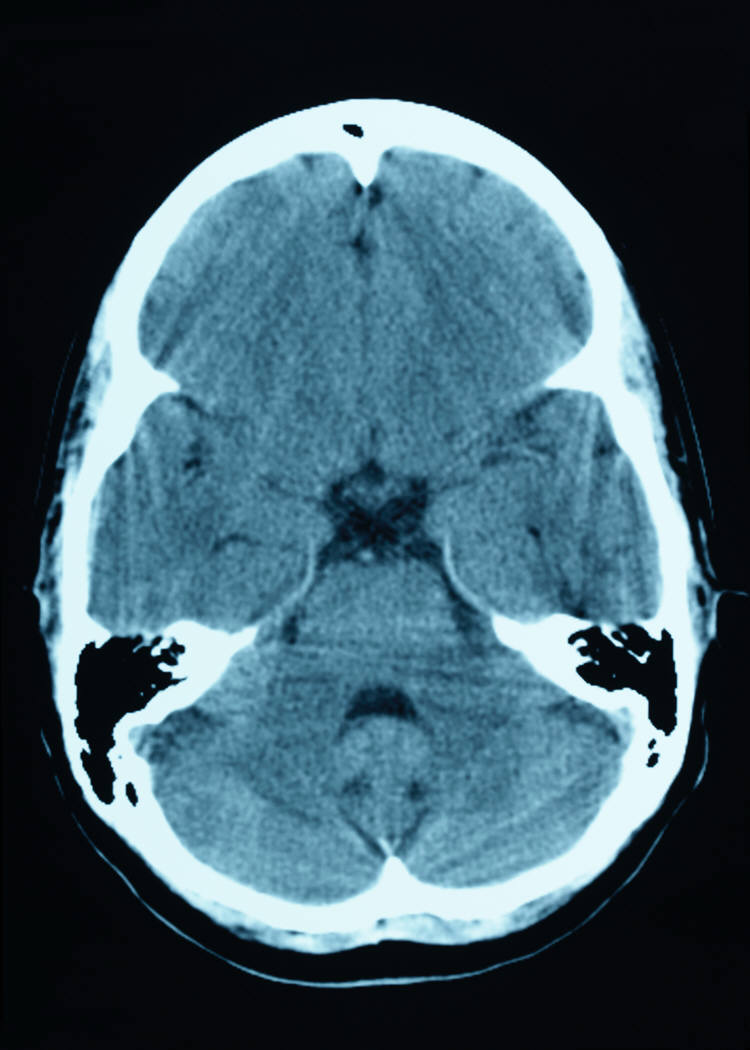
Your doctor may screen for autism using behavioral signs, or an MRI scan.
Synchronization is the coordinated timing of activity in both brain hemispheres, said Ilan Dinstein, neurobiologist at the Weizmann Institute of Science in Israel and the study’s first author.
In a normal brain, neurons in different hemispheres that are responsible for a particular function always stay in sync, even while sleeping. Not so in an autistic brain, at least in some regions.
This finding could lead to a new way to diagnose autism—using biological rather than behavioral markers. An MRI scan could help identify some children with autism, Dinstein said.
Currently, autism is usually diagnosed after age 3. This new technique might detect it earlier, researchers said. Previous research has suggested that both genetic and environmental factors play a role in autism’s development.
The study is published in the journal Neuron.
All information on this site is provided “as-is” for informational purposes only and is not a substitute for medical advice or treatment. You should consult with a medical professional if you have any questions about your health.
More health news
 Mental Health
Identifying Autism Earlier
Brain scans can detect autism in toddlers
 Mental Health
Slower Brain Growth in Autistic Children
Autistic brains grow much more slowly
 Health News
Changes in the Autistic Brain
Excess neurons may be responsible for autism