
Childhood Asthma is Hard to Predict
Atopy not as effective in predicting childhood asthma as previously believed
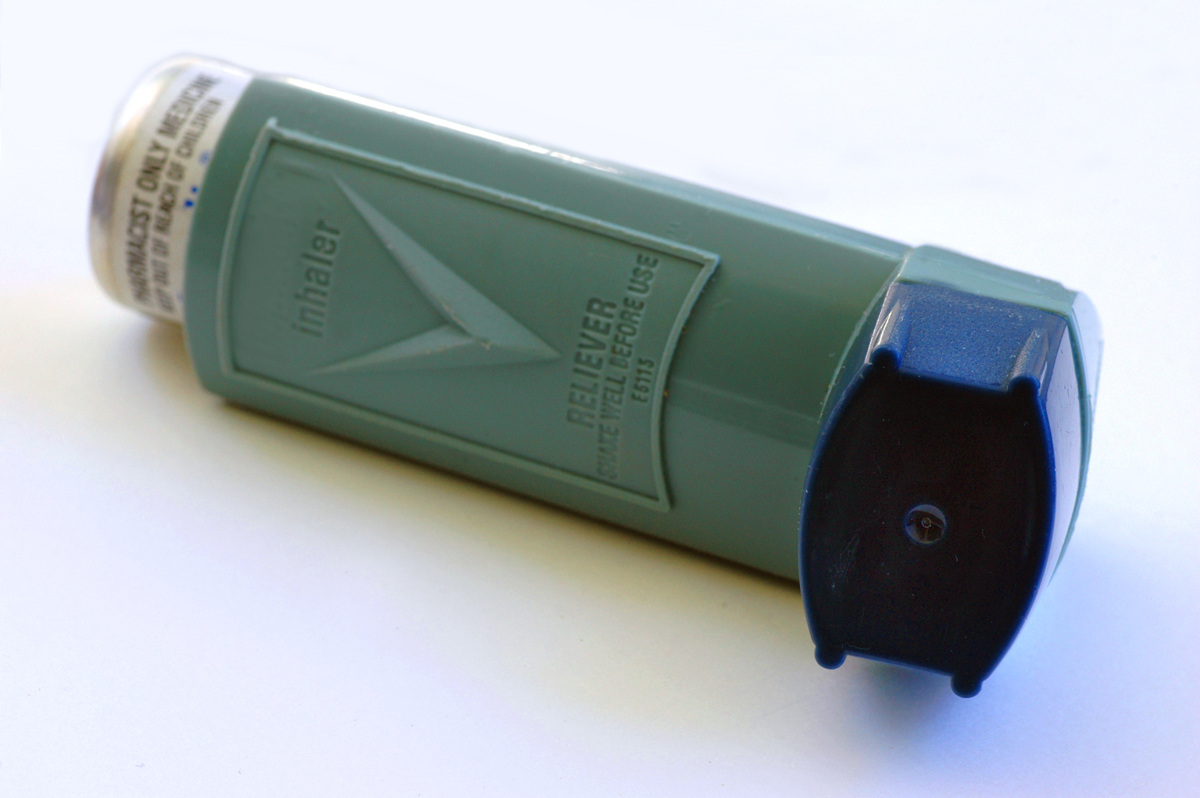
Childhood asthma continues to be a tricky thing to predict. New studies are bringing doubt to the effectiveness of using atopy, a genetic predisposition to allergic reactions, to predict asthma.
Researchers conducted two different studies to evaluate atopy as an effective predictor of allergic asthma. The first study involved 150 children who were given a skin prick test. The second study involved 100 mothers and asthmatic children to determine a connection between a mother's allergy symptoms and a child's asthma.
Both studies determined that atopy was not a strong predictor of childhood asthma.
Talk to your doctor about possible risks for childhood asthma.
Both studies were led by Salome Abbott, M.D., from the University of Pretoria in South Africa. Researchers conducted the first study using the skin prick test on 100 children with allergic asthma and 50 child who were non-atopic. The second test had 100 mothers fill out a questionnaire about possible allergy symptoms, history of asthma and demographic information such as race and age. The mothers were also given a skin prick test.
A skin prick test determines possible allergies by exposing an individual to allergy extracts. A positive reaction, such as hives, would mean the individual is hypersensitive to that allergen.
In the first study, 45 percent of children with allergic asthma tested positive to the skin prick test. Out of the 50 non-atopic children, 16 percent had a positive skin prick test. In the second study, out of 16 mothers with asthma 14 mothers had atopic children.
Maternal allergy sensitivity or symptoms that may suggest allergy sensitivity were not effective in predicting childhood asthma.
The skin prick study featured a lower than expected amount of positive skin prick tests, according to the researchers. Atopy does not occur as frequently in asthmatic children as had been previously believed by researchers and doctors.
For researchers, maternal asthma continues to be the best possible way to predict childhood asthma. Atopy, while it occurs often in asthmatic children, does not happen often enough to be a reliable predictor for childhood asthma. Future studies looking at environmental factors are needed, according to the researchers.
The study was presented at the annual meeting of the American Academy of Allergy, Asthma and Immunology and all results are considered preliminary until published in a peer-reviewed journal.
No funding information was provided. No author conflicts were reported.
All information on this site is provided “as-is” for informational purposes only and is not a substitute for medical advice or treatment. You should consult with a medical professional if you have any questions about your health.
More health news
 Health News
No Escaping Your Past
How fetuses grew in the womb influences allergies, asthma in kids, according to study
 Health News
From Baby Breaths to Childhood Wheeze
Wheezing during childhood may be related to lung function during infancy
 Health News
Outgrowing Milk Allergy
More than one-third of children outgrow milk allergy