
The Importance of Aspirin Allergy Testing
Aspirin allergy may be misdiagnosed in some cardiovascular patients
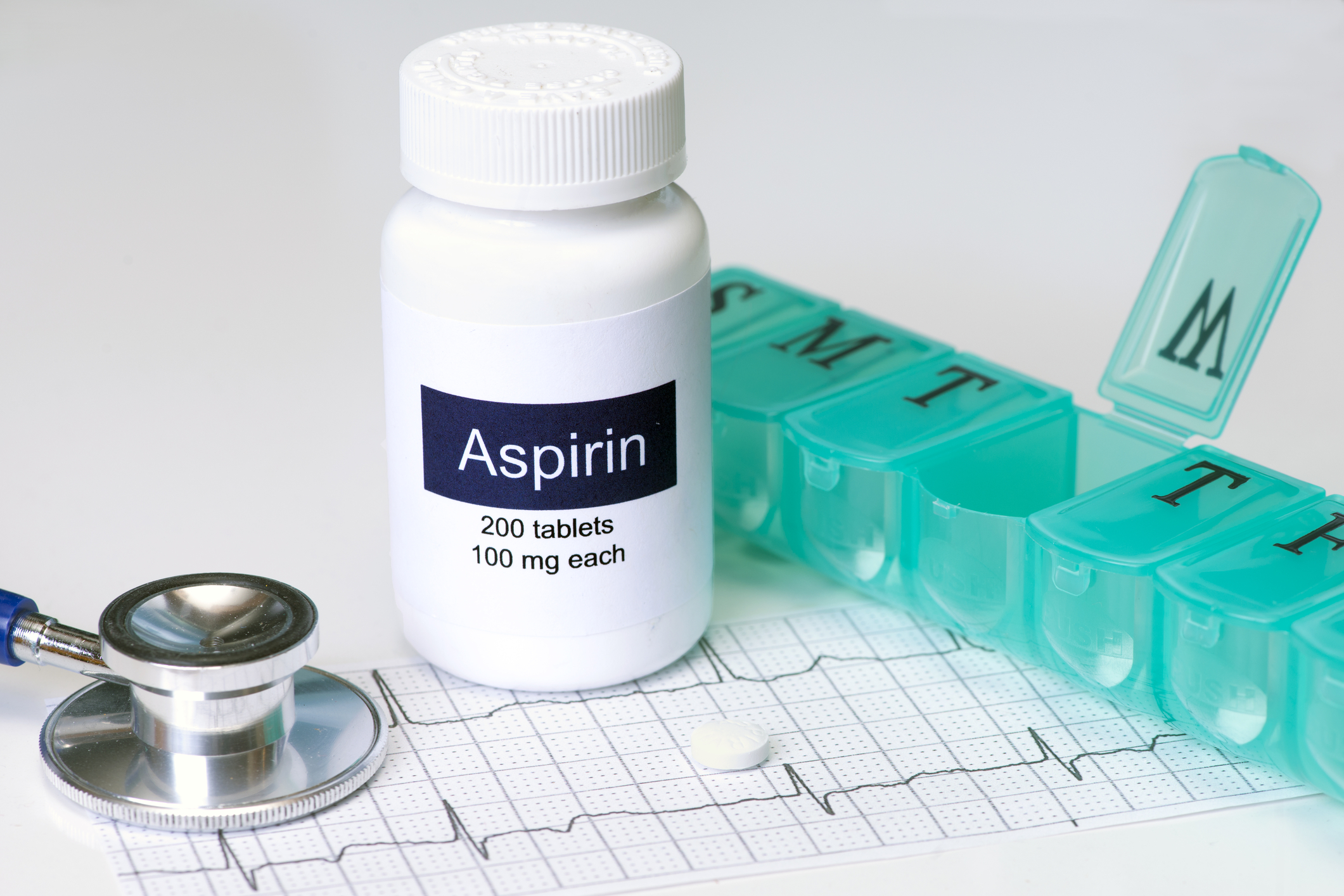
Aspirin has an impressive list of potential health benefits, but new evidence suggests that many patients are told to discontinue this low-cost, effective therapy without good cause.
A new study found that some cardiovascular patients, who previously had an adverse reaction and were told they were allergic to aspirin without formal testing by an allergist, may be unnecessarily stopping a beneficial therapy. In fact, the majority of patients studied were found to be mistakenly labeled as having an aspirin hypersensitivity.
"It's very important that, similar to penicillin, anyone thought to have an aspirin allergy be referred to an allergist for testing," said study author Sudhir Sekhsaria, MD, an allergist-immunologist and ACAAI fellow, in a press release. "In cases such as those shown in the study, patients are frequently told to discontinue aspirin therapy or are switched to another medication when there is no reason to do so."
For this study, Dr. Sekhsaria and team looked at the medical records of 5,052 patients with heart disease.
These researchers found aspirin hypersensitivity in only 2.5 percent of these patients. Hypersensitivity is an exaggerated immune response to an agent. It is not the same as a diagnosed allergy.
Patients with a history of gastrointestinal (GI) symptoms were also found to be mislabeled as having an aspirin hypersensitivity 34 percent of the time.
While one patient in this study did have a severe allergic reaction (anaphylaxis) and one patient had respiratory symptoms after aspirin therapy, skin reactions were the most common reaction reported among the rest of the patients. However, there was not proper documentation of the type of reaction that occurred in 39 percent of the cases.
Dr. Sekhsaria and team also found that none of the patients who were determined to have an actual aspirin hypersensitivity were referred to an allergist for further diagnosis and management.
This study was presented Nov. 5 at the 2015 American College of Allergy, Asthma and Immunology Annual Scientific Meeting. Research presented at conferences may not have been peer-reviewed.
Speak to a doctor or pharmacist before taking any new medication.
Information on funding sources and conflicts of interest was not available at the time of publication.
All information on this site is provided “as-is” for informational purposes only and is not a substitute for medical advice or treatment. You should consult with a medical professional if you have any questions about your health.
More health news
 Health News
A Bitter Pill to Swallow
Drug allergy symptoms rates and treatments explored
 Health News
Second-hand Smoke Linked to Asthma Complications
Childhood secondhand smoke exposure linked to AERD risk in adults
 OTC
Diabetes and Aspirin May Not Always Mix
Diabetes patients with no history of cardiovascular disease may not benefit from daily aspirin