
Keep the Memories, Beat the Tau
Alzheimers disease researchers discover link between Tau tangles and FKBP52 protein
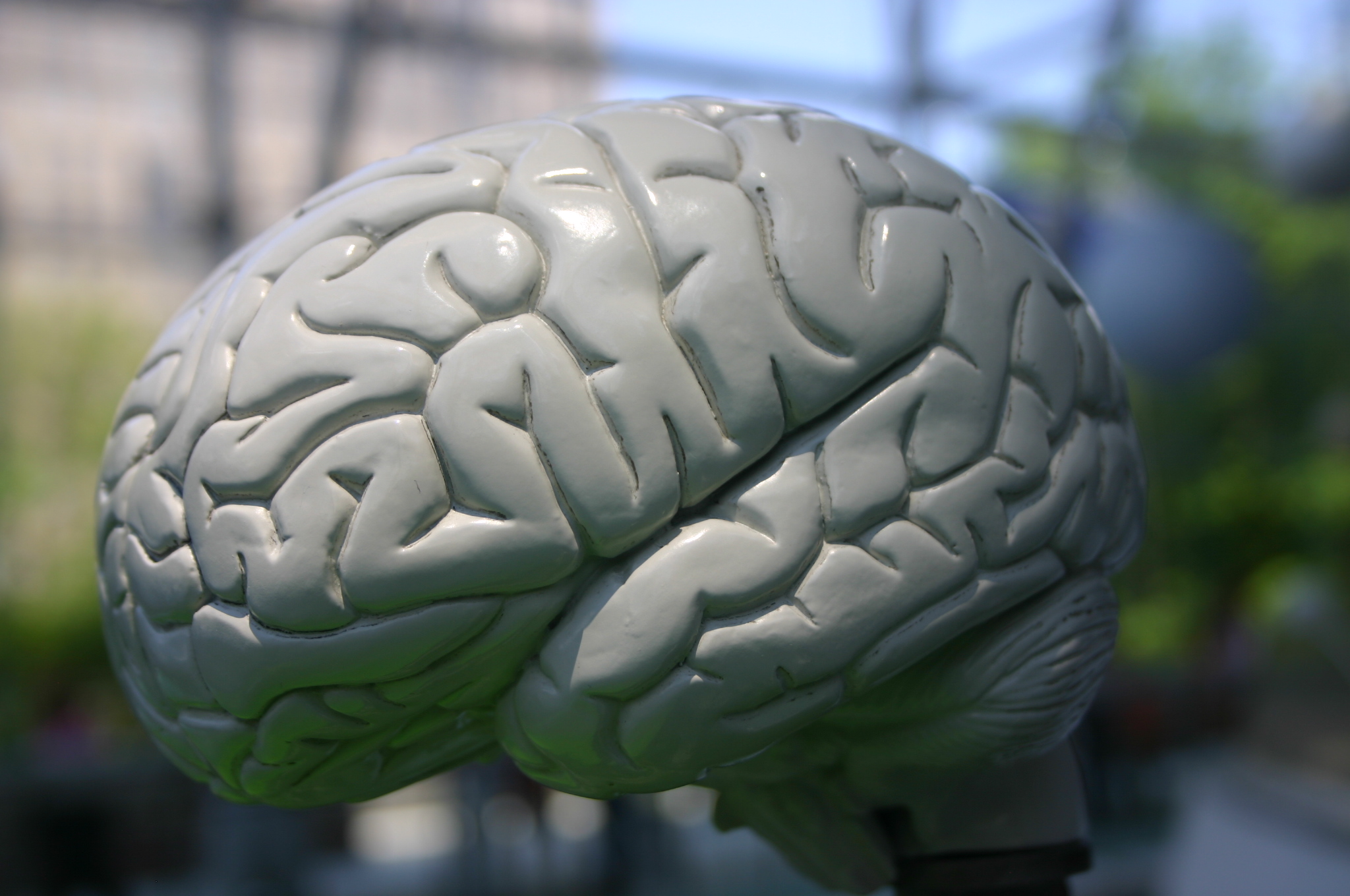
In Alzheimer’s Disease (AD), a naturally occurring protein, Tau, acts strangely and forms tangles in the brain. New research suggests that another protein, FKBP52, may have something to do with it.
Reduced levels of the FKBP52 protein in the brain have been linked to an increased number of Tau tangles. The tangles are known disrupt nerve activity and be toxic to the cognitive abilities of the brain.
Ask your neurologist how to treat the symptoms of Alzheimer’s.
“Research on Tau has been very limited,” says Etienne Baulieu, Ph.D., of the National Institute for medical research in France. “[The FKBP52 protein’s] reduced production in the brains of Alzheimer's patients marks a turning point in understanding this complex disease.”
The research team analyzed the brain cells of deceased AD patients and compared them to brain cells of those who did not have Alzheimer’s.
Those who had suffered from AD showed reduced levels of the FKBP52 protein in their brain cells. Of course, they also showed the known biomarker for Alzheimer’s - the Tau tangles.
The researchers hypothesize that the FKBP52 protein may control the production of the toxic Tau tangles. Therefore, measurement of FKBP52 levels may form the basis of a test to predict the onset of Alzheimer’s disease. It could also aid in the development of new pharmaceuticals to treat the disease.
“I believe it takes us one step closer to developing an effective treatment and possible predictive tests for the increasing number of people who may develop Alzheimer's Disease in our ageing societies," adds Baulieu.
"Alzheimer's disease was first diagnosed more than 100 years ago. Much more is understood today about this devastating disorder. However, effective therapeutic interventions currently do not exist,” explains Larry McCleary, M.D., author of Feed Your Brain, Lose Your Belly.
He continues, “By noting an inverse association between levels of FKBP52 protein and hyperphosphorylated Tau in post mortem AD brains a potential new research avenue has been exposed. Such research may provide additional insights into the etiologic factors behind the development of AD and allow for the development of innovative new treatments."
The study was published online March 20, 2012 in the Journal of Alzheimer's Disease and was funded by the Institut Baulieu, which was founded by Baulieu himself.
All information on this site is provided “as-is” for informational purposes only and is not a substitute for medical advice or treatment. You should consult with a medical professional if you have any questions about your health.
More health news
 Mental Health
Battle of the Brain Trauma
CTE stages better defined after studying donated brains of former athletes and veterans
 Health News
Diet, Exercise and Alzheimer's Risk
Alzheimer's-related plaque buildup may be prevented with healthy diet, exercise
 Health News
What Seafood Could Do for Dementia Risk
Seafood consumption may reduce Alzheimer’s disease risk for the genetically predisposed