
Vulvar Cancer
Vulvar cancer is a rare type of cancer.
OncologyOverview
Vulvar cancer is a rare type of cancer. It forms in a woman's external genitals, called the vulva, which includes the clitoris, the vaginal lips, the opening to the vagina, and the surrounding skin and tissue. The cancer usually grows slowly over several years. First, precancerous cells grow on vulvar skin. This is called vulvar intraepithelial neoplasia (VIN) or dysplasia. Not all VIN cases turn into cancer, but it is best to treat it early.
Most vulvar cancers are squamous cell carcinoma. This type of cancer begins in squamous cells (thin, flat skin cells) and is usually found on the vaginal lips.
A small number of vulvar cancers are adenocarcinomas (cancers that begin in cells that make mucus and other fluids). This type of cancer is usually found on the sides of the vaginal opening.
Often, vulvar cancer does not cause symptoms at first. However, see your doctor for testing if you notice a lump in the vulva, vulvar itching or tenderness, bleeding that is not your period, or changes in the vulvar skin, such as color changes or growths that look like a wart or ulcer.
You are at greater risk of developing vulvar cancer if you have had a human papillomavirus (HPV) infection or have a history of genital warts. Vaccines that protect against infection with HPV may reduce the risk of vulvar cancer. Your health care provider diagnoses vulvar cancer with a physical exam and a biopsy. Treatment for vulvar cancer may include surgery, radiation therapy, and chemotherapy.
Symptoms
- itching that does not go away
- pain and tenderness
- bleeding that is not from menstruation
- skin changes, such as color changes or thickening
- a lump, wart-like bumps or an open sore (ulcer)
Causes & risk factors
The cause of vulvar cancer is not clear. In general, cancer begins when healthy cells acquire a genetic change (mutation) that causes them to turn into abnormal cells.
Healthy cells grow and multiply at a set rate, eventually dying at a set time. Cancer cells grow and multiply out of control, and they do not die. The accumulating abnormal cells form a mass (tumor). Cancer cells invade nearby tissues and can break off from a tumor to spread (metastasize) to other places in the body.
While it is not clear exactly what causes vulvar cancer, but HPV plays a role. HPV is a sexually transmitted infection that increases the risk of several cancers, including vulvar cancer and cervical cancer. Many young, sexually active women are exposed to HPV, but for most the infection goes away on its own. For some, the infection causes cell changes and increases the risk of cancer in the future. HPV is very common, and most women with the virus never develop vulvar cancer. This means other factors — such as your environment or your lifestyle choices — also determine whether you will develop vulvar cancer.
Risk factors for vulvar cancer include:
- increasing age. The risk of vulvar cancer increases with age, though it can occur at any age. The average age at diagnosis is 65.
- smoking. Smoking cigarettes increases the risk of vulvar cancer.
- being infected with the human immunodeficiency virus (HIV). This sexually transmitted virus weakens the immune system, which may make you more susceptible to HPV infections, thereby increasing your risk of vulvar cancer.
- having a history of precancerous conditions of the vulva. Vulvar intraepithelial neoplasia is a precancerous condition that increases the risk of vulvar cancer. Most women with vulvar intraepithelial neoplasia will never develop cancer, but a small number do go on to develop invasive vulvar cancer. For this reason, your doctor may recommend treatment to remove the area of abnormal cells and periodic follow-up checks.
- having a skin condition involving the vulva. Lichen sclerosus, which causes the vulvar skin to become thin and itchy, increases the risk of vulvar cancer.
When to get help
See your doctor for a lump, sore, or thickened or discolored patch on the vulva, or ongoing itching, pain, or bleeding not related to your period. Have changes that last more than a couple of weeks checked.
Related health news
 Features
An Intimate Cancer
Vulvar cancer has symptoms women should not ignore
 FDA Approvals
FDA Approves Vaccine to Prevent Anal Cancer
Gardasil can be used to prevent anal cancer, in addition to other HPV-related cancers
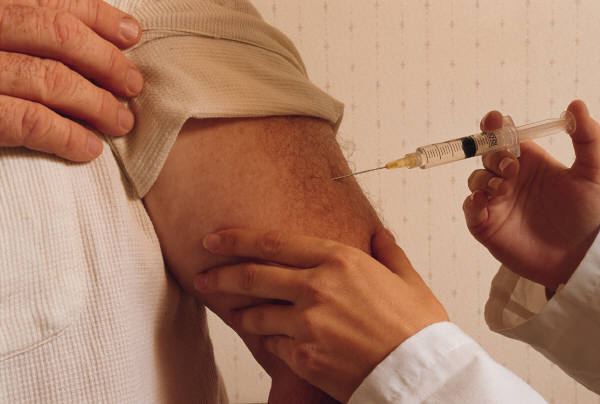 FDA Approvals
Gardasil Approved Prevent Genital Warts in Men and Boys
Gardasil Approved Prevent Genital Warts in Men and Boys
All information on this site is provided “as-is” for informational purposes only and is not a substitute for medical advice or treatment. You should consult with a medical professional if you have any questions about your health.