
Von Willebrand disease
Von Willebrand disease (VWD) is the most common inherited bleeding disorder.
Blood disordersOverview
Von Willebrand disease (VWD) is the most common inherited bleeding disorder.
Von Willebrand factor helps blood platelets form clumps and stick to the blood vessel wall, which is essential in the normal blood clotting process. Von Willebrand disease is caused by a deficiency of von Willebrand factor.
There are many types of von Willebrand disease. The three major types of VWD are called type 1, type 2, and type 3.
- Type 1: Type 1 VWD is classified as having low levels of von Willebrand factor and low levels of factor VIII. Type 1 is the mildest and most common form of VWD.
- Type 2: Type 2 VWD is classified when the von Willebrand factor does not work well. Type 2 is divided into subtypes: 2A, 2B, 2M, and 2N. Each type is caused by different gene mutations (changes), and each type is treated differently.
- Type 3: Type 3 is the most serious form of VWD. Type 3 VWD is classified as no von Willebrand factor and low levels of factor VIII. Type 3 is very rare.
Von Willebrand disease (VWD) occurs in about 1 out of every 100 to 1,000 people. VWD affects both males and females.
Most people who have VWD have type 1, which is the mild form. About 3 out of 4 people who have VWD have type 1. This type usually does not cause life-threatening bleeding. Treatment may only be required in certain situations such as surgery, tooth extraction, or trauma. Treatment may include certain medications and medical therapies.
For those people who have the severe forms of VWD, emergency treatment to stop bleeding, may be required.
Early diagnosis is important. With the proper treatment plan, even people who have type 3 VWD can live normal, active lives.
Symptoms
- Heavy or prolonged menstrual bleeding
- Bleeding of the gums
- Bruising
- Nosebleeds
- Skin rash
- Blood in the stools
- Blood in your urine
- Heavy bleeding after a cut
- Heavy bleeding after a surgery
Causes & risk factors
Von Willebrand disease (VWD) is almost always passed from parents to children though genes.
- Type 1 and Type 2 can be inherited if only one of your parents passes the gene on to you.
- Type 3 may can be inherited if both of your parents pass the gene on to you.
Although some people who have the genes VWD, may not exhibit any symptoms. However, they still can pass the genes on to their children.
Some people get VWD later in life as a result of other medical conditions. This type of VWD is called acquired von Willebrand syndrome.
When to get help
Talk with your doctor if you have frequent nosebleeds, easy bruising, heavy periods, or prolonged bleeding from minor cuts or after dental work. Tell providers before surgery or procedures, and seek urgent care for bleeding you cannot stop.
Related health news
 FDA Approvals
FDA Approves New von Willebrand Rx
Vonvendi, von Willebrand factor (Recombinant), approved to treat von Willebrand disease
 Clinical Trials
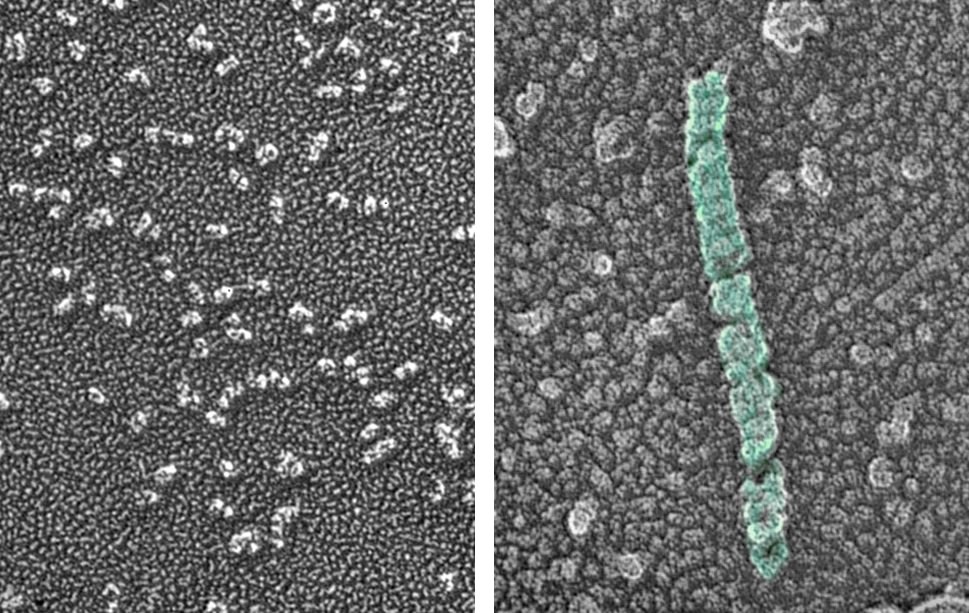
Clues to Blood Clotting
Blood clotting disorder von Willebrand Disease discovery
 FDA Approvals
New Rx Treats Most Common Inherited Bleeding Disorder
Vonvendi, von Willebrand factor (Recombinant), FDA-approved to treat von Willebrand disease
All information on this site is provided “as-is” for informational purposes only and is not a substitute for medical advice or treatment. You should consult with a medical professional if you have any questions about your health.