
Tuberculosis
Tuberculosis (TB) is caused by a bacterium called Mycobacterium tuberculosis.
Infectious diseaseOverview
Tuberculosis (TB) is caused by a bacterium called Mycobacterium tuberculosis. The bacteria usually attack the lungs, but TB bacteria can attack any part of the body such as the kidney, spine, and brain. If not treated properly, TB disease can be fatal.
TB spreads through the air when a person with TB of the lungs or throat coughs, sneezes, or talks. TB is not spread by shaking someone's hand, sharing food or drink, touching bed linens or toilet seats, sharing toothbrushes, or kissing.
Your body may harbor the bacteria that cause TB, but you may not get sick. For this reason, there are two distinct types of TB: latent TB and active TB. In latent TB, you have a TB infection, but the bacteria remain in your body in an inactive state and cause no symptoms. Latent TB, also called inactive TB or TB infection, is not contagious. It can turn into active TB, so treatment is important for the person with latent TB and to help control the spread of TB in general. Active TB makes you sick and can spread to others. It can occur in the first few weeks after infection with the TB bacteria, or it might occur years later. You are more likely to contract TB, and have an active form of the disease, if you have a weak immune system.
Many strains of tuberculosis resist the drugs most used to treat the disease. People with active tuberculosis must take several types of medications for many months to eradicate the infection and prevent development of antibiotic resistance.
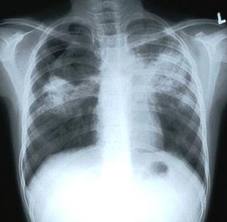
Skin tests, blood tests, x-rays, and other tests are used to diagnose TB. If not treated properly, TB can be fatal. Usually, TB can be cured by taking several medicines for a long period of time.
Symptoms
- a bad cough that lasts 3 weeks or longer
- weight loss
- loss of appetite
- coughing up blood or mucus
- weakness or fatigue
- fever
- night sweats
- chills
- chest pain, or pain when breathing or coughing
Causes & risk factors
TB is caused by bacteria that spread from person to person through microscopic droplets released into the air. This can happen when someone with the untreated, active form of tuberculosis coughs, speaks, sneezes, spits, laughs, or sings.
Although TB is contagious, it is not easy to catch. You are much more likely to get TB from someone you live with or work with than from a stranger. Most people with active TB who have had appropriate drug treatment for at least two weeks are no longer contagious.
When to get help
See your doctor for a cough lasting more than three weeks, coughing up blood, night sweats, fever, or unexplained weight loss, especially after exposure to someone with TB. Testing and treatment protect you and prevent spread.
Related health news
 FDA Alerts
FDA Proposes Lower Risk Classification for Tuberculosis Testing
Lower classification supports CDC recommendations
 Health News
FDA Permits Marketing of First US Test Labeled for Simultaneous Detection of Tuberculosis Bacteria and Resistance to the Antibiotic Rifampin
Xpert MTB RIF Assay to detect tuberculosis and bacteria resistant to rifampin
 Health News
Pregnancy Increases Risk for Tuberculosis
TB rates higher for pregnant and postpartum women
All information on this site is provided “as-is” for informational purposes only and is not a substitute for medical advice or treatment. You should consult with a medical professional if you have any questions about your health.