
Tobacco Addiction
Tobacco is a plant grown for its leaves, which are smoked, chewed, or sniffed.
Mental healthOverview
Tobacco is a plant grown for its leaves, which are smoked, chewed, or sniffed. Tobacco contains a chemical called nicotine, which is an addictive substance. Research suggests that nicotine is as addictive as heroin, cocaine, or alcohol.
In general, addiction is a chronic brain disease that causes a person to compulsively use a substance or engage in an activity despite the harm it causes to the person’s life, relationships, responsibilities, or health. Addictions can involve drugs, alcohol, gambling, sex, food, and internet use, among other behaviors. An addiction can be physical – when the body actually adapts to the presence of a substance - or psychological – when the behavior is associated with stress or emotional states and not biological changes to the brain or body.
Most tobacco users are dependent on nicotine, and nicotine dependence is the most common form of chemical dependence in the United States. Both smoking and smokeless tobacco use carry many health risks, including cancer, stroke, and heart disease.
Quitting tobacco use is difficult and may require multiple attempts. Examples of nicotine withdrawal symptoms that you may experience while trying to quit tobacco use include irritability, anxiety, difficulty concentrating, insomnia, restlessness, and increased appetite. Medications are available that reduce these withdrawal symptoms while you quit using tobacco.
Symptoms
- you cannot stop using tobacco products or you have made one or more serious, but unsuccessful, attempts to stop
- when you try to stop using tobacco, you experience withdrawal symptoms, such as strong cravings, anxiety, irritability, restlessness, difficulty concentrating, depressed mood, frustration, anger, increased hunger, insomnia, constipation or diarrhea
- you keep using tobacco despite health problems
- you give up social or recreational activities in order to smoke or use tobacco
Causes & risk factors
There are no specific causes of addiction. There is no way to accurately predict who will become dependent on the use of a substance or activity.
Any substance or activity that is pleasurable can become an addiction by impacting the reward, motivation, and memory pathways of the brain.
Nicotine is the chemical in tobacco that keeps you smoking or using other tobacco-containing products. Nicotine is very addictive, especially when delivered to the lungs by inhaling tobacco smoke. It increases the release of brain chemicals called neurotransmitters, which help regulate mood and behavior. One of these neurotransmitters is dopamine, which may improve your mood and activate feelings of pleasure. Experiencing these effects from nicotine in tobacco is what makes tobacco so addictive.
When to get help
Ask your pharmacist or doctor about quit-smoking support, including counseling and medications that ease cravings and withdrawal. Help significantly improves your chances of quitting for good.
Related health news
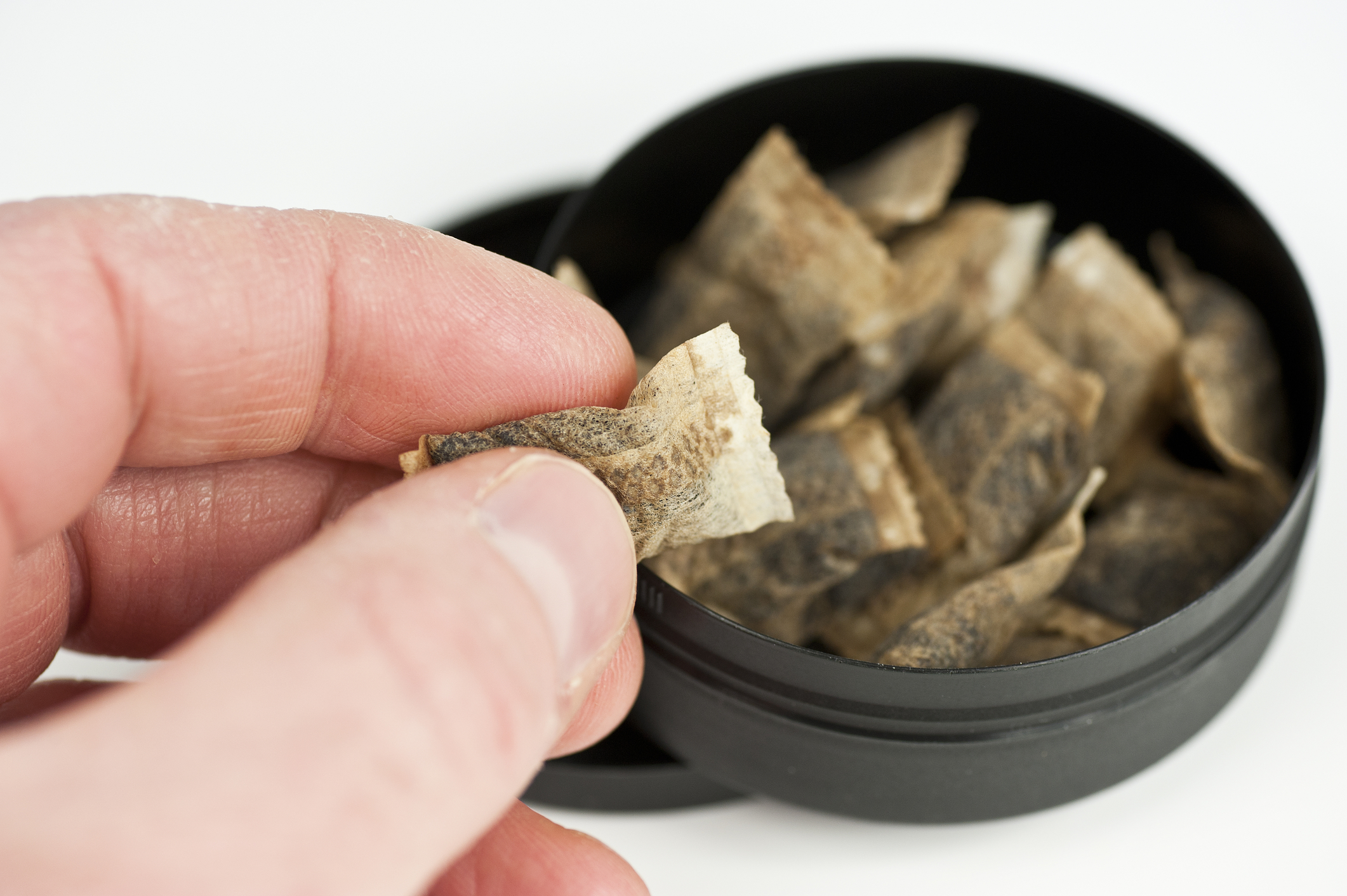 Health News
Why Snuff May Be More Toxic Than Smokes
Carcinogen, nicotine exposure may be higher among smokeless tobacco users than among smokers
 Health News
FDA Targets Smokeless Tobacco in Rural Areas
Smokeless tobacco more prevalent in rural America, according to FDA campaign
 Mental Health
To Smoke or To Dip?
Tobacco addiction may be equal for smokers or users of smokeless tobacco
All information on this site is provided “as-is” for informational purposes only and is not a substitute for medical advice or treatment. You should consult with a medical professional if you have any questions about your health.