
Sarcoidosis
Sarcoidosis is a disease that leads to inflammation of the lymph nodes, lungs, liver, eyes, skin, or other tissues.
RespiratoryOverview
Sarcoidosis is a disease that leads to inflammation of the lymph nodes, lungs, liver, eyes, skin, or other tissues.
Sarcoidosis can affect almost any organ of the body. It most commonly affects the lungs.
Patients with sarcoidosis may not exhibit any symptoms. The signs and symptoms of sarcoidosis vary depending on which organs are affected. Signs and symptoms also may vary depending on your gender, age, and ethnic background.
The cause of sarcoidosis is not known. However, there may be more than one factor that may play a role in causing sarcoidosis.
There is not a cure for sarcoidosis, but several steps can be taken to manage the disease.
Sarcoidosis symptoms will often get better without any treatment. If treatment is needed, there are several medications which can be given to help manage certain symptoms.
Eat a healthy diet and remaining physically active are important when living with sarcoidosis.
Symptoms
- Chest pain
- Dry cough
- Shortness of breath
- Wheezing
- Fatigue
- Fever
- Bone and Joint pain
- Loss of weight
- Loss of hair
- Rash
- Scars that become raised or inflamed
- Lumps on the skin or discolored skin (tend to appear on your back, arms, legs, and scalp. Sometimes they appear near the nose or eyes)
- Lupus pernio. (Disfiguring skin sores that may affect the nose, nasal passages, cheeks, ears, eyelids, and fingers)
- Headache
- Seizures
- Weakness on one side of the face
- Eye Burning
- Eye discharge
- Dry eyes
- Itchy eyes
- Eye pain
- Vision loss
- Depression
- Night sweats
- Anemia
- Swollen lymph nodes
- Fever. Occurs in some people.
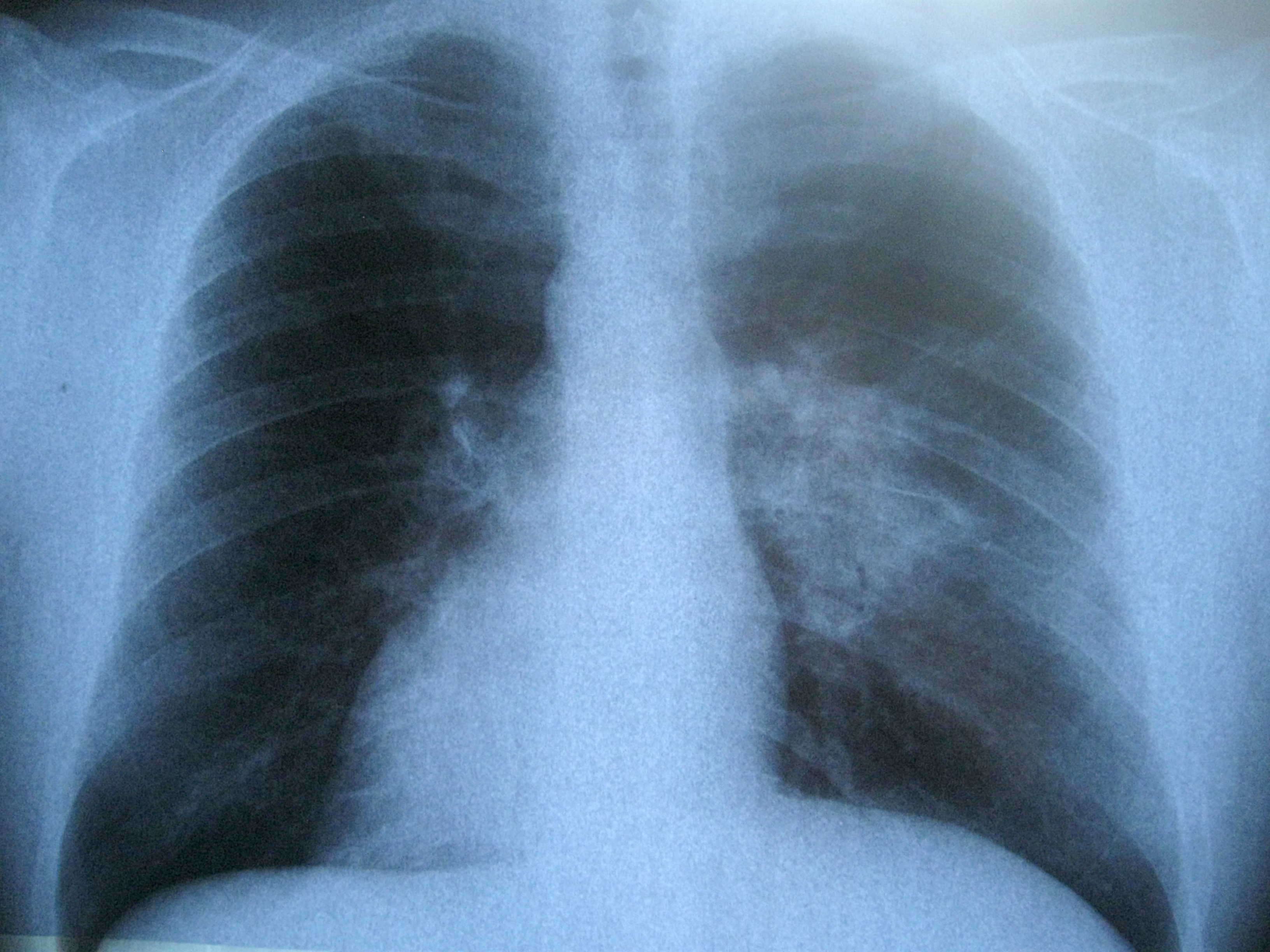
- Enlarged lymph nodes (which can be seen on a chest x ray).
- Arthritis, usually in the ankles. This symptom is more common in men than women.
- Erythema nodosum. This is a rash of red or reddish-purple bumps on your ankles and shins. The rash may be warm and tender to the touch. This symptom is more common in women than men.
Causes & risk factors
The cause of sarcoidosis is not known. However, there may be more than one factor that may play a role in causing sarcoidosis.
Some researchers believe sarcoidosis develops if your immune system responds to certain triggers such as bacteria, viruses, dust, or chemicals.
Others believe genes may play in role in developing sarcoidosis.
Risk factors may include:
- Ethnic background. Sarcoidosis is more common in African-Americans and Caucasians of Scandinavian heritage.
- Gender. More women than men have sarcoidosis.
- Age. Sarcoidosis often begins between ages 20 and 40. Sarcoidosis is rare in young children.
- Genetic. A person with a close blood relative who has sarcoidosis is nearly five times as likely to develop the condition.
When to get help
See your doctor for a persistent dry cough, shortness of breath, fatigue, or skin or eye changes. Seek prompt care for chest pain, severe breathlessness, or vision changes, and keep regular follow-up since it can affect many organs.
Related health news
 Health News
Spreading Sarcoidosis Awareness
Sarcoidosis awareness month and risk factors for the disease
 Health News
New Guidelines for Sjögren's Syndrome
Sjogren's syndrome gets new guidelines to improve diagnosis and research
 Health News
Better Scope for Lung Disease Diagnosis
Sarcoidosis is better visualized with ultrasound based endoscope as compared to bronchoscopy
All information on this site is provided “as-is” for informational purposes only and is not a substitute for medical advice or treatment. You should consult with a medical professional if you have any questions about your health.