
Psoriasis
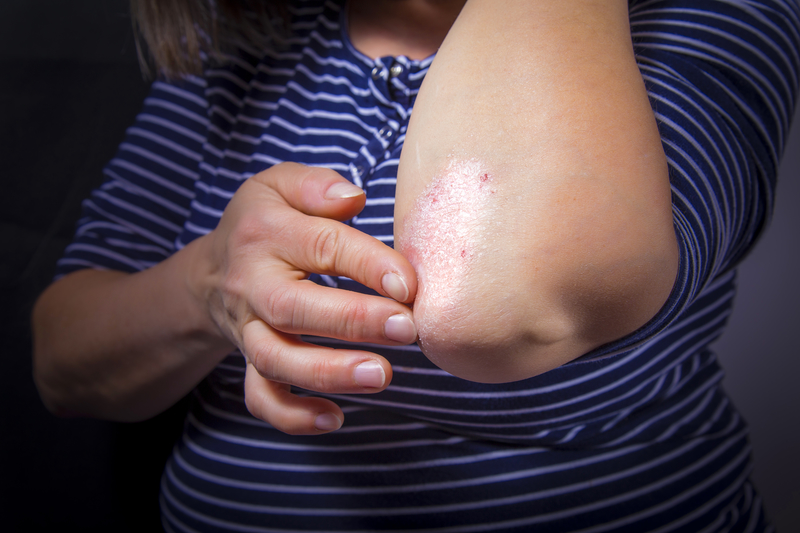
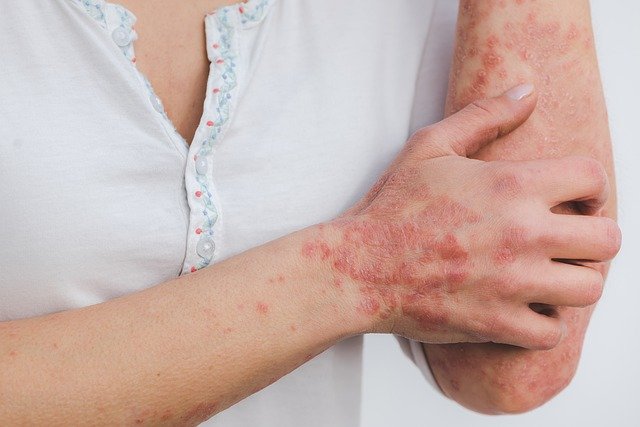
Psoriasis is an autoimmune disease that causes raised, red, scaly patches to appear on the skin.
DermatologyOverview
Psoriasis is an autoimmune disease that causes raised, red, scaly patches to appear on the skin.
It typically affects the outside of the elbows, knees, or scalp, though it can appear on any location. Psoriasis is associated with other serious health conditions, such as diabetes, heart disease, and depression. Some people who have psoriasis also get a form of arthritis called psoriatic arthritis.
Several types of psoriasis exist. These include:
plaque psoriasis
nail psoriasis
scalp psoriasis
guttate psoriasis, which primarily affects young adults and children and is characterized by small, water-drop-shaped sores on the trunk, arms, legs and scalp
inverse psoriasis, which mainly affects the skin in the armpits, in the groin, under the breasts, and around the genitals
pustular psoriasis, which is an uncommon form of psoriasis that is characterized by pus-filled blisters
erythrodermic psoriasis, which is the least common type of psoriasis and is characterized by a red, peeling rash that can itch or burn intensely
In psoriasis, the life cycle of skin cells changes. Psoriasis causes cells to build up rapidly on the surface of the skin. The extra skin cells form the thick, silvery scales and itchy, dry, red patches that are sometimes painful.
Men and women develop psoriasis at equal rates. Psoriasis also occurs in all racial groups, but at varying rates. About 1.9% of African-Americans have psoriasis, compared to 3.6% of Caucasians.
Psoriasis often develops between the ages of 15 and 35, but it can develop at any age. About 10% to 15% of those with psoriasis get it before age 10. Some infants have psoriasis, although this is considered rare.
Psoriasis is a persistent, long-lasting (chronic) disease. There may be times when psoriasis symptoms get better and other times when the psoriasis symptoms worsens. Psoriasis can be hard to diagnose because it can look like other skin diseases.
There is no cure for psoriasis, but creams, medications, and light therapy may offer significant symptom relief.
Symptoms
- red patches of skin covered with silvery scales
- small scaling spots (commonly seen in children)
- dry, cracked skin that may bleed
- itching, burning or soreness
- thickened, pitted or ridged nails
- swollen and stiff joints
- infections
- stress
- dry skin
- certain medicines
Causes & risk factors
The cause of psoriasis is not fully understood, but the immune system and genetics play major roles in its development. Usually, something triggers psoriasis to flare. The skin cells in people with psoriasis grow at an abnormally fast rate, which causes the buildup of psoriasis lesions.
Psoriasis is not contagious and psoriasis lesions are not infectious.
Anyone can develop psoriasis, but several factors can increase your risk of developing the disease including:
- family history
- viral and bacterial infections such as HIV and recurrent strep throat
- stress
- obesity
- smoking
When to get help
See a doctor or dermatologist if scaly, itchy patches are widespread, painful, or not improving with over-the-counter care. Also mention any joint pain or stiffness, which can signal psoriatic arthritis.
Related health news
 Features
New Psoriasis Hope
Psoriasis protein could be key to improved treatment
 Health News
Psoriasis: Things to Know
Everything you need to know about psoriasis
 Health News
Psoriasis 101
Here's everything you need to know for Psoriasis Awareness Month
All information on this site is provided “as-is” for informational purposes only and is not a substitute for medical advice or treatment. You should consult with a medical professional if you have any questions about your health.