
Post Traumatic Stress Disorder (PTSD)
Post-traumatic stress disorder (PTSD) is a mental health condition that is triggered by a terrifying event such as mugging, rape, torture, being kidnapped or held captive, child abuse, car accident…
Mental healthOverview
Post-traumatic stress disorder (PTSD) is a mental health condition that is triggered by a terrifying event such as mugging, rape, torture, being kidnapped or held captive, child abuse, car accidents, train wrecks, plane crashes, bombings, or natural disasters such as floods or earthquakes. PTSD was first brought to public attention in relation to war veterans.
The person who develops PTSD may have been the one who was harmed, the harm may have happened to a loved one, or the person may have witnessed a harmful event that happened to loved ones or strangers. Many people who go through traumatic events have difficulty adjusting and coping for a while, but they do not have PTSD. With time and good self-care, they usually get better. But if the symptoms get worse or last for months or even years and interfere with daily functioning, they may have PTSD.
Symptoms of PTSD may include flashbacks, nightmares, and severe anxiety, as well as uncontrollable thoughts about the event. PTSD makes people feel stressed and afraid after the danger is over. It affects the life of the people around the person with PTSD. Symptoms of PTSD make it hard to go about daily life, go to school or work, be with friends, and take care of important tasks.
Getting effective treatment after PTSD symptoms develop can be critical to reduce symptoms and improve function. PTSD is often accompanied by depression, substance abuse, or one or more of the other anxiety disorders.
Symptoms
- recurrent, unwanted distressing memories of the traumatic event
- reliving the traumatic event as if it were happening again (flashbacks)
- upsetting dreams about the traumatic event
- severe emotional distress or physical reactions to something that reminds you of the event
- bad dreams
- frightening thoughts
- trying to avoid thinking or talking about the traumatic event
- avoiding places, activities or people that remind you of the traumatic event
- negative feelings about yourself or other people
- inability to experience positive emotions
- feeling emotionally numb
- lack of interest in activities you once enjoyed
- hopelessness about the future
- memory problems, including not remembering important aspects of the traumatic event
- difficulty maintaining close relationships
- irritability, angry outbursts or aggressive behavior
- always being on guard for danger
- being easily startled
- overwhelming guilt, depression, or shame
- self-destructive behavior, such as drinking too much or driving too fast
- trouble concentrating
- trouble sleeping
- being easily startled or frightened
- live through dangerous events and traumas
- have a history of mental illness
- get hurt
- see people hurt or killed
- feel horror, helplessness, or extreme fear
- have little or no social support after the event
- are dealing with extra stress after the event, such as loss of a loved one, pain and injury, or loss of a job or home
Causes & risk factors
You can develop PTSD when you go through, see, or learn about an event involving actual or threatened death, serious injury, or sexual violation.
It is not clear why some people get PTSD. As with most mental health conditions, PTSD is probably caused by a complex mix of genes and physical characteristics of the brain.
Inherited mental health risks, such as an increased risk of anxiety and depression, may play a role in the development of PTSD.
Life experiences, including the amount and severity of trauma you have gone through since early childhood, affect the risk of developing PTSD.
Inherited aspects of your personality (your temperament) also influence the development of PTSD.
The way your brain regulates the chemicals and hormones your body releases in response to stress have also been linked to PTSD.
When to get help
Talk with a doctor or counselor if flashbacks, nightmares, or anxiety after a traumatic event last more than a month or interfere with life. Call or text 988 if you have thoughts of harming yourself.
Related health news
 Health News
Magneto-what?
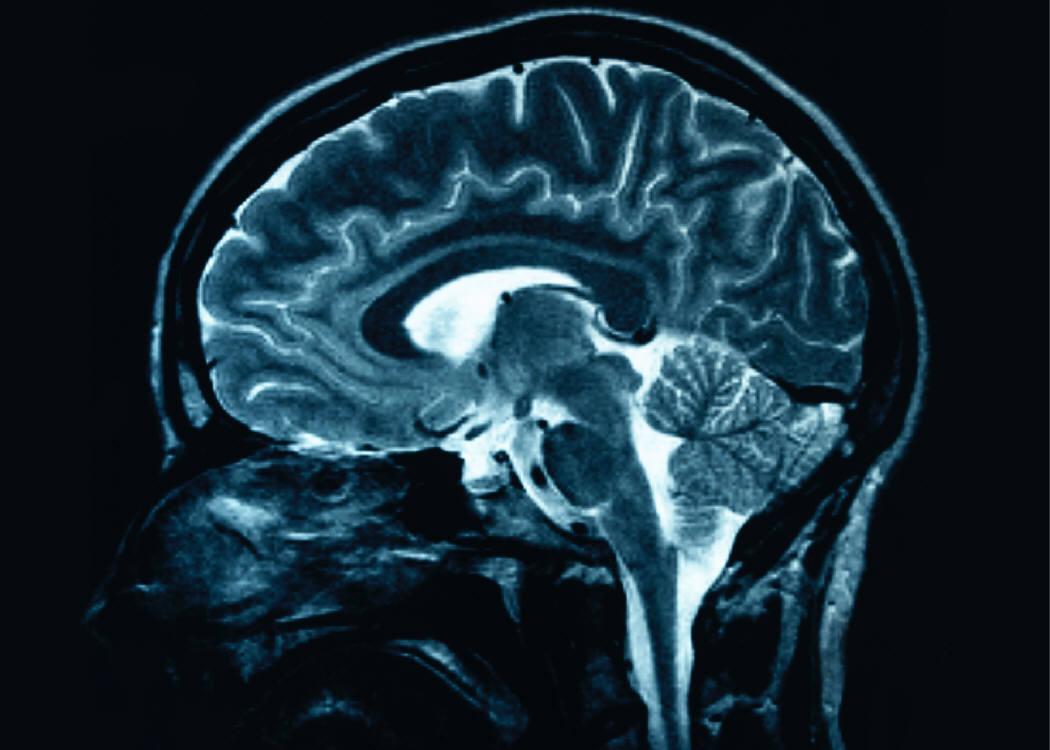
Measuring PTSD brain activity with magnetoencephalography
 Mental Health
Can Early Intervention Stop PTSD?
Post traumatic stress disorder symptoms may be reduced by early intervention programs
 Mental Health
Post-Traumatic Stress Relief
Scientists use calming drug to avoid the worst of PTSD
All information on this site is provided “as-is” for informational purposes only and is not a substitute for medical advice or treatment. You should consult with a medical professional if you have any questions about your health.