
Plantar Faciitis
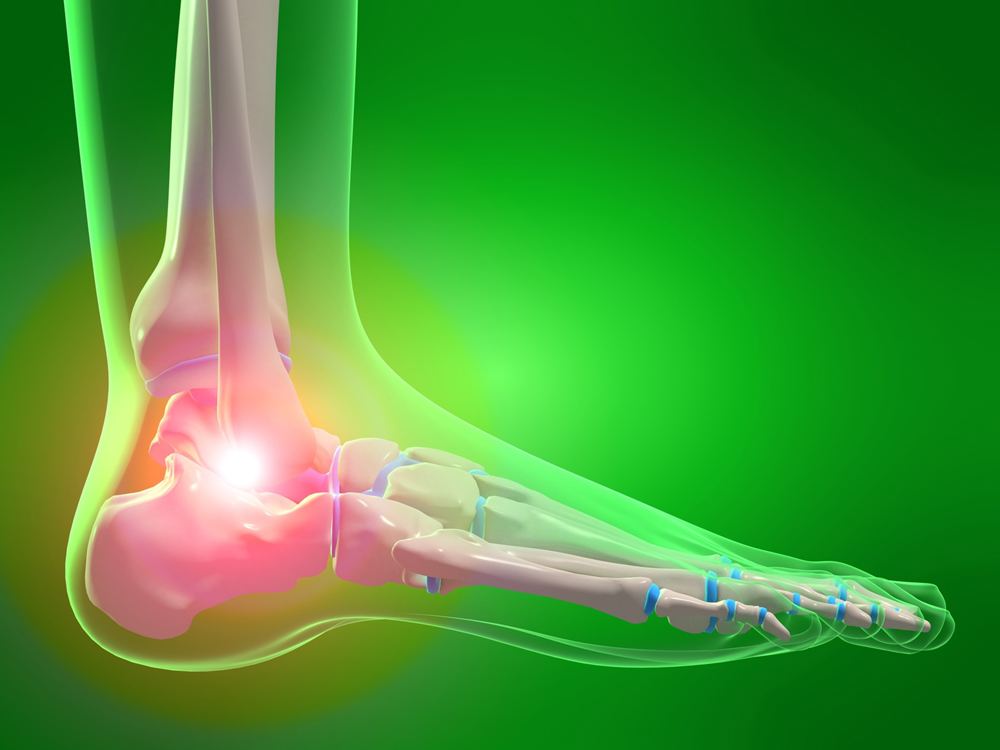
The plantar fascia is the thick tissue on the bottom of the foot that connects the heel bone to the toes, creating the arch of the foot.
MusculoskeletalOverview
The plantar fascia is the thick tissue on the bottom of the foot that connects the heel bone to the toes, creating the arch of the foot. When this tissue becomes swollen or inflamed, it is called plantar fasciitis.
Symptoms include dull or sharp heel pain, or achiness or burning pain at the bottom of the foot.
Plantar fasciitis is particularly common in runners. In addition, people who are overweight and those who wear shoes with inadequate support are at risk of plantar fasciitis.
Most patients feel better in 9 months with non-surgical treatments. However, some people need surgery to relieve the pain.
Symptoms
- The most common symptom is pain and stiffness in the bottom of the heel. The heel pain may be dull or sharp. The bottom of the foot may also ache or burn.
- Plantar faciitis pain often develops gradually, however, it can come on suddenly after intense activity.
- The pain is often worse in the morning or after standing or sitting for a while. Climbing stairs and other activities can also worsen pain.
Causes & risk factors
Plantar fasciitis occurs when the thick band of tissue on the bottom of the foot is overstretched or overused. This can be painful and make walking more difficult.
You are more likely to get plantar fasciitis if you:
- Have foot arch problems (both flat feet and high arches)
- Are a long-distance runner
- Are obese or you experience sudden weight gain
- Have a tight Achilles tendon (the tendon connecting the calf muscles to the heel)
- Wear shoes with poor arch support or soft soles
- Change your activities
Plantar fasciitis is seen in both men and women. However, it most often affects active men ages 40 - 70. It is one of the most common orthopedic foot complaints.
Plantar fasciitis was commonly thought to be caused by a heel spur. However, research has found that this is not the case. On x-ray, heel spurs are seen in people with and without plantar fasciitis.
When to get help
See your doctor if heel pain, especially with your first steps in the morning, lasts more than a few weeks or does not improve with rest, stretching, and supportive shoes.
Related health news
 Features
Happy Feet with Diabetes
Diabetic foot care and ulcer prevention
 Natural
Running Out of Control (of your joints)
New insights into when runners should stop running in order to avoid injury
 Health News
Poor Footwear Increases Pain in Gout Patients
Gout pain eased with supportive shoes
All information on this site is provided “as-is” for informational purposes only and is not a substitute for medical advice or treatment. You should consult with a medical professional if you have any questions about your health.