
Osteoporosis
Osteoporosis causes bones to become weak and brittle so that a fall or even mild stresses like bending or coughing can cause a fracture.
MusculoskeletalOverview
Osteoporosis causes bones to become weak and brittle so that a fall or even mild stresses like bending or coughing can cause a fracture. Osteoporosis-related fractures most commonly occur in the hip, wrist, or spine.
Bone is living tissue that is constantly being broken down and replaced. Osteoporosis occurs when the creation of new bone does not keep up with the removal of old bone.
Osteoporosis affects men and women of all races, but white and Asian women — especially older women who are past menopause — have the highest risk or developing this condition. Medications, a healthy diet, and weight-bearing exercise can help prevent bone loss and strengthen already weak bones.
Symptoms
- Osteoporosis is often called a silent disease because bone loss occurs without symptoms and people may not know that they have osteoporosis until their bones become so weak that a sudden strain, bump, or fall causes a hip to fracture or a vertebra to collapse. Collapsed vertebrae may initially be felt or seen in the form of severe back pain, loss of height, or spinal deformities such as kyphosis (severely stooped posture).
Causes & risk factors
Your bones are in a constant state of renewal: new bone is made and old bone is broken down. When you are young, your body makes new bone faster than it breaks down old bone and your bone mass increases. Most people reach their peak bone mass by their early 20s. As people age, bone mass is lost faster than it is created. Your likelihood of developing osteoporosis depends partly on how much bone mass you attained in your youth. The higher your peak bone mass, the more bone you have and the less likely you are to develop osteoporosis as you age.
Certain risk factors are linked to the development of osteoporosis and contribute to an individual’s likelihood of developing the disease. Many people with osteoporosis have several risk factors, but others who develop the disease have no known risk factors. Some risk factors cannot be changed, but you can change others.
Risk factors include:
- getting older
- being small and thin
- having a family history of osteoporosis
- taking certain medicines such as glucocorticoids and some anticonvulsants
- being a white or Asian woman
- having osteopenia (low bone density)
- consuming a diet low in calcium and vitamin D
- smoking cigarettes
- having an inactive or sedentary lifestyle
- consuming excessive amounts of alcohol
When to get help
Ask your doctor about a bone-density test if you are over 65, postmenopausal, or have broken a bone easily. Seek prompt care after any fall with pain, since fractures can occur with little force.
Related health news
 Health News
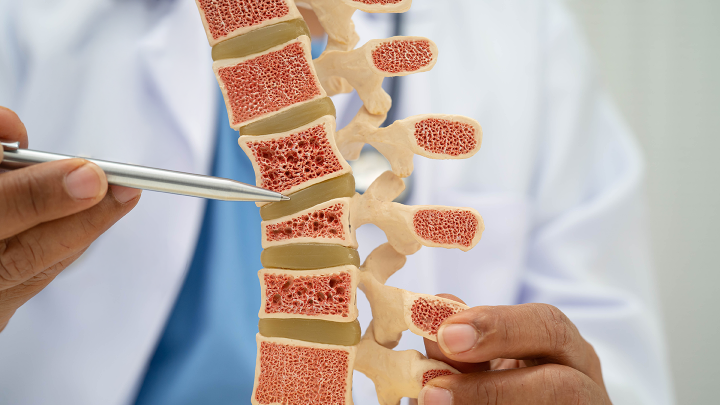
Osteoporosis and Bone Health: What You Should Know
Osteoporosis is a condition that causes bones to become weak and more likely to break.
 Prescription Drugs
The Truth About Men and Osteoporosis
Osteoporosis is not just a disease that affects women
 Features
Osteoporosis Strikes Before Middle Age
Osteoporosis affects both children and adolescents
All information on this site is provided “as-is” for informational purposes only and is not a substitute for medical advice or treatment. You should consult with a medical professional if you have any questions about your health.