
Osteoarthritis
Osteoarthritis (OA) is the most common form of arthritis, and it affects millions of people worldwide.
MusculoskeletalOverview
Osteoarthritis (OA) is the most common form of arthritis, and it affects millions of people worldwide.
OA breaks down the cartilage in your joints. Cartilage is the slippery tissue that covers the ends of bones in a joint. Healthy cartilage absorbs the shock of movement. When cartilage is damaged, bones rub together. Over time, this rubbing can permanently damage the joint.
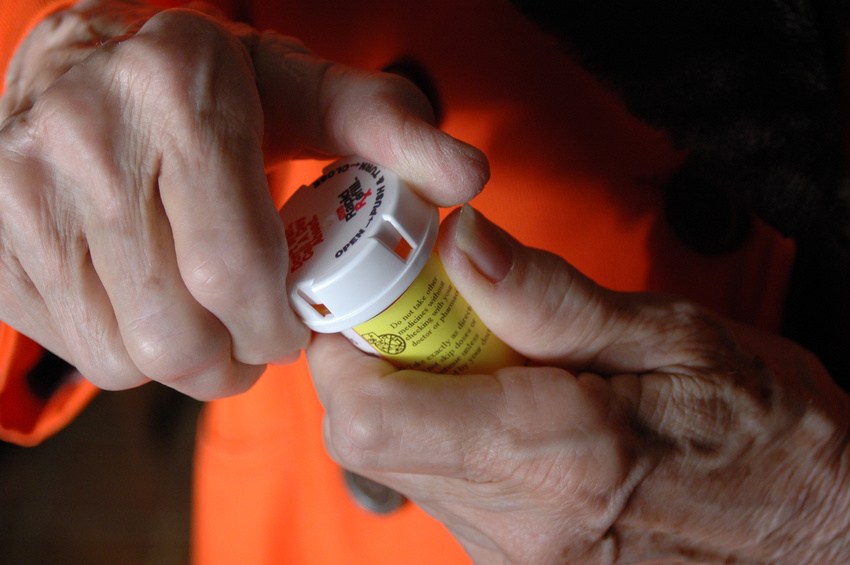
OA causes pain, swelling, and reduced motion in your joints. It can occur in any joint, but it usually affects the hands, knees, hips, or spine. OA symptoms gradually worsen over time, but staying active and maintaining a healthy weight can improve symptoms. Medicines and other treatments can slow the progression of OA. Risk factors for OA include being overweight, getting older, and injuring a joint.
Symptoms
- pain. Your joint may hurt during or after movement.
- tenderness. Your joint may feel tender when you apply light pressure to it.
- stiffness. Joint stiffness may be most noticeable when you wake up in the morning or after a period of inactivity.
- loss of flexibility. You may not be able to move your joint through its full range of motion.
- grating sensation. You may hear or feel a grating sensation when you use the joint.
- bone spurs. These extra bits of bone, which feel like hard lumps, may form around the affected joint.
Causes & risk factors
OA occurs when the cartilage that cushions the ends of bones in your joints gradually deteriorates. Cartilage is a firm, slippery tissue that permits nearly frictionless joint motion. In OA, the slick surface of the cartilage becomes rough. Eventually, if the cartilage wears down completely, you may be left with bone rubbing on bone.
OA usually happens gradually over time. Some risk factors that might lead to OA include:
- being overweight
- getting older
- joint injury
- joints that are not properly formed
- a genetic defect in joint cartilage
- stresses on the joints from certain jobs and playing sports
When to get help
See your doctor if joint pain or stiffness lasts more than a few weeks or limits daily activities. Your pharmacist can suggest options for relief, and weight management and activity help protect joints.
Related health news
 Features
Risky Business of Osteoarthritis
Osteoarthritis risk factors include age and obesity
 Mental Health
Study Links Osteoarthritis Pain to Mental Health
Sufferers with better mental health feel less pain
 Health News
Flat Feet and Your Knees
Researchers find an association between flat feet and knee osteoarthritis
All information on this site is provided “as-is” for informational purposes only and is not a substitute for medical advice or treatment. You should consult with a medical professional if you have any questions about your health.