
Non-polio enterovirus
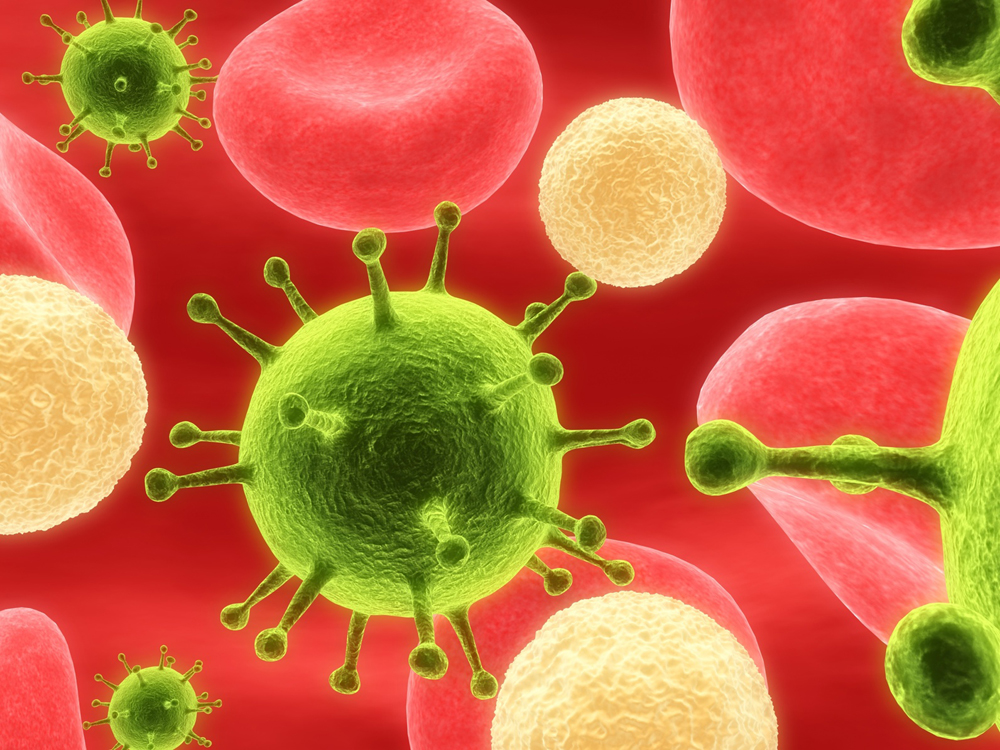
Non-polio enteroviruses are very common viruses in that they cause about 10 to 15 million infections in the United States each year.
Infectious diseaseOverview
Non-polio enteroviruses are very common viruses in that they cause about 10 to 15 million infections in the United States each year.
Enterovirus D68 (EV-D68) is one of many non-polio enteroviruses. This virus was first identified in California in 1962, but had not been commonly reported in the United States until the Fall of 2014.
Most people who get infected with non-polio enteroviruses do not get sick. Although anyone can get infected with non-polio enteroviruses, infants, children, and teenagers are more likely to get infected and become sick. This is because they do not yet have protection from previous exposures to the viruses. This holds true for Enterovirus D68 (EV-D68).
In the United States, the seasons that people are more likely to become infected with non-polio enteroviruses are the summer and fall.
Symptoms
- fever
- runny nose
- sneezing
- cough
- skin rash
- mouth blisters
- body and muscle aches
- difficulty breathing and wheezing in Enterovirus D68 (EV-D68) cases (A history of asthma or a history of wheezing may play a role in experiencing this particular symptom)
- viral conjunctivitis
- hand, foot, and mouth disease
- viral meningitis (infection of the covering of the spinal cord and/or brain)
Causes & risk factors
Non-polio enteroviruses are very common viruses that are transmitted by being in close contact, such as touching or shaking hands, with an infected person. Transmission can also occur by touching objects or surfaces that have the virus on them then touching your mouth, nose, or eyes.
Non-polio enteroviruses can be found in an infected person's:
- feces (stool)
- eyes, nose, and mouth secretions (such as saliva, nasal mucus, or sputum)
- blister fluid
Since EV-D68 causes respiratory illness, the virus can be found in an infected person’s respiratory secretions, such as saliva, nasal mucus, or sputum. EV-D68 likely spreads from person to person when an infected person coughs, sneezes, or touches contaminated surfaces.
You can also be exposed to enterovirus by:
- changing diapers of an infected person and then touching your mouth, nose, or eyes
- drinking water that has the virus in it
Another thing to note is that:
- Non-polio enterovirus can be passed from a person's body into the environment in your stool for several weeks or longer after you have been infected.
- The virus can be passed from a person's body from your respiratory tract for 1 to 3 weeks or less.
- Infected people can shed the virus even if they do not have symptoms.
When to get help
Most infections are mild and pass on their own. See a doctor for high fever, trouble breathing, severe headache or stiff neck, or weakness in the arms or legs, especially in young children or those with asthma.
Related health news
 Features
Catching Colds in the Summer Heat
Common cold in summer months caused by enteroviruses
 Health News
Something Like a Cold Leads to Diabetes
Researchers add strength to hypothesis that enteroviruses cause type 1 diabetes
 Health News
Polio-Like Condition Reported in US
Everything you need to know about acute flaccid myelitis
All information on this site is provided “as-is” for informational purposes only and is not a substitute for medical advice or treatment. You should consult with a medical professional if you have any questions about your health.