
Malaria
Malaria is a sometimes fatal disease that involves high fevers, shaking chills, flu-like symptoms, and anemia.
Infectious diseaseOverview
Malaria is a sometimes fatal disease that involves high fevers, shaking chills, flu-like symptoms, and anemia. It is caused by a parasite that commonly infects a certain type of mosquito which feeds on humans.
According to the CDC, approximately 1,500 cases of malaria are diagnosed in the United States each year, the majority of which are in travelers and immigrants returning from countries where malaria transmission occurs, many from sub-Saharan Africa and South Asia.
The disease is a major health problem in much of the tropics and subtropics, as the World Health Organization estimates that in 2010, 219 million clinical cases of malaria occurred, and 660,000 people died of malaria, most of them children in Africa.
Symptoms
- According to the World Health Organization (WHO), the first symptoms of malaria are fever, headache, chills and vomiting. These symptoms may be mild and difficult to recognize as malaria. If not treated within 24 hours, malaria can progress to severe illness often leading to death.
- The WHO states that children with severe malaria frequently develop one or more of the following symptoms: severe anaemia, respiratory distress in relation to metabolic acidosis, or cerebral malaria. In adults, multi-organ involvement is also frequent. In malaria endemic areas, persons may develop partial immunity, allowing asymptomatic infections to occur.
Causes & risk factors
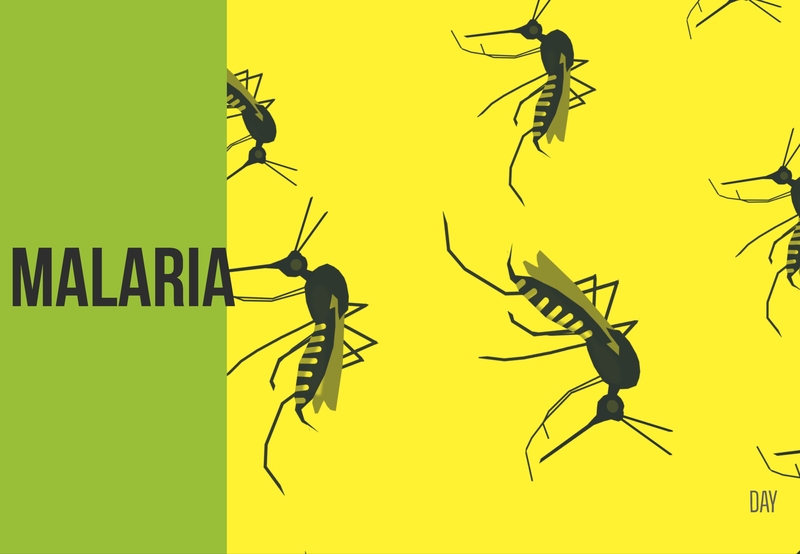
Malarial infection is passed from human to human by the bite of infected Anopheles mosquitoes. Malaria can also be transmitted from a mother to her unborn baby (congenitally) and by blood transfusions. After infection, the parasites (called sporozoites) travel through the bloodstream to the liver, where they mature and release another form, the merozoites. The parasites enter the bloodstream and infect red blood cells.
There are four types of plasmodium that cause malaria. These are called Plasmodium falciparum, Plasmodium vivax, Plasmodium ovale and Plasmodium malariae. Plasmodium falciparum is usually the most serious of the four.
The parasites multiply inside the red blood cells, which then break open within 48 to 72 hours, infecting more red blood cells. The first symptoms usually occur 10 days to 4 weeks after infection, though they can appear as early as 8 days or as long as a year after infection. The symptoms occur in cycles of 48 to 72 hours.
When to get help
Seek medical care promptly for fever, chills, headache, or flu-like illness after travel to a malaria area, and tell your doctor where you traveled. Untreated malaria can become life-threatening within 24 hours, so do not delay.
Related health news
 Health News
Malaria Rx Gets FDA Nod
FDA approves artesunate to treat severe malaria
 Health News
Math + Biology = World - Malaria
Upcoming workshop will use math to fight malaria
 Health News
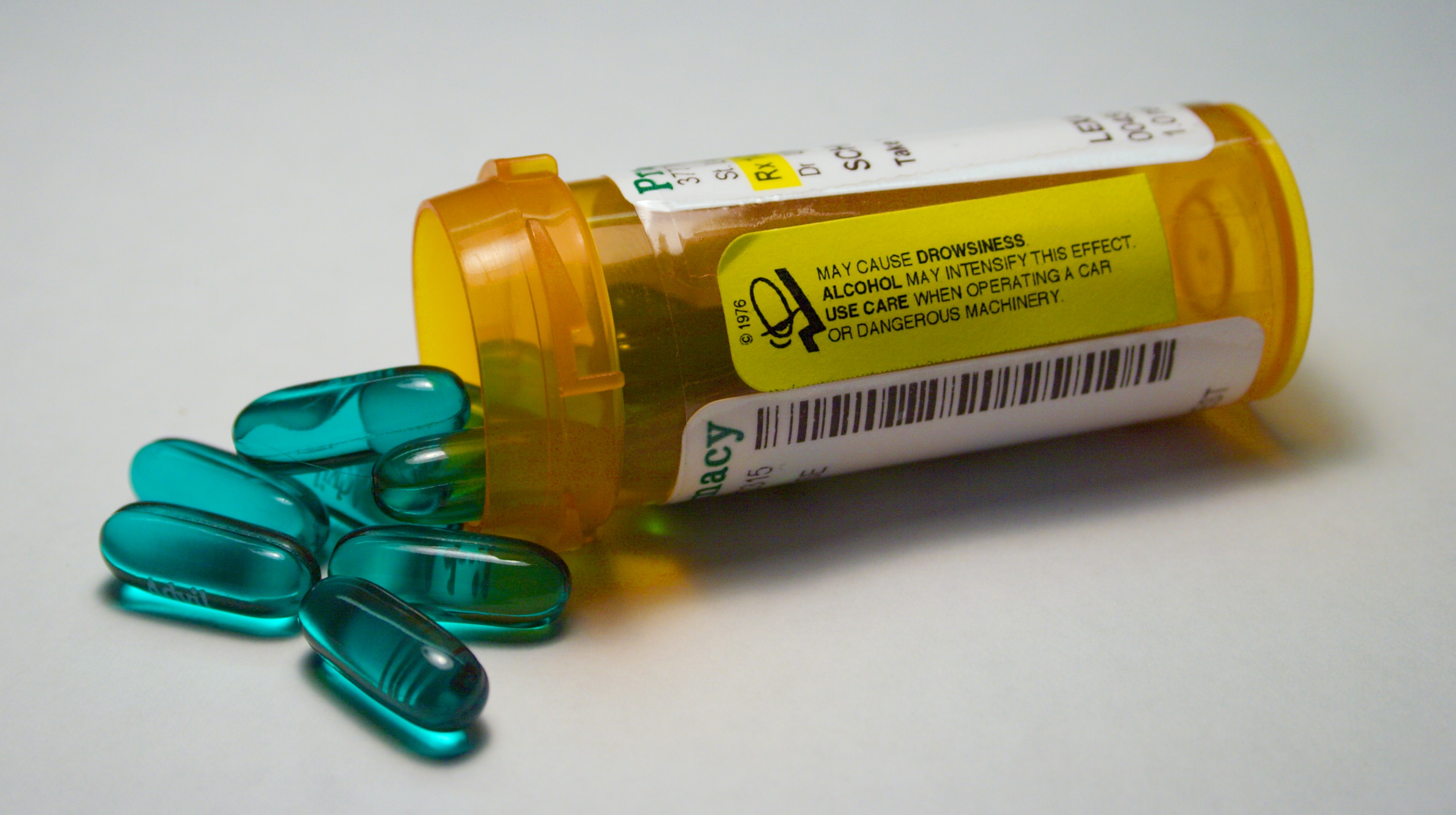
FDA Approves Label Changes for Antimalarial Drug Mefloquine Hydrochloride
Mefloquine label changed due to risk of psychiatric and nerve side effects
All information on this site is provided “as-is” for informational purposes only and is not a substitute for medical advice or treatment. You should consult with a medical professional if you have any questions about your health.