
Lyme Disease
Lyme disease is a bacterial infection passed to humans through the bite of infected deer ticks (also known as the blacklegged tick).
Infectious diseaseOverview
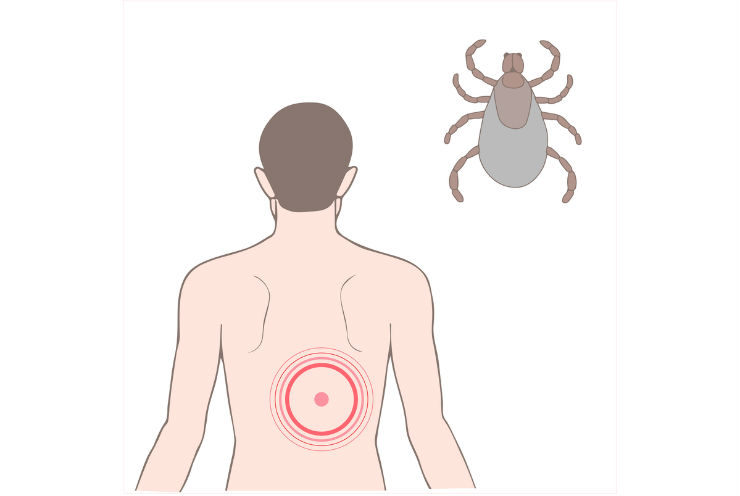
Lyme disease is a bacterial infection passed to humans through the bite of infected deer ticks (also known as the blacklegged tick). Symptoms may include fever, headache, fatigue, an a characteristic rash that may resemble a bullseye.
The infection was first reported in the U.S. in Old Lyme, Connecticut, in 1977. In the U.S., most Lyme disease infections occur in the Northeastern, North-central and West Coast states. The following states report the majority of infections: Wisconsin, Minnesota, northern California, and states ranging from Virginia to Maine. Lyme disease is the most common tickborne infection in both North America and Europe.
Lyme disease can be tricky to diagnose as tick bites can go unnoticed and many of the symptoms associated with Lyme disease are similar to those of the flu and other diseases.
Lyme disease can usually be effectively treated with antibiotics. If left untreated, the infection may spread to joints, the heart, and the nervous system.
Symptoms
- A fever
- A headache
- Muscle and joint aches
- A stiff neck
- Fatigue
Causes & risk factors
Lyme disease is caused by Borrelia burgdorferi (B. burgdorferi), a type of bacteria. Deer ticks, also called blacklegged ticks, carry the bacteria after biting mice or deer that are infected with B. burgdorferi.
When to get help
See your doctor for a fever, fatigue, or an expanding 'bull's-eye' rash after a possible tick bite. Early antibiotic treatment is very effective; later symptoms can include joint, heart, or nervous-system problems.
Related health news
 Health News
Tick Season Means Lyme Disease
Five ways you can prevent dangerous tick bites this summer
 Health News
A New Bacteria Is Spreading Lyme Disease
Borrelia mayonii implicated in Lyme disease spread among Midwestern patients
 Health News
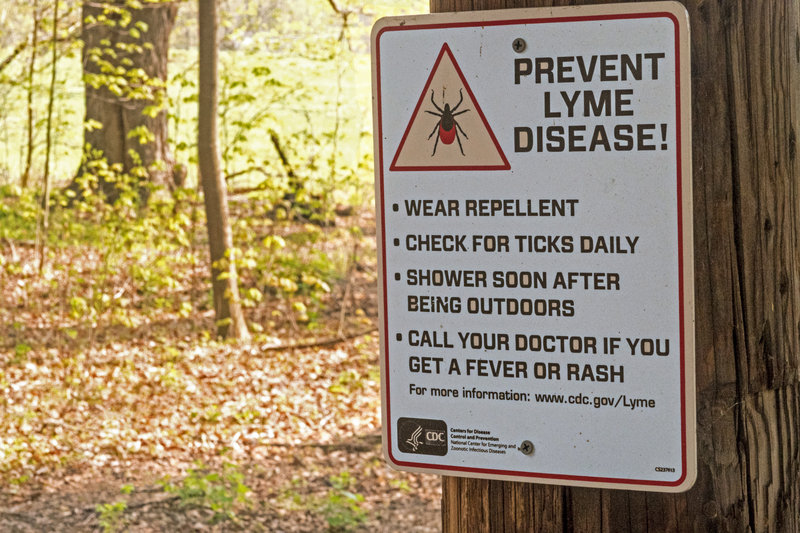
Preventing Lyme Disease
How to prevent the tick-borne illness Lyme disease
All information on this site is provided “as-is” for informational purposes only and is not a substitute for medical advice or treatment. You should consult with a medical professional if you have any questions about your health.