
Lice
Lice are tiny, wingless, parasitic insects that feed on human blood.
DermatologyOverview
Lice are tiny, wingless, parasitic insects that feed on human blood. Lice are easily spread through close personal contact and by sharing belongings. Dogs, cats, and other pets do not spread human lice. Lice move by crawling. They cannot hop or fly.
Several types of lice exist.
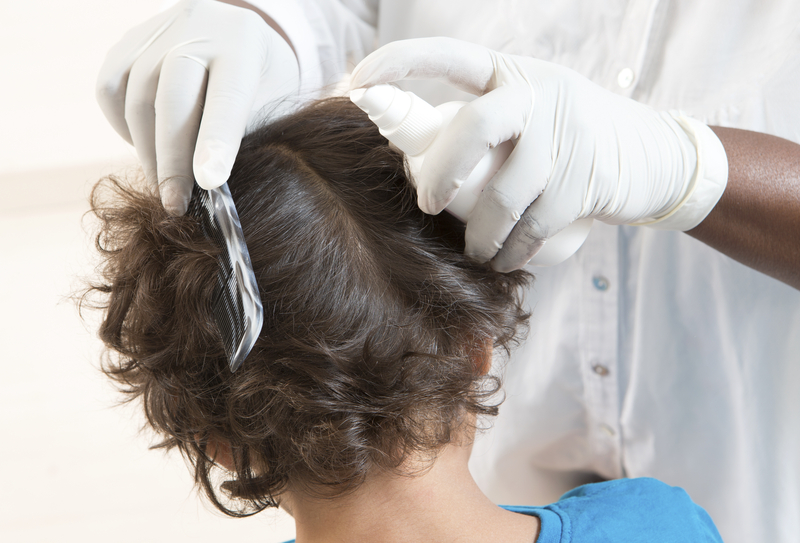
- Head lice. These lice live on your scalp. They are easiest to see at the nape of your neck and over your ears.
- Body lice. These lice live in clothing and on bedding and move onto your skin to feed. Body lice most often affect people who are not able to bathe or launder clothing regularly, such as homeless or transient individuals.
- Pubic lice. Commonly called crabs, these lice occur on the skin and hair of your pubic area and, less frequently, on coarse body hair, such as chest hair, eyebrows or eyelashes.
People with good personal hygiene habits can still get lice. Unless treated properly, this condition can become a recurring problem.
Both over-the-counter and prescription medicines are available for treating lice.
Symptoms
- intense itching
- tickling feeling from movement of hair.
- rash
- visible nits (lice eggs) or crawling lice
Causes & risk factors
You get lice by coming into contact with either lice or their eggs. Eggs hatch in about 1 week. Lice cannot fly or walk on the ground. They spread through several modes of contact.
- Head-to-head or body-to-body contact. This may occur as children or family members play or interact closely.
- Proximity of stored belongings. Storing infested clothing in closets, in lockers or on side-by-side hooks at school, or storing personal items such as pillows, blankets, combs and stuffed toys in proximity at home can permit lice to spread.
- Items shared among friends or family members. These may include clothing, headphones, brushes, combs, hair decorations, towels, blankets, pillows and stuffed toys.
- Contact with contaminated furniture. Lying on a bed or sitting in overstuffed, cloth-covered furniture recently used by someone with lice can spread them. Lice can live for one to two days off the body.
- Sexual contact. Pubic lice usually spread through sexual contact and most commonly affect adults.
When to get help
Lice are treated at home, but see your doctor or pharmacist if over-the-counter treatments do not work, the scalp becomes infected, or lice are near the eyes. They do not spread disease but need treatment to clear.
Related health news
Shedding Light on Lice
Lice risk for children may increase with the arrival of the school year
 Features
An Itchy Scratchy Headache
Lice prevention and control methods to block the spread in children
 Health News
Heads-Up: New Lice Rx Approved
FDA approves Xeglyze (abametapir) to treat head lice
All information on this site is provided “as-is” for informational purposes only and is not a substitute for medical advice or treatment. You should consult with a medical professional if you have any questions about your health.