
Indoor Allergies
Allergies are very common and affect millions of Americans.
Allergies & immune systemOverview
Allergies are very common and affect millions of Americans. Allergies occur when the body's immune system reacts to an allergen. The reaction is called “hypersensitivity” and causes the body to release inflammatory proteins into the body. Allergens are any foreign substance that triggers the body's immune system to react defensively.
Many people suffer year-round from allergy symptoms caused by indoor allergens, which include cigarette smoke, dust mite droppings, animal dander, cockroach droppings, and molds. The allergens are inhaled through the nose and travel to the lungs, causing allergic reactions.
Symptoms of an allergy or hypersensitivity reaction range from mild irritations such as sneezing, coughing, skin irritations, and a runny nose to more serious reactions such as indigestion, vomiting, and diarrhea. In some cases, an extreme, life-threatening reaction called anaphylaxis can occur in response to allergens; anaphylaxis can cause a patient's airway to swell and close, which prevents the person from breathing.
There is no specific cause of allergies. Family history, genetics, and environmental exposure to allergens all contribute to the risk of developing allergies.
Allergies cannot be completely cured, but there are treatments available to regulate them and actions that can be taken to prevent further reactions. The first step is to avoid triggers or allergens that make symptoms worse. Prescription and non-prescriptions medications, including antihistamines, can be used to treat indoor allergies.
Symptoms
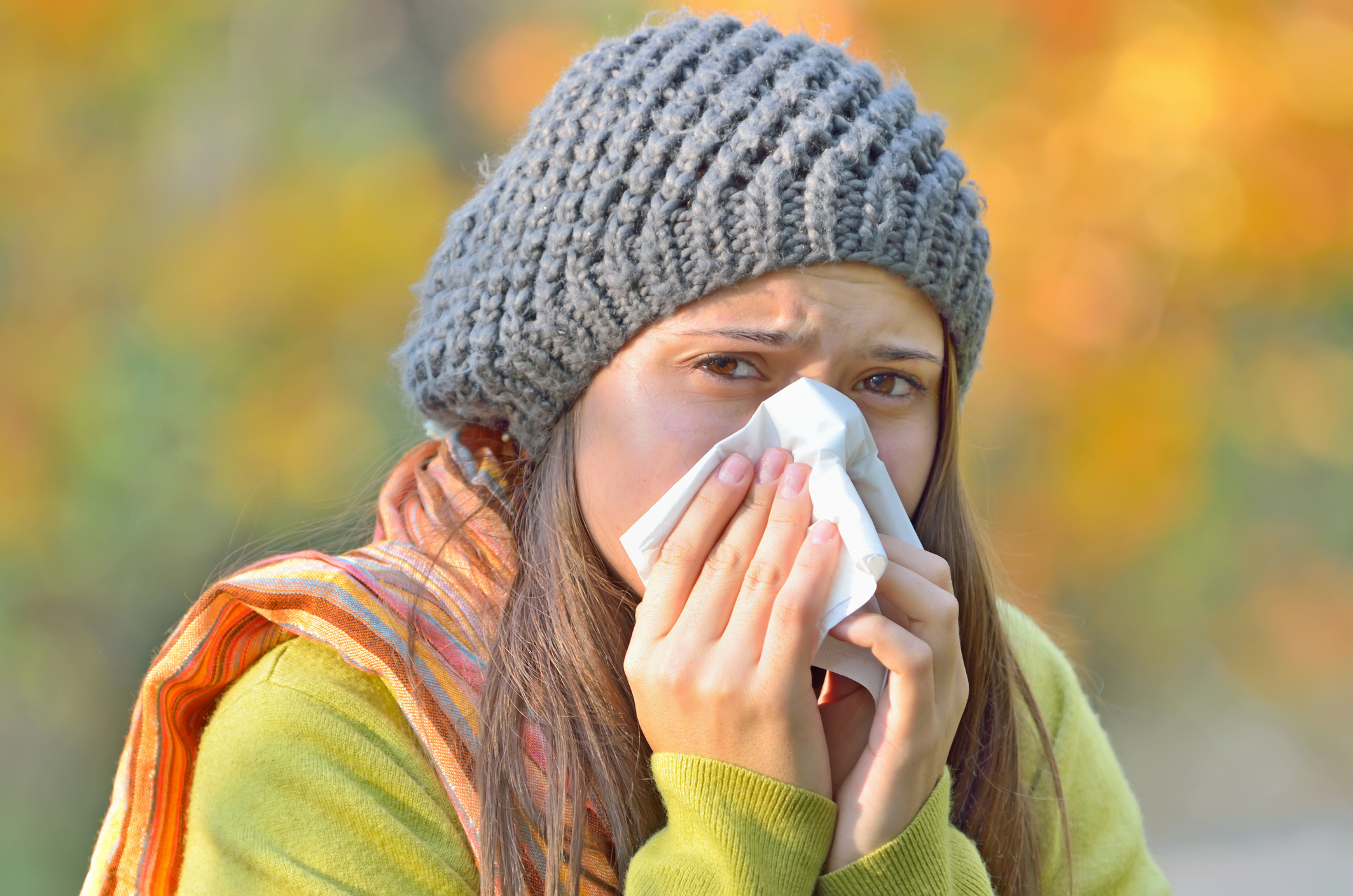
- Symptoms of indoor allergies depend on the allergen, but usually affect the airways, sinuses, and nasal passages. Reactions usually cause symptoms such as sneezing, stuffiness, a runny nose, or itchiness in your nose, the roof of your mouth, throat, eyes or ears.
Causes & risk factors
Allergies and hypersensitivity reactions are caused when the body's immune system has a reaction that causes the body to release inflammatory proteins. Since immune systems vary from person to person, allergies and allergic reactions differ greatly with each individual.
An allergy starts when your immune system mistakes a normally harmless substance for a dangerous substance. The immune system then produces antibodies that remain on the alert for that particular allergen. When you are exposed to the allergen again, these antibodies can release a number of immune system chemicals, such as histamine, that cause allergy symptoms.
The cause of allergies is largely unknown and it is difficult to predict who will develop allergies to particular substances. You are more likely to develop allergies if you:
- have a family history of asthma or allergies
- are a child
- have asthma or other allergies
When to get help
See your doctor or pharmacist if sneezing, congestion, or itchy eyes and nose interfere with daily life or are not controlled by over-the-counter medicines. Allergy testing can identify triggers to avoid.
Related health news
 Health News
Coping with Winter Allergies
You can fight winter allergies with these 10 steps
 Health News
Winter Tips for the Indoor-Allergy Sufferer
Tips to avoid indoor allergies for the winter
 Features
How to Cope with Winter Allergies
Winter allergy triggers, tips and treatment explained
All information on this site is provided “as-is” for informational purposes only and is not a substitute for medical advice or treatment. You should consult with a medical professional if you have any questions about your health.