
Hemolytic Anemia
Anemia is a condition in which the body does not have enough healthy red blood cells to provide oxygen to body tissues.
Blood disordersOverview
Anemia is a condition in which the body does not have enough healthy red blood cells to provide oxygen to body tissues. Normal red blood cells have a lifespan of about 120 days.
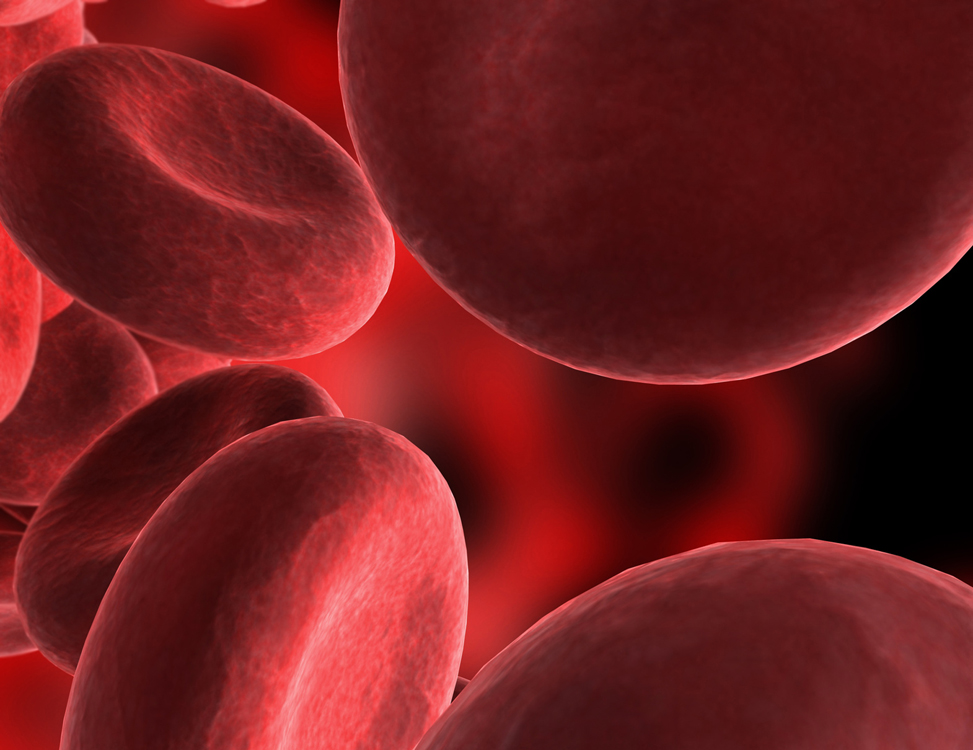
Hemolytic anemia is a disorder in which the red blood cells are destroyed faster than the bone marrow can produce them. The term for destruction of red blood cells is hemolysis. Hemolysis may be due to a defect within the red blood cells themselves, or in some cases, red blood cells are produced healthy, but are later destroyed by other factors.
Symptoms
- Pale skin and lips
- Jaundice (yellowing of the skin, eyes, and mouth)
- Dark-colored urine
- Fever
- Weakness
- Dizziness
- Mental Confusion
- Intolerance to physical activity
- Faster than normal heart rate
Causes & risk factors
Many diseases, conditions, and factors can cause early destruction of red blood cells, including:
- Inherited (genetic) defects in red cells including sickle cell anemia, thalassemia, and G6PD deficiency
- The Immune system develops antibodies against red blood cells which causes them to break down prematurely.
- Exposure to certain chemicals
- Certain medicines can bind to red blood cell surfaces and can cause antibodies to develop. Other medicines cause hemolytic anemia in other ways.
- Infections (hepatitis, cytomegalovirus (CMV), Epstein-Barr virus (EBV), and others)
- Blood clots in small blood vessels
- Blood transfusion or medication-related reactions
- Enlarged spleen
- Tumors
- Leukemia
- Lymphoma
- Autoimmune disorders such as systemic lupus erythematous (SLE), rheumatoid arthritis, others
When to get help
See your doctor for pale skin, jaundice, dark urine, fatigue, or shortness of breath. Seek urgent care for chest pain, fainting, a very rapid heartbeat, or severe shortness of breath.
Related health news
 Features
The Many Faces of Anemia
Anemia is a common blood disorder that comes in many forms
 Health News
Math That's Actually Useful
Mathematical model may predict risk of anemia
 Clinical Trials
Drug May Aid Patients With Rare Anemia
Eltrombopag shows benefit in patients with aplastic anemia
All information on this site is provided “as-is” for informational purposes only and is not a substitute for medical advice or treatment. You should consult with a medical professional if you have any questions about your health.