
Gout
Gout is a complex form of arthritis.
MusculoskeletalOverview
Gout is a complex form of arthritis. It is characterized by sudden, severe attacks of pain, redness and tenderness in joints, often the joint at the base of the big toe.
Gout can affect anyone, but men are more likely than women to be affected.
Gout happens when uric acid builds up in your body. Uric acid comes from the breakdown of substances called purines. Purines occurs naturally in your body and it is found in foods such as liver, dried beans and peas, and anchovies. Uric acid normally dissolves in the blood and passes out of the body in urine. Sometimes, uric acid can build up and form needle-like crystals. When these crystals form in your joints, it is very painful. The crystals can also cause kidney stones.
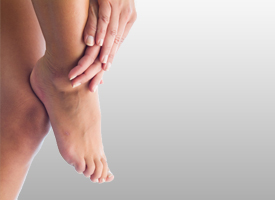
Often, gout first attacks your big toe. It can also attack ankles, heels, knees, wrists, fingers, and elbows. At first, gout attacks usually get better in days. Eventually, attacks last longer and happen more often.
An attack of gout can occur suddenly, often waking you up in the middle of the night with the sensation that your big toe is on fire. The affected joint is hot, swollen and so tender that even the weight of the sheet on it may seem intolerable.
Gout is classified as acute or chronic. Acute gout often affects only one joint, and chronic gout involves repeat episodes of pain and inflammation and more than one joint may be affected.
Fortunately, gout is treatable, and there are ways to reduce the risk that gout will recur.
Symptoms
- Gout causes pain, swelling, redness, heat, and stiffness in joints.
- In acute gout, one or a small number of joints are affected, usually the big toe, knee, or ankle joints. The pain starts suddenly, often during the night. Pain is often described as throbbing, crushing, or excruciating. The joint appears warm and red and it is usually very tender and swollen. The symptoms may be accompanied by a fever. The attack may go away in a few days, but it may return from time to time. Future attacks often last longer and affect more joints.
- Most people will have no symptoms after a first gout attack, but they are likely to have another attack in the next 6-12 months.
- Some people may develop chronic gout. This is also called gouty arthritis. This condition can lead to joint damage and loss of motion in the joints. People with chronic gout will have joint pain and other symptoms most of the time.
- Tophi are lumps below the skin around joints or other places such as the finger tips and ears. Tophi can develop after a person has had gout for many years. These lumps may drain chalky material.
Causes & risk factors
Gout occurs when urate crystals accumulate in your joints, causing the inflammation and intense pain of a gout attack. Urate crystals can form when you have high levels of uric acid in your blood.
Your body produces uric acid when it breaks down purines — substances that are found naturally in your body, as well as in certain foods, such as steak, organ meats, and seafood. Other foods also promote higher levels of uric acid, such as alcoholic beverages, especially beer, and drinks sweetened with fruit sugar (fructose).
Normally, uric acid dissolves in your blood and passes through your kidneys into your urine. However, sometimes your body either produces too much uric acid or your kidneys excrete too little uric acid. When this happens, uric acid can build up, forming sharp, needle-like urate crystals in a joint or surrounding tissue that cause pain, inflammation and swelling.
The exact cause is unknown. Gout may run in families. The problem is more common in men, in women after menopause, and people who drink alcohol. A gout attack can be brought on by stressful events, alcohol or drugs, or another illness.
You are more likely to have gout if you:
- Have family members with the disease
- Are a man
- Are overweight
- Drink too much alcohol
- Eat too many foods rich in purines
- Have an enzyme defect that makes it hard for the body to break down purines
- Are exposed to lead in the environment
- Have had an organ transplant
- Use some medicines such as diuretics such as hydrochlorothiazide, aspirin, cyclosporine, or levodopa
- Take the vitamin niacin
Gout may also develop in people with:
- Diabetes
- Kidney disease
- Obesity
- Sickle cell anemia and other anemias
- Leukemia and other blood cancers
When to get help
See your doctor for sudden, severe joint pain, redness, and swelling, often in the big toe. Seek urgent care if a joint is hot and swollen with fever, which can signal a joint infection rather than gout.
Related health news
 Features
Breaking Free of Gout
Lifestyle changes can make gout manageable
 Prescription Drugs
Can't Stub Your Big Toe While Sleeping - Can You?
Gout is a form of arthritis that often shows up in the big toe first
 Features
The Disease of Kings and Anybody Else
The ins and outs of gout
All information on this site is provided “as-is” for informational purposes only and is not a substitute for medical advice or treatment. You should consult with a medical professional if you have any questions about your health.